How Long To Cook Jumbo Potatoes In Oven Step By Step
Cooking jumbo potatoes in the oven takes about 60 to 90 minutes at 400°F, depending on size and whether you wrap them in foil. This guide walks you through every step to get perfectly baked, fluffy inside, and crispy-skinned jumbo potatoes. You will learn prep tips, ideal oven settings, and how to tell when they are done.
Key Takeaways
- Cook Time: Jumbo potatoes need 60 to 90 minutes at 400°F for even baking.
- Size Matters: Larger potatoes take longer, so adjust your cooking time accordingly.
- Foil vs. No Foil: Wrapping in foil steams the potato; leaving it unwrapped gives crispier skin.
- Prep Is Key: Washing, poking holes, and oiling the skin all improve results.
- Internal Temp: A fork-tender potato reaches 210°F internally when fully done.
- Resting Time: Let potatoes sit for 5 to 10 minutes after baking for the best texture.
- Oven Rack Position: Place potatoes on the middle rack for even heat distribution.
📑 Table of Contents
- Understanding Jumbo Potatoes and Oven Baking
- How to Prep Jumbo Potatoes for the Oven
- The Perfect Oven Temperature and Time Settings
- Step-by-Step Instructions to Cook Jumbo Potatoes
- Tips for Crispy Skin and Perfect Results
- How to Know When Your Potatoes Are Done and Common Mistakes
- Serving Suggestions and Flavor Variations
- Conclusion
Understanding Jumbo Potatoes and Oven Baking
There is something deeply satisfying about pulling a perfectly baked potato out of the oven. The crispy skin, the fluffy interior, and the endless topping options make oven-baked potatoes a staple in kitchens everywhere. But when you are working with jumbo potatoes, things get a little different from your average spud.
Jumbo potatoes are typically larger than 3 inches in diameter. They can weigh anywhere from 8 to 16 ounces or even more. Because of their size, they require more cooking time than standard potatoes. Many home cooks underestimate this, which leads to unevenly cooked results. Understanding how your oven handles these big potatoes is the first step toward perfect baking potatoes every single time.
The oven temperature you choose plays a huge role in the final outcome. Too low, and your potato will take forever. Too high, and the outside burns before the inside cooks through. Most experts agree that 400°F is the sweet spot for oven roasted potatoes. This temperature allows the outside to crisp up nicely while giving the inside plenty of time to become soft and fluffy. If you prefer a softer skin, you can drop the temperature slightly to 375°F, but expect a longer bake.
Another important factor is your oven’s accuracy. Many home ovens run hotter or cooler than what the dial says. Investing in an oven thermometer can make a real difference. A simple $10 tool can tell you whether your oven is actually at 400°F or running 25 degrees off. This small adjustment can shave minutes off your cooking time and improve consistency.
Why Potato Size Affects Cooking Time
Not all jumbo potatoes are created equal. Some are round and compact, while others are elongated and irregularly shaped. The shape and density of the potato affect how heat moves through it. A round russet potato of the same weight as an oblong one may bake faster because heat penetrates more evenly.
Here is a simple breakdown of how size impacts your bake:
- Small potatoes (under 5 oz): 30 to 40 minutes at 400°F
- Medium potatoes (5 to 8 oz): 45 to 60 minutes at 400°F
- Large potatoes (8 to 12 oz): 55 to 75 minutes at 400°F
- Jumbo potatoes (12 oz and up): 65 to 90 minutes at 400°F
As you can see, jumbo potatoes sit at the top end of the scale. Always plan for the longer side of the range, especially if your potatoes are on the heavier side. Cutting a large potato in half can reduce cooking time significantly, but many people prefer whole baked potatoes for presentation and texture.
How to Prep Jumbo Potatoes for the Oven
Proper preparation sets the stage for a perfect bake. Skipping this step might still give you an edible potato, but it will not give you the kind of crispy, flavorful skin that makes oven-baked potatoes truly special.
Wash and Scrub Thoroughly
Start by rinsing each potato under cold running water. Use a vegetable brush to scrub away any dirt from the potato skin. Jumbo potatoes often have thicker skin and more surface area, so take your time. Even if you plan to peel the potato, washing it first prevents dirt from getting trapped under the foil or on the baking sheet.
Dry Them Completely
This step is easy to overlook but incredibly important. Pat each potato dry with a clean towel. Moisture on the surface can create steam, which prevents the skin from crisping up. Dry potatoes also season better, since salt and oil stick more evenly to a slightly tacky surface.
Poke Holes for Steam Release
Use a fork and poke 8 to 12 holes into each potato. This allows steam to escape during baking and prevents the potato from bursting in the oven. It might seem like a small detail, but it makes a big difference in both safety and texture. Jumbo potatoes hold more moisture inside, so they are more likely to explode if you skip this step.
Oil and Season the Skin
Drizzle a small amount of olive oil or melted butter over each potato. Rub it in with your hands so the entire surface gets coated. Then sprinkle generously with kosher salt. You can also add garlic powder, paprika, or black pepper at this stage for extra flavor. The oil helps conduct heat to the skin, which is what creates that satisfying crispy potato skin.
Wrap or Leave Unwrapped?
This is one of the most debated questions in potato recipe circles. Wrapping in aluminum foil traps moisture and steams the potato from the inside out. This method produces a softer skin and slightly faster cook time. However, many people feel that foil-wrapped potatoes lack the crispy, golden exterior that makes a great baked potato.
Leaving the potato unwrapped allows the skin to dry out and crisp up. This method takes a few extra minutes but delivers far better texture. If you want the best of both worlds, try a light oil coating and no foil. Your jumbo baked potatoes will thank you.
The Perfect Oven Temperature and Time Settings
Getting the oven temperature right is the single most important factor in how long to cook jumbo potatoes in the oven. Let us break down the most common approaches and what you can expect from each.
Standard Method: 400°F
Baking at 400°F is the go-to method for most home cooks. At this temperature, a jumbo potato typically takes between 60 and 90 minutes to cook through. The higher heat encourages the skin to crisp while the interior steams and becomes fluffy. This is the method I recommend for most situations because it balances speed and quality.
If you are baking multiple potatoes at once, add 10 to 15 minutes to the estimated time. The potatoes block airflow around each other, which slows down the cooking time. Use a baking sheet or oven-safe rack to keep them elevated and allow hot air to circulate evenly.
Low and Slow Method: 350°F
Some cooks prefer a lower temperature for a longer, gentler bake. At 350°F, jumbo potatoes can take 90 to 120 minutes. This method is less likely to overcook the edges while waiting for the center to done. However, the skin will not crisp up as much, and the overall texture tends to be more uniform and soft.
This approach works well if you are baking potatoes alongside other dishes that need a lower oven temperature. It also gives you more flexibility with timing since the potatoes are less likely to overcook if you run a few minutes over.
High Heat Method: 425°F to 450°F
For the crisps skin possible, try a higher temperature. At 425°F or above, the skin caramelizes faster and develops a deeper flavor. Jumbo potatoes at this temperature will take about 50 to 75 minutes. The trade-off is that the outside can brown too quickly before the inside is fully cooked.
To avoid this, start the potatoes at 425°F for the first 30 minutes, then reduce to 400°F for the remainder. This two-stage approach gives you a crispy exterior and a perfectly fluffy interior. It is a favorite among oven roasted potato enthusiasts.
Quick Reference Table: Cooking Times by Method
| Method | Temperature | Cook Time (Jumbo) | Skin Texture |
|---|---|---|---|
| Standard | 400°F | 60 to 90 minutes | Moderately crispy |
| Low and Slow | 350°F | 90 to 120 minutes | Soft |
| High Heat | 425°F to 450°F | 50 to 75 minutes | Very crispy |
| Two-Stage | 425°F then 400°F | 55 to 80 minutes | Extra crispy |
Step-by-Step Instructions to Cook Jumbo Potatoes
Now that you understand the basics, here is a detailed walkthrough of the entire process. Follow these steps for consistently excellent jumbo baked potatoes.
Step 1: Choose the Right Potatoes
Select jumbo potatoes that are firm, smooth, and free of green spots or sprouts. Russet potatoes are the best choice for baking because their thick skin and starchy interior create the ideal fluffy texture. Avoid waxy varieties like red or yellow potatoes, as they tend to stay dense even when fully cooked.
Step 2: Preheat Your Oven
Set your oven to 400°F and let it fully preheat before the potatoes go in. Preheating ensures the potatoes start cooking immediately at the right temperature. A good rule of thumb is to preheat for at least 15 to 20 minutes. Use an oven thermometer to confirm the actual temperature inside.
Step 3: Prep the Potatoes
Wash, dry, and poke holes in each potato. Rub with oil and season with salt and any other desired spices. Place the potatoes on a baking sheet lined with parchment paper or a lightly greased rack. Space them at least 1 inch apart so air can flow around each one.
Step 4: Place in the Oven
Put the baking sheet on the middle oven rack. This position provides the most even heat distribution. If you are baking more than four jumbo potatoes, consider using two racks and rotating the sheets halfway through cooking.
Step 5: Set a Timer
Set a kitchen timer for 60 minutes to start. Do not rely on your sense of smell or guessing. A timer takes the guesswork out of cooking time and helps you build a routine. At the 60-minute mark, check the potatoes by gently squeezing the sides. They should feel soft and give slightly.
Step 6: Test for Doneness
The best way to test a jumbo potato is to insert a fork or thin skewer into the center. It should slide in with zero resistance. The potato should feel completely fork tender from end to end. If there is any resistance, keep baking and check every 10 minutes.
Step 7: Rest and Serve
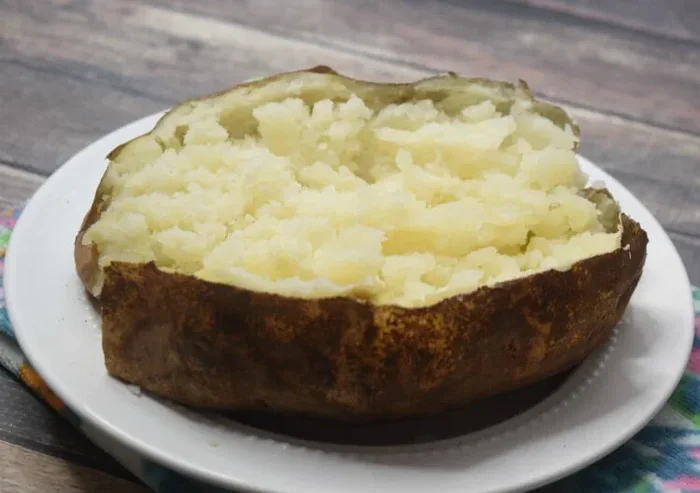
Once done, remove the potatoes from the oven and let them rest for 5 to 10 minutes. This allows the internal steam to redistribute, which creates a fluffier texture. Cut a cross into the top of each potato, press the ends inward to open it up, and load it with your favorite toppings.
Tips for Crispy Skin and Perfect Results
Getting the perfect crispy potato skin on a jumbo potato is both an art and a science. Here are some proven tips that separate good baked potatoes from great ones.
Use a Wire Rack Instead of a Baking Sheet
Placing potatoes directly on a baking sheet traps moisture underneath, which softens the skin. A wire rack allows air to circulate all around the potato, resulting in more even crisping. If you do not have a rack, you can place a small wire cooling rack on top of your baking sheet.
Do Not Skip the Oil
Olive oil or melted butter creates a thin barrier that helps the skin dehydrate during baking. This dehydration is what leads to crispiness. Without oil, the skin can turn out tough and leathery instead of crunchy and golden.
Salt Early, Salt Well
Apply salt before the potatoes go in the oven. The salt draws out moisture during baking, which helps the skin dry out and crisp up. Use kosher salt for the best adhesion and flavor. You can always add a light sprinkle of finishing salt right after they come out of the oven.
Avoid Wrapping in Foil for Crispy Skin
If your goal is crispy skin, skip the aluminum foil. Foil creates a sealed environment that traps steam. Steam is the enemy of crispiness. The potato essentially boils in its own moisture, which gives you soft, pale skin. For the best results, bake unwrapped.
Rotate the Potatoes Halfway Through
Ovens often have hot spots that can cause uneven browning. About halfway through the cooking time, rotate the baking sheet 180 degrees. This simple move ensures all sides of the potato get equal exposure to heat.
Let Them Cool Slightly Before Cutting
It is tempting to cut into a hot potato right away, but waiting a few minutes makes a noticeable difference. The potato firms up slightly, making it easier to handle and cut. The inside also settles into a fluffier consistency. Use a knife or your hands to gently open the top cross and fluff the inside with a fork.
How to Know When Your Potatoes Are Done and Common Mistakes
Knowing when a jumbo potato is fully done can be tricky, especially when you are new to oven baking. Here are the clearest signs of doneness and the most common mistakes to avoid.
Signs Your Potato Is Done
A fully baked jumbo potato will show several telltale signs. The skin will be wrinkled and slightly darker than when it went in. The potato will feel soft when you squeeze it gently with an oven mitt. Most importantly, a fork or skewer should slide into the center with absolutely no resistance.
Using a meat thermometer is the most precise method. Insert it into the center of the potato and look for a reading of 210°F. This is the ideal internal temperature for a fully baked baking potato. Anything below 200°F means it needs more time.
Common Mistakes to Avoid
- Not preheating the oven: Putting potatoes in a cold oven extends cooking time and leads to uneven results.
- Skipping the poke holes: Steam builds up inside the potato and can cause it to burst, creating a mess in your oven.
- Overcrowding the pan: Packing too many potatoes together blocks airflow and creates soggy spots.
- Using the wrong potato type: Waxy potatoes do not bake as well as starchy russets for a fluffy interior.
- Cutting too early: Cutting the potato immediately after baking releases all the steam, leaving you with a dense, wet interior instead of a fluffy one.
- Ignoring potato size: Treating all jumbo potatoes the same can lead to some being undercooked and others overcooked.
How to Fix an Undercooked Potato
If you discover your jumbo potato is undercooked, do not throw it away. Simply return it to the oven for another 10 to 15 minutes. You can also microwave it for 2 to 3 minutes to finish cooking the center, then pop it back in the oven for a few minutes to re-crisp the skin. This two-step approach saves time and prevents waste.
How to Reheat Leftover Baked Potatoes
Leftover baked potatoes reheat best in the oven at 350°F for about 15 to 20 minutes. The microwave can make the skin soggy, so the oven is always the preferred method. Wrap the potato loosely in aluminum foil to retain moisture during reheating. Remove the foil for the last 5 minutes if you want to restore some crispiness to the skin.
Serving Suggestions and Flavor Variations
Once you have mastered the basic jumbo baked potato, it is time to get creative with toppings and flavors. A perfectly baked potato is a blank canvas for almost any flavor profile you can imagine.
Classic Toppings
- Butter, sour cream, and shredded cheddar cheese
- Bacon bits, chives, and a dollop of Greek yogurt
- Steak sauce and melted butter with a sprinkle of parsley
- Steamed broccoli, cheese sauce, and a side of ham
Creative Flavor Variations
- Loaded baked potato: Top with pulled pork, BBQ sauce, and diced scallions
- Mediterranean style: Use olive oil, feta cheese, sun-dried tomatoes, and olives
- Buffalo potato: Drizzle with hot sauce and melted blue cheese
- Herb roasted: Toss with rosemary, thyme, and garlic before baking
Experimenting with different toppings and seasoning blends is one of the best parts of making oven roasted potatoes at home. Once you get comfortable with the basic method, you can tailor every bake to match your mood or the meal you are serving alongside it.
Conclusion
Learning how long to cook jumbo potatoes in the oven is simpler than most people think. With the right oven temperature, proper prep, and a little patience, you can achieve restaurant-quality jumbo baked potatoes in your own kitchen. Remember that the standard cooking time ranges from 60 to 90 minutes at 400°F, but always let the potato tell you when it is done rather than relying solely on the clock.
Whether you prefer crispy skin or a soft, steamed interior, the tips and techniques in this guide give you full control over the outcome. Prep your russet potatoes carefully, choose your preferred baking method, and trust the process. With a little practice, how long to cook jumbo potatoes in the oven will become second nature, and you will never go back to microwave potatoes again.
So next time you are planning a meal that needs a hearty, comforting side dish, pull out those jumbo potatoes, preheat your oven, and give them the time they deserve. The result will be worth every minute of waiting.
Frequently Asked Questions
Can I cook jumbo potatoes at 350°F instead of 400°F?
Yes, you can. At 350°F, your jumbo potatoes will take longer, usually 90 to 120 minutes. The lower temperature produces a softer skin and a more evenly cooked interior. It is a great option if you want a gentler bake or are cooking potatoes alongside other dishes at a lower temperature.
Do I need to wrap jumbo potatoes in foil?
No, wrapping in aluminum foil is optional. Foil traps steam and creates a softer skin, while leaving potatoes unwrapped produces a crispy exterior. For the best texture and flavor, most experts recommend baking jumbo potatoes unwrapped with a light coating of oil.
How do I know when a jumbo potato is fully cooked?
The easiest test is to insert a fork into the center. If it slides in with no resistance, the potato is fork tender and ready. You can also use a meat thermometer and look for an internal temperature of 210°F. The skin should feel wrinkled and the potato should give slightly when squeezed.
Can I bake jumbo potatoes ahead of time?
Yes, you can bake them ahead and reheat them later. To keep them warm for serving, hold them in a turned-off oven with the door slightly cracked for up to an hour. For reheating, place them in a 350°F oven for 15 to 20 minutes wrapped loosely in foil. Avoid microwaving if you want to preserve the crispy skin.
Why did my jumbo potato burst in the oven?
Potatoes burst when steam builds up inside and has nowhere to escape. This usually happens when you skip the step of poking holes with a fork. Always poke 8 to 12 holes into each jumbo potato before baking. Also, avoid wrapping them tightly in foil, which can trap excess steam and cause bursting.
What is the best type of potato for oven baking?
Russet potatoes are the best choice for oven baking. Their thick skin and high starch content create a fluffy, light interior and a satisfyingly crispy exterior. Jumbo russet potatoes work especially well because they hold their shape during the long cooking time and provide a generous portion for hearty meals.