How To Bake Frozen Cod Fish In The Oven With Crispy Skin
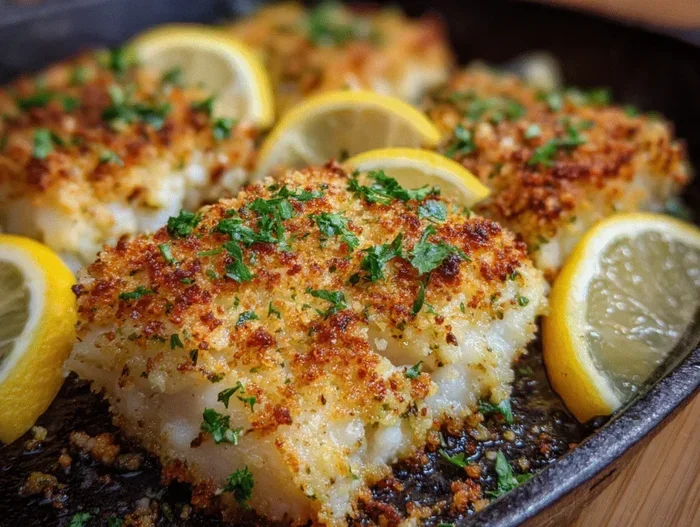
Baking frozen cod fish in the oven is one of the simplest and most delicious ways to prepare a healthy meal at home. With the right temperature, seasoning, and technique, you can achieve perfectly crispy skin and tender, flaky flesh every single time. This guide walks you through every step, from prep to plating, so you can cook frozen cod like a pro.
There is something truly satisfying about pulling a beautiful piece of fish out of the oven. The aroma fills the kitchen, the edges are golden, and the skin is perfectly crispy. If you have ever wondered how to bake frozen cod fish in the oven with crispy skin, you are in the right place.
This guide is designed for home cooks of all levels. Whether you are a beginner or a seasoned chef, you will find practical tips and clear instructions here. We will cover everything from preparation to seasoning to serving. By the end, you will feel confident enough to make this dish tonight.
Frozen cod is one of the most affordable and nutritious proteins you can keep in your freezer. It is high in protein, rich in omega-3 fatty acids, and incredibly versatile. The best part? You do not need to thaw it before baking. With the right approach, frozen cod comes out just as delicious as fresh fish, if not better.
Key Takeaways
- Start with frozen cod fillets: You do not need to thaw them first for the best results.
- Pat the fish dry: Removing surface moisture is the key to crispy skin.
- Bake at 400°F to 425°F: This temperature range cooks cod evenly and promotes browning.
- Season simply but well: Olive oil, salt, pepper, and garlic go a long way.
- Avoid overcooking: Cod is done when it flakes easily with a fork, usually 15 to 20 minutes.
- Let it rest after baking: This keeps the fish juicy and tender.
- Pair with easy sides: Roasted vegetables, rice, or a fresh salad complement baked cod perfectly.
📑 Table of Contents
- Why Baking Frozen Cod Is a Smart Choice
- How to Prepare Frozen Cod for the Oven
- The Best Oven Temperature and Timing for Cod
- How to Get Perfectly Crispy Skin on Frozen Cod
- Seasoning Ideas and Flavor Variations for Baked Cod
- Common Mistakes to Avoid When Baking Frozen Cod
- Best Ways to Serve Baked Frozen Cod
- Conclusion
Why Baking Frozen Cod Is a Smart Choice
Baking frozen cod in the oven is one of the easiest weeknight dinners you can make. There are many reasons why this method works so well. Let us look at why you should consider making this your go-to fish recipe.
Convenience and Time Savings
Frozen cod fillets are always ready to cook. You do not need to plan ahead or wait for the fish to defrost. When you get home from a long day, all you need to do is preheat the oven, season the fish, and pop it in. In about 20 minutes, you have a complete meal on the table.
This is a huge advantage over fresh fish, which often requires careful timing and planning. With frozen cod, you can cook it any time of the week without stress. It removes the guesswork from dinner preparation entirely.
Nutritional Benefits of Cod Fish
Cod is a lean white fish that is packed with nutrition. A single serving provides a significant amount of protein while being low in fat and calories. It is also an excellent source of vitamin B12, selenium, and phosphorus.
Omega-3 fatty acids, which are found in cod, support heart health, brain function, and reduce inflammation. Baking is one of the healthiest cooking methods because it does not require added oils or fats. Combined with frozen cod, this makes for a meal that is both wholesome and satisfying.
Cost-Effective Protein
Buying frozen cod in bulk is one of the smartest grocery strategies. Frozen fillets are often much cheaper than fresh fish at the store. They also last for months in the freezer, so you always have a healthy protein option ready to go.
When you cook frozen cod at home, you skip the markup that comes with restaurant-prepared fish or pre-packaged seafood. You control the ingredients, the seasoning, and the quality. It is a win for your wallet and your health.
How to Prepare Frozen Cod for the Oven
Proper preparation is the secret to great baked cod. Even though frozen cod is forgiving, a few simple steps make a big difference in the final result. Here is exactly what you need to do before the fish goes into the oven.
Do You Need to Thaw Frozen Cod?
The short answer is no. You can bake frozen cod directly from the freezer. In fact, cooking cod from frozen often gives you better results because the ice crystals on the surface help create that crispy texture when the fish hits the hot oven.
If you prefer to thaw the fish first, place the fillets in the refrigerator overnight. Never use warm water or the microwave to defrost cod, as this can make the flesh mushy and ruin the texture. But for the best crispy skin, baking from frozen is the way to go.
Patting the Fish Dry
This is the single most important step in the entire process. Before you season the cod, take it out of the freezer and pat it thoroughly dry with paper towels. Moisture is the enemy of crispy skin. The drier the surface of the fish, the crispier it will become in the oven.
Press firmly with several layers of paper towels. You may need to blot both sides multiple times. If there is any visible ice or frost on the fillet, pat that away first and then continue drying. This small extra step transforms your baked cod from good to outstanding.
Scoring the Skin
If your frozen cod fillets have skin on, consider making a few shallow slits in the skin before baking. Use a sharp knife and make cuts about a quarter-inch apart. This helps heat penetrate evenly and prevents the skin from curling up during cooking.
Scoring also allows seasoning to reach the flesh more effectively. You will get more flavor in every bite, and the skin crisps up more uniformly. It is a simple technique that professional cooks use all the time.
The Best Oven Temperature and Timing for Cod
Getting the temperature and timing right is essential for perfectly baked frozen cod. Too hot and the outside burns before the inside cooks. Too cool and the fish dries out. Let us look at the ideal settings for oven-baked cod.
Recommended Oven Temperature
Preheat your oven to 425°F for the best results. This high temperature cooks the cod quickly while creating a beautiful golden crust on the skin. If you prefer a slightly gentler cook, 400°F also works well, but you may need to add a few extra minutes.
Avoid going below 400°F when baking frozen cod. Lower temperatures cause the fish to steam rather than roast, which leads to soggy skin and a mushy texture. The high heat is what gives you that satisfying crispness you are looking for.
How Long to Bake Frozen Cod
Thick fillets need about 20 to 25 minutes at 425°F. Thinner fillets cook faster, usually around 12 to 15 minutes. The exact time depends on the thickness of the cod and whether it is skin-on or skinless.
Here is a simple guide for frozen cod fillets at 425°F:
- Thin fillets (less than half-inch thick): 12 to 15 minutes
- Medium fillets (half-inch to three-quarter inch): 15 to 20 minutes
- Thick fillets (one inch or more): 20 to 25 minutes
Always check for doneness by inserting a fork into the thickest part of the fillet. The fish should flake easily and appear opaque throughout. If it still looks translucent in the center, give it a few more minutes.
Using a Baking Sheet and Parchment Paper
Line your baking sheet with parchment paper before placing the cod on it. This prevents sticking and makes cleanup a breeze. You can also use a light coating of olive oil on the parchment for extra insurance against sticking.
Place the fillets skin-side down if you want crispy skin on the bottom, or skin-side up if you prefer the skin to act as a protective layer during cooking. Both methods work, but skin-side down tends to give a crispier result because the skin is in direct contact with the hot pan.
How to Get Perfectly Crispy Skin on Frozen Cod
Crispy skin is what elevates a simple baked cod fillet into a restaurant-quality dish. Getting that perfect crunch takes a little know-how, but the technique is simple once you understand the basics.
Why Skin Matters
Cod skin is naturally rich in collagen, which crisps up beautifully when exposed to high heat. It also acts as a natural barrier that keeps the delicate flesh moist during baking. Leaving the skin on is one of the best decisions you can make when cooking frozen cod.
Many people remove the skin before baking, but this is a missed opportunity. The skin adds flavor, texture, and protection. Once you learn how to cook it properly, you will never want to peel it off again.
The Secret to Crispy Skin
The key to crispy cod skin is dryness and high heat. After patting the fillets dry, let them sit at room temperature for about 10 minutes before baking. This helps the surface dry out even more and brings the fish closer to the oven temperature gradually.
Brush a very thin layer of oil on the skin side before seasoning. Too much oil will make the skin greasy rather than crispy. A light drizzle is all you need. The oil helps conduct heat evenly and promotes browning.
Place the fillets skin-side down on a preheated baking sheet. The hot pan immediately starts crisping the skin from the moment it touches the surface. Do not move the fish during the first 10 minutes of baking. Let it cook undisturbed so the skin can set and crisp up properly.
Checking for Doneness Without Overcooking
Overcooking is the number one enemy of crispy skin. When cod stays in the oven too long, the skin becomes tough and leathery instead of crispy. Check the fish a few minutes before the recommended time is up.
The flesh should be opaque and flake gently when pressed with a fork. If you are unsure, use an instant-read thermometer. Cod is done when the internal temperature reaches 145°F. Remove it from the oven right away and let it rest on the pan for a few minutes. The residual heat continues to cook the fish gently without drying it out.
Seasoning Ideas and Flavor Variations for Baked Cod
One of the best things about baked cod is how adaptable it is to different flavors. A simple seasoning brings out the natural sweetness of the fish, but you can also get creative with bold and adventurous flavors. Here are some ideas to try.
The Classic Simple Seasoning
Sometimes less is more. For a classic baked cod, drizzle the fillets with extra virgin olive oil and sprinkle with sea salt, freshly cracked black pepper, and minced garlic. Add a squeeze of fresh lemon juice right before serving. This combination lets the natural flavor of the cod shine through.
This simple approach works beautifully because cod has a mild, slightly sweet flavor that pairs well with almost anything. You do not need complicated spices or exotic ingredients. Just good olive oil, salt, and a little lemon juice is enough to make delicious oven-baked cod.
Herb-Forward Flavor Profiles
Fresh herbs transform baked cod into something special. Try a mixture of chopped dill, parsley, and chives sprinkled over the top before baking. Dill is a traditional pairing with cod and adds a bright, fresh flavor that complements the fish perfectly.
You can also make a herb butter by mixing softened butter with chopped fresh thyme and rosemary. Spread a small amount on each fillet before baking. The butter melts into the fish as it cooks, adding richness and depth of flavor. This method works especially well with thicker fillets.
Spicy and Smoky Variations
If you like a little heat, smoked paprika and cayenne pepper make a fantastic seasoning blend for baked cod. Mix them with olive oil, garlic powder, and a pinch of brown sugar for a sweet and spicy glaze.
Another option is to use Cajun seasoning or Old Bay seasoning for a bold, Southern-inspired flavor. These spice blends are widely available and add complexity without any extra effort. Simply sprinkle them over the oiled fillets and bake as usual.
Asian-Inspired Baked Cod
For something different, try an Asian-inspired marinade. Mix soy sauce, sesame oil, rice vinegar, and a touch of honey. Brush this mixture onto the cod before baking and sprinkle with sesame seeds and sliced green onions after cooking.
This flavor profile pairs wonderfully with the mild taste of cod. The umami from the soy sauce and the nuttiness of sesame oil create a depth of flavor that makes this dish feel restaurant-worthy. Serve it over steamed rice for a complete meal.
Common Mistakes to Avoid When Baking Frozen Cod
Even with the best intentions, it is easy to make mistakes when baking frozen cod. Knowing what to avoid helps you achieve better results every time. Here are the most common errors and how to prevent them.
Not Drying the Fish Enough
This is the mistake most people make. If the surface of the cod is wet when it goes into the oven, the skin will steam instead of crisp. Always pat the fillets thoroughly dry with paper towels. You cannot skip this step if you want crispy skin.
Overcrowding the Baking Sheet
Give each fillet enough space on the baking sheet. When pieces are too close together, the steam gets trapped and prevents proper crisping. Arrange the fillets in a single layer with at least an inch of space between them.
If you need to bake more fillets than fit on one sheet, use two sheets and rotate them halfway through cooking. This ensures even browning and prevents soggy skin.
Cooking the Fish Too Long
Cod is a delicate fish that dries out quickly when overcooked. Set a timer and check the fish a few minutes before the recommended cooking time is up. Once the fish flakes easily with a fork, it is done. Leaving it in the oven for an extra five minutes can turn tender cod into dry, rubbery fish.
Skipping the Rest Time
After removing the cod from the oven, let it rest for three to five minutes before serving. This allows the juices to redistribute throughout the fillet. Cutting into the fish immediately causes the moisture to escape, leaving you with drier results.
Best Ways to Serve Baked Frozen Cod
A great meal is about more than just the main dish. The right sides complement baked cod and turn it into a complete, satisfying dinner. Here are some of the best serving ideas.
Roasted Vegetables
Roasted vegetables are a natural pairing for baked cod. Try roasting broccoli, asparagus, cherry tomatoes, or zucchini on a separate sheet pan at the same temperature. The vegetables roast alongside the fish, saving you time and dishes.
Toss the vegetables with olive oil, salt, and pepper before roasting. They will be golden and tender by the time the cod is done. A squeeze of lemon over everything ties the whole meal together beautifully.
Rice and Grains
Fluffy white rice, brown rice, or quinoa make excellent bases for baked cod. The mild grain absorbs the juices from the fish and soaks up any sauce or seasoning. For extra flavor, cook the rice in broth instead of water.
You can also serve cod over couscous or cauliflower rice for a lighter option. These grains cook quickly and pair well with the delicate flavor of cod fish.
Fresh Salads and Slaws
A bright, crunchy salad adds contrast to the warm, tender cod. Try a simple mixed greens salad with a lemon vinaigrette, or a cabbage slaw with apple cider vinegar and a touch of honey.
The acidity and crunch of a fresh salad balance the richness of the baked fish perfectly. It is an easy way to add more vegetables to your meal without any extra cooking.
Sauces and Toppings
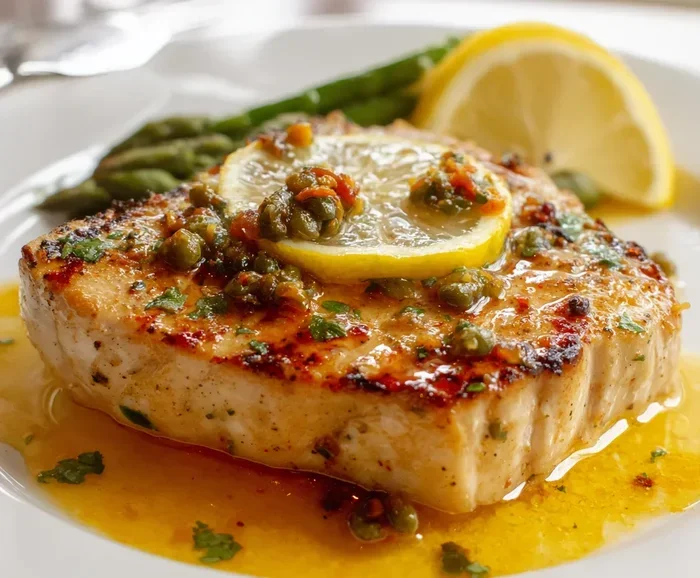
A simple sauce can take baked cod to the next level. Tartar sauce, lemon butter sauce, or a garlic aioli all work wonderfully. For something lighter, a dollop of Greek yogurt with fresh dill and a squeeze of lemon adds brightness without heaviness.
Top the finished fillet with a few fresh herbs or a sprinkle of toasted breadcrumbs for extra texture. These small finishing touches make the dish feel polished and restaurant-quality.
Conclusion
Learning how to bake frozen cod fish in the oven with crispy skin is one of the most useful kitchen skills you can develop. It is simple, fast, and produces restaurant-quality results with minimal effort. From preparation to seasoning to serving, every step is designed to be easy and approachable.
Remember to pat the fish dry, use high heat, and avoid overcooking. These three tips alone will transform your frozen cod into a dish you will be proud to serve. Experiment with different seasonings and sides to keep the recipe fresh and exciting.
Whether you are cooking for yourself, your family, or guests, baked frozen cod is a reliable and delicious choice. Keep frozen fillets on hand, and you will always have a healthy, flavorful meal ready in under 30 minutes. Give it a try tonight, and you will see just how easy and rewarding it can be.
Frequently Asked Questions
Can I bake frozen cod without thawing it first?
Yes, you can bake frozen cod directly from the freezer without thawing. In fact, baking from frozen often produces better results because the surface moisture helps create a crispy skin. Simply pat the fillets dry, season them, and bake at 425°F for 15 to 25 minutes depending on thickness.
What is the best temperature to bake frozen cod?
The best temperature to bake frozen cod is 425°F. This high heat cooks the fish quickly and promotes crispy skin. If you prefer a gentler cook, 400°F works well too, but you may need to add a few extra minutes to the cooking time.
How do I know when baked cod is done?
Cod is done when it flakes easily with a fork and appears opaque throughout. The internal temperature should reach 145°F. Check the fish a few minutes before the recommended cooking time to avoid overcooking, which can make the fish dry and tough.
Can I get crispy skin on frozen cod without a lot of oil?
Yes, you can. The key to crispy skin is drying the fish thoroughly and using very little oil. A light brush of oil on the skin side is enough. Make sure your oven is fully preheated and place the fillets skin-side down on a hot baking sheet for the best results.
What are the best seasonings for baked frozen cod?
Simple seasonings like olive oil, salt, pepper, and garlic work beautifully for baked cod. You can also try fresh herbs like dill, parsley, or thyme. For bolder flavors, smoked paprika, cayenne pepper, or an Asian-inspired soy sauce and sesame oil blend add great variety.
How long can I keep baked cod in the refrigerator?
Leftover baked cod can be stored in an airtight container in the refrigerator for up to three days. Reheat gently in the oven at 300°F to keep the fish moist. Avoid microwaving, which can make the cod rubbery and dry out the crispy skin.