How To Brown Salmon In Oven For Crispy Perfect Results
Learning how to brown salmon in oven is easier than you think. This guide walks you through every step, from choosing the right fillet to pulling it out at the perfect moment. You will discover the exact temperatures, timing, and seasoning tricks that turn ordinary salmon into a crispy, golden masterpiece.
There is something truly magical about how to brown salmon in oven at home. The aroma alone can fill an entire kitchen with warmth and excitement. Whether you are a weeknight dinner hero or a weekend cooking enthusiast, mastering this technique will change the way you prepare fish forever.
Many people fear cooking salmon because it seems tricky. One moment it is perfectly pink, and the next, it is dry and overcooked. But here is the secret: browning salmon in the oven is actually one of the simplest and most reliable methods you can use. With the right temperature, a few quality ingredients, and a little patience, you will achieve restaurant-quality results without any fuss.
This guide covers everything you need to know. You will learn the best equipment, the ideal oven settings, and the common pitfalls that trip up even experienced home cooks. By the end, you will feel confident enough to brown salmon in oven like a seasoned chef. Let us dive in.
Key Takeaways
- High heat is your best friend: Baking salmon at 425°F to 450°F creates that beautiful golden-brown crust quickly.
- Pat the salmon dry first: Removing moisture is the single most important step for achieving crispy skin.
- Timing matters enormously: Most salmon fillets need only 12 to 15 minutes in a hot oven.
- Season simply for best results: Olive oil, salt, pepper, and lemon let the natural flavor shine.
- Use a wire rack or parchment paper: These tools promote even browning and prevent sticking.
- Rest the salmon before serving: Letting it sit for a few minutes keeps the juices locked in.
📑 Table of Contents
- Why Oven-Browned Salmon Deserves a Spot in Your Kitchen
- What You Will Need: Ingredients and Tools
- Step-by-Step Guide to Browning Salmon in the Oven
- Temperature and Timing: The Science Behind Crispy Salmon
- Common Mistakes That Ruin Crispy Salmon
- Flavor Variations and Serving Ideas
- Key Takeaways
- Conclusion
Why Oven-Browned Salmon Deserves a Spot in Your Kitchen
If you have ever had crispy-skinned salmon at a nice restaurant, you know how addictive it can be. The contrast between the crunchy exterior and the buttery, tender inside is simply unbeatable. The good news is that you can recreate this magic right in your own kitchen.
Oven-browned salmon fillets are incredibly versatile. You can serve them for a quick Tuesday dinner, a Sunday family meal, or an elegant dinner party. They pair beautifully with almost any side dish and work for all seasons of the year. Once you nail the technique, you will never go back to dry, bland fish again.
The Science Behind Browning Salmon
When you expose salmon skin to high heat, something wonderful happens. The moisture on the surface evaporates quickly, allowing the skin to crisp up. This process is called the Maillard reaction, and it is the same chemistry that makes roasted vegetables, seared steaks, and baked bread so delicious. How to brown salmon in oven works because the dry, intense heat of an oven mimics what a hot pan does on the stovetop.
Oven-browning also gives you more control. Unlike stovetop cooking where you need to flip and monitor constantly, the oven does the work for you. You can set a timer, prep a side dish, and relax while the salmon bakes to perfection. This hands-off approach makes it ideal for busy weeknights or entertaining guests.
Crispy salmon skin is not just about looks. It adds a satisfying texture that elevates the entire eating experience. The skin becomes crunchy and slightly salty, while the flesh stays moist and flaky. This contrast is what makes oven-browned salmon so special compared to other cooking methods.
What You Will Need: Ingredients and Tools
Before you start, gather everything you need. Having your ingredients and tools ready makes the whole process smoother and more enjoyable.
Essential Ingredients for Perfect Salmon
The beauty of oven-browned salmon lies in its simplicity. You do not need a long grocery list. Here are the core ingredients you should have on hand:
- Fresh salmon fillets with the skin on — skin-on fillets crisp up beautifully and protect the delicate flesh underneath
- Olive oil — a light coating helps the seasoning stick and promotes even browning
- Kosher salt — it draws out a tiny bit of moisture, which aids in crisping the skin
- Freshly ground black pepper — adds a gentle heat that complements the rich fish
- Lemon — fresh lemon juice or zest brightens the flavor and cuts through the richness
- Garlic powder or fresh garlic — optional, but it adds a wonderful savory depth
- Fresh herbs like dill, thyme, or rosemary — these elevate the dish from simple to stunning
When choosing salmon, look for fillets with a bright, vibrant color and a clean ocean smell. Avoid any fillets that look dull or have a strong fishy odor. Fresh skin-on salmon is the best choice for achieving that perfect golden crust in the oven.
Must-Have Equipment
You do not need fancy gadgets to brown salmon in oven. A few basic kitchen tools will get the job done beautifully:
- Baking sheet — a rimmed sheet pan works best for catching any oil or juices
- Parchment paper or a silicone baking mat — these prevent the salmon from sticking and make cleanup a breeze
- A wire cooling rack — placing salmon on a rack over the baking sheet allows hot air to circulate underneath, which helps the skin crisp evenly
- Paper towels — you will use these to pat the salmon dry, which is a critical step
- An instant-read thermometer — this takes the guesswork out of knowing when your salmon is done
A rimmed baking sheet is essential because it prevents any oil or juices from spilling into your oven. The parchment paper or silicone mat is a small investment that pays off big time in easy cleanup. And the wire rack is a game-changer for even browning — it is the secret tool that many home cooks overlook.
Step-by-Step Guide to Browning Salmon in the Oven
Now for the part you have been waiting for. Here is the complete process for achieving perfectly browned, crispy salmon every single time.
Step One: Prep the Salmon
Remove the salmon fillets from the refrigerator about 15 minutes before cooking. Letting them come to room temperature helps them cook more evenly. While you wait, preheat your oven to 425°F (220°C). This is the sweet spot for oven-browned salmon — hot enough to crisp the skin, but not so hot that it burns before the inside cooks through.
Take a few paper towels and pat the salmon fillets dry on both sides. This is the most important step in the entire process. Moisture is the enemy of crispy skin. The wetter the surface, the more steam gets trapped, and steam will never give you that golden, crunchy finish you are after. Do not skip this step, no matter how eager you are to get the salmon in the oven.
Step Two: Season with Intention
Place the dried salmon fillets skin-side down on your prepared baking sheet or rack. Drizzle a thin layer of olive oil over the top. Then sprinkle with salt and pepper. If you like, add a pinch of garlic powder or grate some lemon zest over the fillets.
Here is a pro tip: do not over-season. Salmon has a delicate, natural flavor that deserves to shine. A light touch with the seasoning lets the fish taste like itself, just better. How to brown salmon in oven successfully starts with respecting the ingredient and not overpowering it.
If you are using fresh herbs, tuck them under and on top of the fillets. The heat will release their oils and infuse the salmon with wonderful flavor. Dill and thyme are particularly classic pairings that complement salmon beautifully.
Step Three: Bake and Watch
Place the baking sheet on the middle rack of your preheated oven. Set a timer for 12 to 15 minutes, depending on the thickness of your fillets. Thinner pieces may be done in 10 minutes, while thicker cuts could need up to 18 minutes.
Resist the urge to open the oven door too often. Every time you open it, the temperature drops, and that can interfere with the browning process. Trust the timer and let the oven do its work.
When the salmon is done, the skin should be golden and crispy, and the flesh should be opaque and flake easily with a fork. The salmon internal temperature should read 145°F (63°C) at the thickest part. Remove the fillets from the oven and let them rest for a couple of minutes before serving.
Temperature and Timing: The Science Behind Crispy Salmon
Getting the temperature and timing right is what separates good oven-browned salmon from great oven-browned salmon. Let us break down the numbers so you can cook with total confidence.
Ideal Oven Temperature for Browning Salmon
425°F (220°C) is the most recommended temperature for browning salmon in the oven. At this heat, the skin crisps up beautifully within 12 to 15 minutes without drying out the delicate flesh inside.
Some cooks prefer a slightly higher temperature of 450°F (230°C) for an even faster, more aggressive browning. This works well for thicker fillets where you want a deep golden crust. However, you need to watch it more closely at this temperature because the edges can go from perfectly done to overcooked in just a couple of minutes.
If you want a gentler approach, 400°F (200°C) is also an option. It takes a few extra minutes, but the lower heat reduces the risk of drying out thinner fillets. Here is a quick comparison to help you decide:
| Oven Temperature | Cooking Time (per inch of thickness) | Best For |
|---|---|---|
| 400°F (200°C) | 15 to 18 minutes | Thin fillets, gentle cooking |
| 425°F (220°C) | 12 to 15 minutes | Most fillets, balanced results |
| 450°F (230°C) | 10 to 13 minutes | Thick fillets, extra-crispy skin |
How Long to Bake Salmon for the Best Results
As a general rule, plan for about 4 to 6 minutes per half-inch of thickness. But thickness is not the only factor. The starting temperature of the fish, the type of baking sheet you use, and even your oven’s calibration all play a role.
This is why using an instant-read thermometer is so valuable. The target internal temperature for cooked salmon is 145°F (63°C). At this point, the fish is safe to eat, moist, and tender. If you pull it out at 135°F to 140°F, the salmon will be slightly translucent in the center — which many people actually prefer because it stays extra juicy as it rests.
Expert Insight: Professional chefs often recommend pulling salmon out of the oven at 135°F because the temperature will continue to rise by about 5 degrees during resting. This technique, called carryover cooking, ensures your oven-browned salmon stays perfectly moist and never dry.
Another factor to consider is your oven type. Convection ovens circulate hot air more efficiently, so you may need to reduce the temperature by 25°F and check for doneness a few minutes earlier. Conventional ovens work great too, but you may need to rotate the pan halfway through for even browning.
Common Mistakes That Ruin Crispy Salmon
Even experienced cooks sometimes make mistakes when trying to brown salmon in oven. Knowing what to avoid is just as important as knowing what to do. Here are the most common pitfalls and how to steer clear of them.
Mistake One: Skipping the Pat-Dry Step
This cannot be stressed enough. If your salmon fillet is wet when it hits the hot pan or baking sheet, it will steam instead of roast. Steaming gives you soft, soggy skin — the exact opposite of what you want. Always, always pat your salmon thoroughly with paper towels before seasoning and baking. This single step makes the biggest difference in your final result.
Mistake Two: Overcrowding the Pan
It can be tempting to fit as many fillets as possible on one baking sheet. But when fillets are crowded together, the hot air cannot circulate properly. This leads to uneven cooking and steamed rather than browned skin. Give each fillet at least an inch of space. If you need to cook more, use two baking sheets and rotate them halfway through the cooking time.
Mistake Three: Using Cold Salmon Straight from the Fridge
Cold fish cooks unevenly. The outside may be overdone while the center is still raw. Taking the salmon out 15 minutes before cooking allows it to warm up slightly, which promotes more even browning and cooking throughout the fillet. This small step can dramatically improve your results.
Mistake Four: Flipping the Salmon
Unlike stovetop cooking where you flip your protein, oven-browned salmon stays in one position. Place it skin-side down and leave it alone. Flipping it halfway through disrupts the crisping process and can break apart the delicate skin. Trust the oven to do the work for you.
Flavor Variations and Serving Ideas
Once you have mastered the basic technique, the real fun begins. Experimenting with flavors is what keeps oven-browned salmon exciting night after night.
Herb-Crusted Salmon
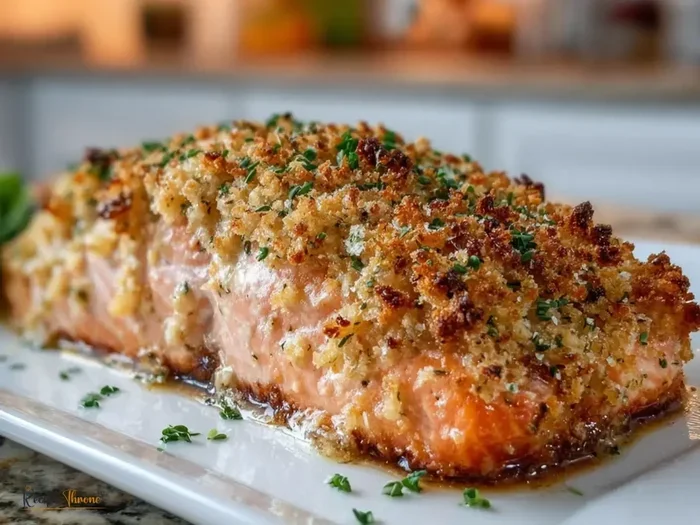
Mix chopped fresh dill, parsley, and breadcrumbs with a little olive oil and lemon zest. Spread this mixture over the salmon before baking. The herbs toast in the oven and form a fragrant, golden crust that pairs beautifully with the rich fish. This variation is perfect for dinner parties because it looks impressive but is incredibly easy to prepare.
Maple Mustard Glaze
Whisk together maple syrup, Dijon mustard, and a splash of soy sauce. Brush this glaze over the salmon during the last 5 minutes of baking. The sugars in the maple syrup caramelize quickly, creating a sticky, sweet-and-savory coating that is absolutely irresistible. This glaze works especially well with thicker fillets that can handle a longer bake.
Honey Garlic Salmon
Combine minced garlic, honey, olive oil, and a squeeze of lemon. Marinate the salmon for 10 to 15 minutes before baking, then proceed as usual. The honey adds a subtle sweetness and helps the garlic become fragrant and golden in the hot oven. This is a crowd-pleaser that even picky eaters love.
Best Side Dishes to Serve with Oven-Browned Salmon
The right sides can turn a simple salmon dinner into a memorable meal. Here are some crowd-pleasing pairings:
- Roasted asparagus — toss with olive oil, salt, and pepper, then roast on the same sheet pan during the last 10 minutes
- Garlic butter rice — a comforting, neutral base that soaks up the salmon’s juices beautifully
- Simple green salad — arugula, lemon vinaigrette, and shaved Parmesan make a light, refreshing contrast
- Lemon herb roasted potatoes — baby potatoes roasted with rosemary and garlic are a classic pairing
- Cucumber dill yogurt sauce — cool and creamy, it balances the warm, crispy salmon perfectly
Quick Tips for Better Oven-Browned Salmon:
- Always preheat your oven before placing the salmon inside
- Use the middle rack for the most even heat distribution
- Do not move the salmon while it is baking
- Leftover salmon makes an excellent addition to salads and sandwiches the next day
- Save the crispy skin — it makes a fantastic snack on its own
Key Takeaways
- High heat is your best friend: Baking salmon at 425°F to 450°F creates that beautiful golden-brown crust quickly and efficiently.
- Pat the salmon dry first: Removing surface moisture is the single most important step for achieving crispy skin.
- Timing matters enormously: Most salmon fillets need only 12 to 15 minutes in a hot oven, depending on thickness.
- Season simply for best results: Olive oil, salt, pepper, and lemon let the natural flavor of the fish shine through.
- Use a wire rack or parchment paper: These tools promote even browning and prevent sticking on the baking sheet.
- Rest the salmon before serving: Letting it sit for a couple of minutes after baking keeps the juices locked in and the texture perfect.
- Avoid common mistakes: Skipping the pat-dry step, overcrowding the pan, and flipping the salmon are the top three errors to watch out for.
Conclusion
Learning how to brown salmon in oven is one of the most rewarding skills you can build in the kitchen. It is simple, fast, and delivers stunning results every time. The crispy skin, the tender flesh, and the incredible aroma make it worth the minimal effort required.
Start with the basics — a hot oven, a dry fillet, and a light touch with seasoning. Once you are comfortable with the process, experiment with glazes, herbs, and creative side dishes. Before long, oven-browned salmon will become a go-to meal in your household.
The beauty of this method is that it works for almost everyone. Whether you are cooking for one or feeding a family of four, how to brown salmon in oven gives you a reliable, delicious result with very little cleanup. So preheat that oven, grab some fresh salmon, and get cooking. Your taste buds will thank you.
Now you have everything you need to create crispy, perfectly browned salmon in your own kitchen. Try it tonight, and you will never look at frozen fish sticks the same way again. Browning salmon in the oven is a skill that pays off every single time, so make it a regular part of your cooking routine.
Frequently Asked Questions
Can I use frozen salmon for oven-browning?
Yes, you can, but it is best to thaw it first for the most even browning. If you cook salmon straight from frozen, the outside may overcook before the inside is fully thawed. Thaw it overnight in the refrigerator or use the cold water method for faster results.
What is the best salmon to use for oven browning?
Skin-on fillets work best because the skin protects the flesh and crisps up beautifully. Wild-caught salmon tends to have a firmer texture that browns more evenly, but farmed salmon also works well and is often more budget-friendly. Look for bright-colored fillets with a fresh ocean smell.
How do I know when my salmon is done?
The easiest way is to use an instant-read thermometer. Insert it into the thickest part of the fillet. When it reads 145°F (63°C), the salmon is done. You can also check by gently pressing the top of the fillet — it should feel firm but still slightly springy to the touch.
Can I broil salmon instead of baking it?
Yes, broiling is a great alternative for getting a crispy top. Place the salmon on a baking sheet about 6 inches from the broiler element and cook for 4 to 6 minutes per side. Watch it closely because the broiler can burn the salmon quickly if you are not paying attention.
Should I cover salmon with foil when baking?
No, for crispy skin, leave the salmon uncovered. Foil traps steam and prevents the skin from crisping up. If you find your salmon drying out too quickly, you can loosely tent it with foil for the last few minutes of cooking, but remove it before serving to let the skin finish crisping.
What temperature should salmon be stored at after cooking?
Cooked salmon should be stored in the refrigerator at 40°F (4°C) or below within two hours of cooking. It keeps well for up to three days in an airtight container. Reheat gently in the oven at 275°F to keep the texture as close to fresh as possible without drying it out.
=== CONCLUSION ===
How to brown salmon in oven is a simple yet transformative cooking skill that anyone can master. With the right temperature, a little patience, and a few quality ingredients, you can create restaurant-worthy crispy salmon at home. Remember to pat the fish dry, use high heat, and resist the urge to open the oven door too often.
The techniques and tips in this guide give you a solid foundation to build on. Experiment with different seasonings, try new side dishes, and make this method your own. The more you cook it, the more confident you will become. Soon, oven-browned salmon will be a staple in your weekly meal rotation.
So go ahead, turn on that oven, and give it a try. Crispy, golden, perfectly cooked salmon is just one baking sheet away. Your kitchen — and your dinner guests — will be impressed.