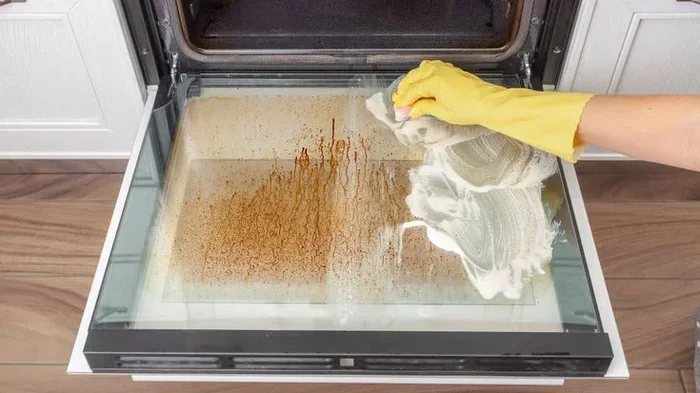
Are Gas Ovens Self Cleaning Everything You Should Know
Are gas ovens self cleaning? Many modern gas ovens come with a built-in self-cleaning feature, but not all models have it. The self-cleaning function uses high heat to burn off food residue, leaving behind ash that you can easily wipe away. However, there are important safety steps, timing considerations, and maintenance tips you should know before running your first cleaning cycle. This guide covers everything you need to make an informed decision about cleaning your gas oven.
So, are gas ovens self cleaning? If you have been staring at the greasy inside of your oven wondering how to get it spotless, you are not alone. Kitchen ovens take a beating every single day. Spills, splatters, and baked-on crumbs pile up over time. And let us be honest, scrubbing the inside of an oven is nobody’s favorite weekend chore.
The good news is that many modern gas ovens now come with a self-cleaning feature. But here is the catch. Not every gas oven has this function. And even the ones that do come with important safety rules and limitations you need to understand. In this guide, we will walk you through everything you need to know about gas oven self cleaning. From how the technology works to safety tips, alternative methods, and expert maintenance advice.
Whether you are shopping for a new oven or trying to figure out your current one, this article has you covered. Let us dive right in.
Key Takeaways
- Not all gas ovens are self-cleaning: Some models include a pyrolytic or steam-clean feature, while others require manual cleaning.
- Self-cleaning uses extreme heat: Temperatures can reach 900°F during a pyrolytic cycle to burn off grease and food residue.
- Safety is critical: Always ventilate your kitchen, remove racks, and keep pets and children away during the cycle.
- Manual cleaning works great too: Baking soda, vinegar, and commercial oven cleaners are effective alternatives.
- Regular maintenance extends oven life: Wiping spills immediately prevents buildup and reduces the need for deep cleaning.
- Self-cleaning can produce odors: Smoke and smells are normal but should be managed with proper ventilation.
- Know your oven model: Check your user manual or manufacturer website to confirm if your specific gas oven has a self-cleaning function.
📑 Table of Contents
What Is a Self-Cleaning Gas Oven?
A self-cleaning gas oven is a model that has a built-in function designed to clean the oven interior automatically. Instead of you scrubbing and scraping, the oven takes over. It uses one of two main methods to break down baked-on food and grease. These methods are called pyrolytic cleaning and steam cleaning.
The pyrolytic method is the most common in gas ovens. It works by heating the oven to extremely high temperatures, usually between 800°F and 900°F. At this heat, food residue turns into ash. Once the cycle finishes, you simply wipe away the ash with a damp cloth.
The steam cleaning method is gentler. It uses water and lower heat to loosen grime. This method takes less time and produces less smoke. However, it may not handle heavy buildup as effectively as pyrolytic cleaning.
Do All Gas Ovens Have Self-Cleaning?
No, they do not. Are gas ovens self cleaning by default? Absolutely not. Many standard gas ovens, especially older models or budget-friendly ones, do not include a self-cleaning feature. If you are unsure whether your oven has this function, check your user manual or look for a “self-clean” button on the control panel.
Here are some quick ways to find out if your gas oven is self-cleaning:
- Look for a “Self-Clean” or “Clean” button on the oven’s control panel.
- Check the product manual or the manufacturer’s website for your specific model.
- Search for the model number online and look at the feature list.
- Visit the oven and look for a locking mechanism on the door, which is common in self-cleaning models.
If your oven does not have a self-cleaning feature, do not worry. There are plenty of effective manual cleaning methods we will cover later in this guide.
How Does the Self-Cleaning Feature Work?
Understanding how self-cleaning oven technology works helps you use it safely and effectively. The process is actually pretty fascinating when you break it down.
In a pyrolytic cleaning cycle, the oven locks its door automatically. Then it heats the interior to temperatures between 800°F and 900°F. At these extreme temperatures, any food residue, grease, or carbon buildup gets incinerated. What remains is a small amount of white or gray ash.
The entire pyrolytic cycle typically takes between 2 and 4 hours, depending on the level of dirt. Once the oven cools down, you unlock the door and wipe out the ash with a damp sponge or cloth.
In a steam cleaning cycle, the process is much simpler. You add a small amount of water to the oven floor. The oven heats to a lower temperature, usually around 250°F to 300°F. The steam loosens grime and food particles, making them easy to wipe away. Steam cycles usually take about 20 to 30 minutes.
What Happens to the Grease and Food Residue?
During a pyrolytic cycle, the extreme heat completely burns away organic material. Grease, food particles, and carbon deposits are reduced to ash. This ash is non-toxic and easy to remove. However, it can sometimes have a slight smell, which is completely normal.
It is important to note that the oven’s heating elements, walls, and floor are specially designed to withstand these high temperatures. The oven lining is coated with a material that resists staining and makes cleanup easier after the cycle.
Can You Run the Self-Cleaning Cycle on Any Gas Oven?
Only if your specific model has the feature. You cannot add a self-cleaning function to an oven that does not come with one. Attempting to force a non-self-cleaning oven to reach extreme temperatures can be dangerous and may damage the appliance.
Pros and Cons of Self-Cleaning Gas Ovens
Like any appliance feature, self-cleaning ovens come with both advantages and disadvantages. Let us look at both sides so you can decide if this feature is worth it for your kitchen.
Benefits of a Self-Cleaning Gas Oven
- Saves time and effort: You do not need to scrub the inside of your oven for hours. The oven does the hard work for you.
- Deep cleans hard-to-reach areas: The high heat reaches corners and crevices that are difficult to clean manually.
- Reduces the need for chemical cleaners: Since the process burns off grime, you often do not need harsh oven cleaning sprays.
- Keeps the oven looking new: Regular self-cleaning helps prevent long-term staining and discoloration of the oven interior.
- Improves cooking performance: A clean oven heats more evenly and can improve your cooking results.
Drawbacks of a Self-Cleaning Gas Oven
- High energy consumption: The extreme heat used during a pyrolytic cycle uses a significant amount of gas or electricity.
- Smoke and odors: The burning process can produce smoke and unpleasant smells, especially if there is heavy buildup.
- Safety concerns: The oven door locks during the cycle, and the exterior can become very hot. This poses a risk in homes with children or pets.
- Not ideal for light cleaning: Running a full self-cleaning cycle for minor spills is overkill and wastes energy.
- Can damage the oven over time: Frequent self-cleaning cycles may wear out the oven lining and door seals faster than normal use.
Quick Tips for Using the Self-Cleaning Feature
- Always remove oven racks before starting the cycle. High heat can warp or discolor them.
- Clean up large spills before running the cycle to reduce smoke and odor.
- Run the cycle only when you are home and can monitor the oven.
- Ventilate your kitchen by opening windows or turning on the range hood.
- Wait for the oven to cool completely before wiping out the ash.
How to Clean a Gas Oven Without Self-Cleaning
If your gas oven does not have a self-cleaning feature, you can still get excellent results with manual cleaning methods. Many homeowners prefer these methods because they use simple, affordable supplies and give them more control over the process.
Method 1: Baking Soda and Vinegar Paste
This is one of the most popular and effective oven cleaning methods. Here is how to do it:
- Mix baking soda and water to form a thick paste.
- Spread the paste evenly across the inside of the oven, avoiding the heating elements.
- Let it sit overnight or for at least 8 hours.
- Wipe away the paste with a damp cloth.
- Spray vinegar on any remaining residue. It will fizz and help lift the remaining grime.
- Wipe the interior clean with a fresh damp cloth.
This method is gentle, non-toxic, and works well for regular maintenance and moderate buildup.
Method 2: Commercial Oven Cleaner
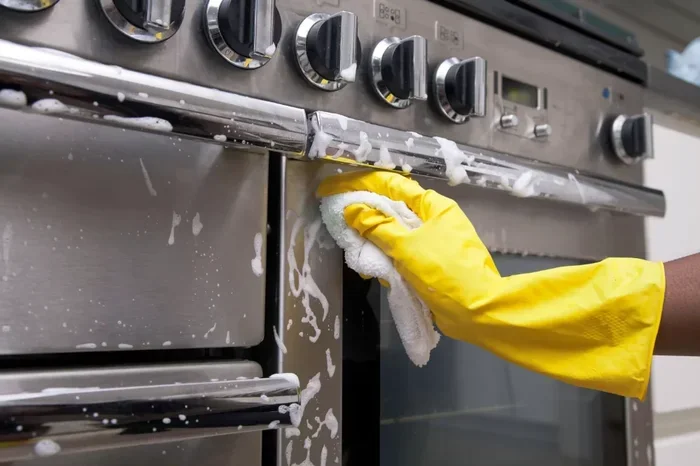
Store-bought oven cleaners are formulated to dissolve tough grease and baked-on food. Look for a product that is safe for gas ovens. Always follow the manufacturer instructions and use gloves and ventilation when applying chemical cleaners.
Spray the cleaner inside the oven, let it sit for the recommended time, and then wipe it clean. Be sure to rinse thoroughly to remove any chemical residue.
Method 3: Steam Cleaning
You can create a DIY steam clean by placing a oven-safe dish filled with water on the bottom rack. Set the oven to 450°F and let it run for about 30 minutes. The steam will loosen grime, making it easier to wipe away.
Cleaning the Oven Racks
Oven racks often need separate cleaning since they cannot be left inside during a self-cleaning cycle. You can soak them in your bathtub with hot water and dish soap. For tough grime, sprinkle baking soda and scrub with a non-abrasive sponge.
Common Mistakes to Avoid When Self-Cleaning
Even if you love your self-cleaning oven, there are mistakes that can reduce its effectiveness or even cause damage. Here are the most common errors people make:
- Forgetting to remove oven racks: The extreme heat can warp or discolor metal racks. Always remove them before starting the cycle.
- Running the cycle with heavy food debris: Large food particles can create excessive smoke and even trigger smoke alarms. Clean up big spills first.
- Leaving the house during the cycle: Self-cleaning ovens can produce smoke and odors. Stay nearby so you can respond if something goes wrong.
- Opening the door during the cycle: Most self-cleaning ovens lock automatically. Forcing the door open can damage the locking mechanism.
- Using oven cleaner inside a self-cleaning oven: Chemical cleaners can damage the special lining designed for pyrolytic cleaning. Stick to the self-cleaning function or use baking soda and vinegar instead.
- Running the cycle too frequently: Overuse of the self-cleaning feature can wear out the oven lining and seals faster than expected.
What About Carbon Monoxide and Safety?
During the self-cleaning process, the oven produces smoke as it burns off food residue. This is normal. However, it is important to ensure proper kitchen ventilation during the cycle. If your kitchen has a range hood, turn it on. Open windows if possible. This helps clear smoke and any mild odors quickly.
While gas ovens do produce trace amounts of carbon monoxide during normal cooking, the self-cleaning cycle is not typically a significant source of danger as long as your kitchen is ventilated. Never block the oven’s ventilation areas, and make sure your home has functioning carbon monoxide detectors.
Expert Tips for Maintaining a Clean Gas Oven
The best way to keep your gas oven clean is to prevent buildup in the first place. A little regular maintenance goes a long way and reduces the need for deep cleaning sessions.
Wipe Spills Immediately
When food or grease spills inside your oven, clean it up as soon as the oven cools down. The longer a spill sits, the harder it becomes to remove. Keeping a damp cloth near the oven makes this habit easy to maintain.
Use Oven Liners
Oven liners are affordable sheets that sit on the bottom rack. They catch drips and spills before they reach the oven floor. You can simply remove the liner, wash it, and replace it. This simple trick keeps your oven much cleaner between deep cleaning sessions.
Schedule Regular Deep Cleans
Even with good daily habits, plan to deep clean your oven every 3 to 6 months. If your oven has a self-cleaning feature, running it every few months can help maintain a fresh interior. For manual cleaning, use the baking soda and vinegar method to keep things fresh.
Keep the Door Seal Clean
The rubber seal around your oven door plays a big role in heat retention. Wipe it down regularly with a damp cloth to remove grease and food particles. A clean seal helps your oven heat more efficiently and can even reduce your energy bills.
Expert Insight: How Often Should You Self-Clean?
According to appliance experts, running a self-cleaning cycle once every 4 to 6 months is ideal for most households. If you cook frequently or tend to make messy dishes, you may want to do it every 3 months. For light cooks, twice a year is usually sufficient.
Remember, the self-cleaning feature is designed for maintenance, not for replacing regular cleaning habits. A little daily care makes every self-cleaning cycle more effective and less smelly.
Frequently Asked Questions
Can you use a gas oven’s self-cleaning feature safely?
Yes, self-cleaning gas ovens are safe when used correctly. Always follow the manufacturer’s instructions, ventilate your kitchen, and stay nearby during the cycle. Make sure your home has working smoke detectors and carbon monoxide alarms. Never force the oven door open while the cycle is running.
How long does a self-cleaning cycle take?
A pyrolytic self-cleaning cycle typically takes between 2 and 4 hours. The exact time depends on how dirty the oven is and the specific model. Steam cleaning cycles are much faster, usually taking only 20 to 30 minutes.
What happens during the self-cleaning process?
The oven heats to extremely high temperatures, usually between 800°F and 900°F, to burn off food residue and grease. The door locks automatically during the cycle for safety. Once finished, all that remains is a small amount of white ash that you can easily wipe away with a damp cloth.
Can you clean a gas oven with regular oven cleaner?
Yes, you can use a commercial oven cleaner on a gas oven that does not have a self-cleaning feature. However, avoid using chemical cleaners inside a self-cleaning oven. The harsh chemicals can damage the special high-heat-resistant lining. Stick to baking soda and vinegar for self-cleaning models.
How often should you clean your gas oven?
For best results, deep clean your gas oven every 3 to 6 months. Wipe up spills immediately after the oven cools. If your oven has a self-cleaning feature, running it every 4 to 6 months helps maintain a fresh and hygienic interior.
Why does my oven smell bad during self-cleaning?
The smell during a self-cleaning cycle is completely normal. It comes from the food residue and grease being burned off at extreme temperatures. Ventilating your kitchen with an open window or running the range hood helps reduce the odor significantly. The smell usually fades once the cycle is complete and the oven cools down.
Final Thoughts
So, are gas ovens self cleaning? Many modern gas ovens absolutely are, and the feature can be a real game-changer for busy homeowners. A self-cleaning gas oven saves you time, reduces the need for harsh chemicals, and keeps your appliance running at its best.
But it is not magic. You still need to follow safety guidelines, maintain the oven regularly, and use the feature appropriately. And if your oven does not have a self-cleaning function, there are plenty of effective manual methods that work just as well.
The key takeaway is simple. Whether your oven cleans itself or not, regular maintenance is the secret to a fresh, efficient, and long-lasting appliance. Wipe spills promptly, deep clean every few months, and treat your oven with care. A little effort goes a long way toward keeping your gas oven clean and your kitchen smelling great.
Now that you know everything about gas oven self cleaning, you are ready to take action. Check your oven model, pick the right cleaning method, and enjoy a sparkling clean oven that makes every meal taste better.