The History Behind When Microwave Ovens Became Common
Microwave ovens became common in American households by the mid-1980s, after decades of development and shrinking in size and cost. The journey from large commercial units to compact countertop models changed how families reheat food and prepare quick meals every day. Understanding this history helps us appreciate how far microwave technology has come in just a few decades.
The story of how microwave ovens went from massive radar equipment to a standard kitchen appliance is genuinely fascinating. It spans several decades of innovation, engineering breakthroughs, and changing lifestyles. Most of us can’t imagine a kitchen without one today, but that wasn’t always the case.
So, when did microwave ovens become common? The short answer is the mid-1980s. But the full story is much more interesting. It starts with a happy accident during World War II and ends with a device sitting on nearly every kitchen counter. Let’s walk through the complete timeline of how this household appliance transformed the way we cook and eat.
Key Takeaways
- Microwave ovens emerged in the 1940s: The first microwave oven was invented by Percy Spencer using radar technology during World War II.
- They were too big at first: Early models weighed over 700 pounds and stood nearly 6 feet tall, making them impractical for home use.
- The 1960s brought smaller versions: Tappan introduced the first domestic microwave in 1955, but it wasn’t until the 1970s that prices dropped enough for mass adoption.
- By the mid-1980s, they were a kitchen staple: Over 25% of U.S. homes had a microwave by 1986, and that number grew fast in the 1990s.
- Modern microwaves do much more than reheat: Today’s countertop oven models can defrost, steam, grill, and even air fry.
- Microwave cooking saves time and energy: A microwave oven uses far less electricity than a traditional electric oven for most tasks.
📑 Table of Contents
The Early Days of Microwave Technology
The roots of microwave technology go back to the 1940s. During World War II, engineers were working on radar systems to detect enemy aircraft. One engineer, Percy Spencer, noticed something strange. A chocolate bar in his pocket had melted while he was standing near an active magnetron.
That chance observation led to a breakthrough. Spencer realized that microwave radiation could heat food quickly and efficiently. He built the first microwave oven for cooking in 1947. It was called the “Radarange.”
Why the First Microwave Was So Huge
The original Radarange was nothing like the slim countertop oven models we use today. It stood nearly six feet tall and weighed over 700 pounds. It needed a water-cooling system and cost thousands of dollars. Only restaurants and large food operations could afford one.
These early units were not meant for home kitchens. They were commercial machines designed for bulk food preparation. Still, they proved a powerful idea: microwave cooking could save time and energy compared to traditional methods.
From Radar to Home Kitchens
The shift from commercial to domestic use took over a decade. Engineers had to figure out how to shrink the magnetron and make the units safe for home environments. By the mid-1950s, companies like Tappan started experimenting with smaller versions designed for residential use.
In 1955, Tappan introduced a home microwave model. But it was still too expensive for most families. The price tag was around $1,300, which is over $14,000 in today’s money. Very few people bought one. The microwave oven was still a luxury item, not a kitchen staple.
When Microwave Ovens First Entered Homes
The real turning point came in the 1960s and 1970s. Several factors pushed microwave ovens closer to becoming a common kitchen gadget.
First, the technology improved. Engineers found ways to make the components smaller and cheaper. Second, people’s lifestyles changed. More women entered the workforce, and families wanted faster ways to prepare meals. Third, companies invested heavily in marketing the benefits of convenience cooking.
The First Affordable Models
Amana, a division of Raytheon, released the first affordable countertop microwave in 1967. It cost about $500, which was still a lot of money back then. But it was the first model designed specifically for home use at a somewhat reasonable price.
Sales grew slowly at first. Most people were curious but hesitant. Many households still preferred their traditional electric oven for daily cooking. The idea of using microwave radiation to prepare food felt unfamiliar and even a bit scary to some consumers.
The Price Drop That Changed Everything
The 1970s brought a big shift. As manufacturing processes improved, the cost of producing microwaves fell dramatically. By the late 1970s, you could buy a basic model for under $200. That price point made microwave ovens accessible to a much wider audience.
Sales exploded during this period. In 1970, fewer than 1% of U.S. homes had a microwave. By 1980, that number had jumped to about 25%. The growth rate was incredible. People could finally see the practical value of fast cooking and quick reheating without spending a fortune.
| Year | U.S. Households with Microwave | Average Price |
|---|---|---|
| 1970 | Less than 1% | $1,000+ |
| 1975 | About 5% | $600-$800 |
| 1980 | About 25% | $200-$300 |
| 1985 | About 50% | $150-$250 |
| 1990 | Over 75% | $100-$200 |
As you can see, the growth was steep. The microwave oven went from a rare luxury to a household appliance found in most kitchens within just 20 years.
How Microwave Ovens Changed the Way We Cook
Once microwave ovens became affordable, everything changed. Families discovered they could reheat food in minutes instead of waiting for a full oven to preheat. Busy parents loved the ability to warm up leftovers quickly for hungry kids after school.
The impact went beyond just reheating. People started experimenting with microwave cooking for entire meals. Frozen dinners, which had existed for decades, became wildly popular because a microwave made them truly convenient. By the 1980s, the frozen food industry was booming, and the microwave oven was a big reason why.
Speed and Convenience
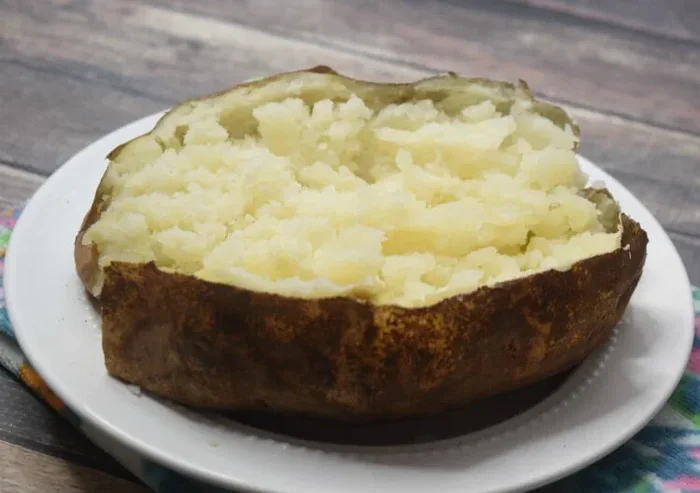
The biggest draw of microwave ovens was speed. A baked potato that took 60 minutes in a conventional oven could be ready in 10 minutes in a microwave. Popcorn that required stovetop popping could be made in under two minutes.
This speed matched the pace of modern life. As families became busier, the demand for quick cooking solutions grew. The microwave fit perfectly into this new lifestyle. It wasn’t meant to replace the full-size oven entirely, but it handled a wide range of tasks faster and with less energy.
Energy Efficiency and Savings
Another major benefit was energy savings. A microwave oven uses significantly less electricity than a traditional oven for most tasks. It heats food directly rather than warming the air inside a large cavity. This meant lower utility bills and a smaller environmental footprint.
For small households or individuals living alone, the microwave became the primary cooking tool. It made sense economically and practically. Why heat up a big oven to warm up a single plate of food?
The Rise of the Compact Microwave
As microwave ovens grew in popularity, manufacturers started focusing on design and versatility. The bulky, boxy early models gave way to sleeker, more stylish units. Countertop space became a premium in many kitchens, so companies worked to make their models more compact and efficient.
The 1990s saw the introduction of several new features that expanded what microwave ovens could do. Inverter technology allowed for more even cooking and defrosting. Sensors could detect moisture levels and adjust power automatically. These innovations made the appliance more useful and user-friendly.
Microwave Ovens Go Mainstream
By the late 1990s, having a microwave in the kitchen was no longer a novelty. It was expected. Real estate listings started mentioning microwaves as a standard feature. Builders began installing built-in microwave units during home construction.
The microwave oven had officially become a kitchen staple. It joined the toaster, the coffee maker, and the blender as one of the essential small kitchen appliances in most homes. Today, it’s hard to find a kitchen that doesn’t have one.
Modern Features and Smart Technology
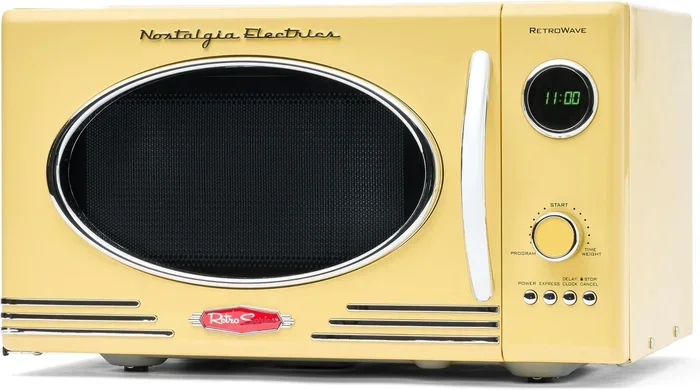
Today’s microwaves are lightyears ahead of the early models. Many now include smart features like app connectivity, voice control, and preset cooking programs. Some combine microwave technology with convection heating or air frying. The modern countertop oven is a far cry from the clunky Radarange of the 1940s.
Brands like Panasonic, Samsung, LG, and Toshiba compete to offer the best combination of power, features, and price. Wattage options range from 700 watts for basic models to 1,200 watts or more for high-performance units. Higher wattage means faster cooking time and more even heating.
Quick Tips: Getting the Most from Your Microwave
- Stir food halfway through cooking to ensure even heating.
- Use microwave-safe containers only. Avoid metal and some plastics.
- Cover food with a microwave-safe lid or damp paper towel to retain moisture.
- Let food stand for a minute after cooking. The heat continues to distribute.
- Defrost on the lowest power setting for the best results.
Common Myths About Microwave Ovens
Despite their widespread use, microwave ovens are still surrounded by myths and misconceptions. Let’s clear up some of the most common ones.
Myth: Microwaves Make Food Less Nutritious
Many people believe that microwave cooking destroys nutrients more than other methods. Research actually shows the opposite. Because microwaves cook food quickly and with less water, they often preserve more vitamins and minerals than boiling or long oven cooking.
The microwave oven is one of the gentler cooking methods when it comes to nutrition. Short cooking times and minimal water use are the key reasons why.
Myth: Microwaves Cause Cancer
This is one of the most persistent fears about microwave ovens. The truth is that microwaves use non-ionizing radiation. This is completely different from the ionizing radiation associated with X-rays or nuclear energy. Microwave radiation does not make food radioactive or cause cancer.
Regulatory agencies around the world, including the FDA, have confirmed that microwave ovens are safe when used according to manufacturer instructions. The radiation is contained within the oven cavity and drops to near-zero levels once the door is opened.
Myth: You Shouldn’t Use a Microwave for Everyday Cooking
Some people think microwaves are only good for reheating leftovers. In reality, modern microwaves can handle a wide range of cooking tasks. You can steam vegetables, cook eggs, bake potatoes, make oatmeal, and even prepare full meals in a microwave oven.
The key is using the right power level and cooking time. Experimenting with different settings helps you get the best results for various types of food.
Expert Insight: Why Microwaves Became So Popular
“The rise of the microwave oven wasn’t just about technology. It was about matching the pace of modern life,” says food historian Laura Mason. “When families needed faster meal solutions, the microwave delivered exactly that. Its adoption wasn’t forced by marketing alone, it was driven by real, everyday convenience.”
The Future of Microwave Ovens
What’s next for the microwave oven? The trend points toward even more versatility. Combination ovens that merge microwave, convection, and grill functions are growing in popularity. These units can roast, bake, and microwave, giving home cooks more options in one appliance.
Smart technology is also shaping the future. Some models now feature built-in cameras, automatic recipe programs, and sensors that adjust cooking settings based on food type and weight. The goal is to make microwave cooking as intuitive and precise as possible.
Energy efficiency will likely remain a priority. As households look for ways to reduce electricity consumption, the microwave oven offers a clear advantage over traditional ovens for many tasks. Expect future models to be even more energy-efficient and environmentally friendly.
One thing is certain: the microwave oven is not going anywhere. It has earned its place as one of the most used kitchen appliances in the world. From its humble beginnings as a radar experiment to its current status as a kitchen essential, the journey of the microwave is a remarkable story of innovation meeting everyday need.
The next time you use your microwave oven to reheat food or make a quick snack, remember the decades of engineering and design that went into making that moment possible. What started as a melted chocolate bar in 1945 became one of the most transformative household appliances of the 20th century.
Conclusion
The question of when microwave ovens became common has a clear answer: the mid-1980s. But the journey to that point took nearly four decades of innovation, trial, and refinement. From the massive Radarange of the 1940s to the sleek countertop models of today, the microwave oven has come a long way.
What started as a military radar experiment became a kitchen staple in millions of homes worldwide. The microwave oven changed how we cook, reheat, and think about meal preparation. It brought speed, convenience, and energy savings into everyday life.
Today, it’s hard to imagine a kitchen without one. Whether you use it to defrost food in a hurry, cook a full meal, or simply warm up yesterday’s dinner, the microwave oven is a trusted companion in the kitchen. Its story is a testament to how a simple idea, backed by smart engineering and real human need, can transform the way we live.
Frequently Asked Questions
When did microwave ovens first appear in homes?
Microwave ovens first appeared in homes in the late 1960s. Amana released the first affordable countertop model in 1967. However, they didn’t become truly common until the mid-1980s when prices dropped and more households could afford them.
How much did the first home microwave cost?
The first home microwave from Tappan in 1955 cost around $1,300, which is over $14,000 in today’s dollars. By the late 1970s, prices dropped to under $200, making them accessible to most families.
Are microwave ovens safe for everyday use?
Yes, microwave ovens are completely safe for everyday use. They use non-ionizing radiation, which is different from harmful radiation types. Regulatory agencies worldwide confirm that microwave ovens are safe when used according to the manufacturer’s instructions.
Can you cook full meals in a microwave?
Absolutely. Modern microwave ovens can handle full meals including steaming vegetables, cooking rice, baking potatoes, and even preparing complete dishes. Many people use their microwave as a primary cooking tool, especially for small households.
What wattage should I look for in a microwave?
For most cooking tasks, look for a microwave oven with at least 1,000 watts. Higher wattage means faster cooking time and more even heating. Basic models with 700 watts work fine for simple reheating and defrosting.
Do microwave ovens use a lot of electricity?
No, microwave ovens are actually quite energy-efficient. They use significantly less electricity than a traditional oven because they heat food directly rather than warming the air inside a large cavity. This makes them an economical choice for quick cooking tasks.