How To Crisp Up Fries In The Oven And Get Perfect Results
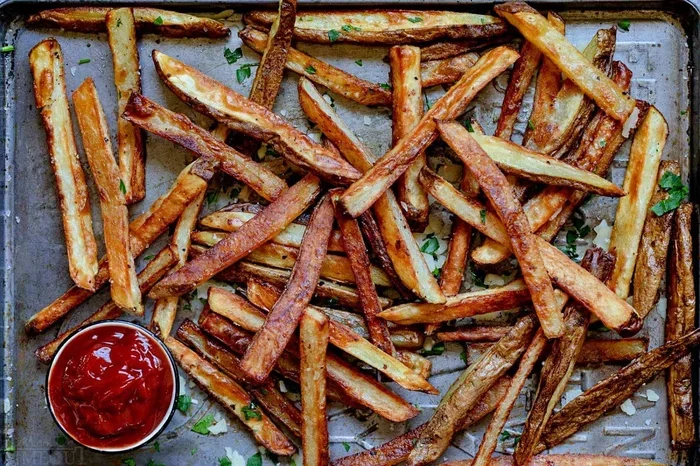
Learning how to crisp up fries in the oven is easier than you think. With the right temperature, a hot baking sheet, and a few simple tricks, you can turn soggy or frozen fries into perfectly crispy golden fries. This guide covers every step, from prep to oven time, so you get crispy french fries that taste like they came from a restaurant.
There is nothing better than a plate of crispy fries. Whether you are snacking on leftover fries or baking a fresh batch, the texture makes all the difference. But let us be honest. Sometimes fries come out soft, limp, or just plain disappointing. That is where learning how to crisp up fries in the oven changes everything.
The good news is that you do not need fancy equipment or a professional kitchen. A regular home oven, a baking sheet, and a few smart tricks are all you need. This guide walks you through everything you need to know about crispy oven fries. You will learn the best oven temperature for fries, common mistakes to avoid, and tips that turn average fries into something amazing.
By the end of this article, you will feel confident baking fries that are golden, crunchy, and full of flavor. Let us get into it.
Key Takeaways
- Preheat your oven high: A hot oven (around 425°F to 450°F) is the secret to crispy fries.
- Use a hot baking sheet: Placing fries on a preheated sheet promotes immediate crisping.
- Don’t overcrowd the pan: Space matters for airflow and even browning.
- A light oil coating helps: Just enough oil creates a golden, crunchy exterior.
- Flip halfway through: Turning fries ensures both sides get crispy.
- Frozen fries work great too: You can bake frozen fries and still achieve excellent texture.
- Skip the microwave: The oven is the best way to reheat fries and restore their crunch.
📑 Table of Contents
- Why Your Fries Lose Their Crispiness
- How To Crisp Up Fries In The Oven: Step-by-Step Guide
- Best Oven Temperature For Crispy Fries
- Tips To Make Your Fries Extra Crispy
- Common Mistakes That Make Fries Soggy
- Frozen Fries vs Fresh Fries: Which Works Better for Crispiness?
- How To Reheat Leftover Fries for Maximum Crispiness
- Expert Insights on Perfect Oven Fries
- Quick Tips Summary
- Conclusion
Why Your Fries Lose Their Crispiness
Before we dive into the steps, it helps to understand why fries lose their crunch in the first place. When fries cool down, moisture moves to the surface. This makes them soft and chewy instead of crispy. Reheating them the wrong way only makes the problem worse.
A microwave, for example, traps steam inside. That steam softens the outer layer and turns your fries into a sad, soggy mess. The oven, on the other hand, allows moisture to escape. This is why the oven is the best method for french fries reheating and for baking fries from scratch.
Another reason fries lose crispiness is low heat. If your oven is not hot enough, the fries steam instead of roast. They absorb their own moisture and turn mushy. Understanding this simple science helps you avoid many common problems.
The Role of Starch and Moisture
Potatoes contain a lot of starch. When cooked, the starch absorbs water. As the fries cool, that water migrates outward. The outer layer becomes damp, and the inside becomes dense. This is the exact opposite of what we want from crispy potato fries.
High heat reverses this process. It drives moisture away from the surface quickly. The starches on the outside dehydrate and form a hard, crunchy shell. Meanwhile, the inside stays fluffy and soft. This contrast between a crispy outside and a soft inside is what makes great fries so satisfying.
How To Crisp Up Fries In The Oven: Step-by-Step Guide
Now let us get to the fun part. Here is a clear, simple process for how to crisp up fries in the oven. Follow these steps and you will notice a huge difference in your results.
Step 1: Preheat Your Oven
Start by preheating your oven to 425°F (220°C). A hot oven is absolutely essential for crispy results. Do not skip this step. Many people put fries into a cold oven, and that is where things go wrong.
Give your oven at least 15 to 20 minutes to reach the right temperature. A fully preheated oven ensures the fries start cooking immediately. This locks in surface moisture fast and begins the crisping process right away.
Step 2: Prepare Your Baking Sheet
While the oven heats up, line a baking sheet with parchment paper or a silicone baking mat. Some people skip this, but parchment paper prevents sticking and makes cleanup a breeze.
Here is a pro tip: place the baking sheet in the oven while it preheats. A hot baking sheet means the fries start crisping the moment they touch the surface. This small trick makes a big difference in your oven-baked fries.
Step 3: Spread the Fries Out
Take your fries and spread them in a single layer on the hot baking sheet. Leave space between each fry. Overcrowding is one of the biggest mistakes people make when baking fries.
When fries touch each other, steam gets trapped between them. That steam softens the edges and prevents crisping. Give each fry room to breathe. If you have a lot of fries, use two baking sheets or bake in batches.
Step 4: Add a Light Coat of Oil
Lightly spray or drizzle the fries with a thin layer of oil. You do not need much. Just enough to coat the surface lightly helps promote browning and crunch.
Olive oil works well, but a neutral oil like avocado oil or vegetable oil is even better. These oils have higher smoke points and do not burn at high temperatures. Toss the fries gently to distribute the oil evenly.
Step 5: Bake and Flip
Place the baking sheet on the middle rack of your oven. Bake for about 15 to 20 minutes. Set a timer and check the fries halfway through.
At the 10-minute mark, open the oven and flip each fry. This ensures both sides get equally crispy. Use a spatula to turn them carefully. You want to see light golden color forming on the edges.
Continue baking for another 8 to 10 minutes after flipping. The total bake time usually falls between 18 and 25 minutes, depending on the thickness of your fries and how crispy you like them.
Step 6: Season and Serve Immediately
Once the fries look golden and sound slightly hollow when you tap them, they are done. Remove the baking sheet from the oven right away.
Season with salt while the fries are still hot. Salt sticks better to a warm, slightly oily surface. Serve immediately for the best texture. Fries lose their crispiness fast once they sit, so eat them while they are hot.
Best Oven Temperature For Crispy Fries
Temperature is the single most important factor in getting crispy fries oven results. Too low, and the fries steam and turn soft. Too high, and the outside burns before the inside cooks through.
The sweet spot for most fries is between 425°F and 450°F (220°C to 230°C). This range is hot enough to dehydrate the surface quickly but not so hot that it burns the exterior. It allows the inside to cook through while forming a crunchy shell on the outside.
Why 425°F Works So Well
At 425°F, the heat penetrates the fries evenly. The surface moisture evaporates fast, creating a dry outer layer. That dry layer then begins to brown through a process called the Maillard reaction. This is the same chemical reaction that gives bread its golden crust and steak its flavorful sear.
At this temperature, you get a beautiful golden color without burning. The fries develop a satisfying crunch on the outside while staying soft and fluffy on the inside. It is the ideal balance for crispy french fries.
Adjusting Temperature for Different Types of Fries
Thicker-cut fries may need a slightly lower temperature, around 400°F. This gives the inside more time to cook without burning the outside. Thin-cut or shoestring fries do well at 450°F because they cook faster and need that extra burst of heat.
If you are working with frozen fries oven options, stick to 425°F. Frozen fries already have ice crystals on the surface, and a moderate temperature helps melt that ice slowly without steaming the fries.
| Fry Type | Recommended Temp | Bake Time |
|---|---|---|
| Fresh thick-cut | 425°F | 20-25 minutes |
| Fresh thin-cut | 450°F | 15-20 minutes |
| Frozen fries | 425°F | 20-25 minutes |
| Leftover fries | 425°F | 10-15 minutes |
| Oven fries from scratch | 425°F | 25-30 minutes |
Tips To Make Your Fries Extra Crispy
Getting crispy oven fries is one thing. Making them extra crispy is another level entirely. Here are some tried-and-true tips that take your fries from good to outstanding.
Soak Your Fries Before Baking
If you are making fries from fresh potatoes, soak them in cold water for 30 minutes before baking. Soaking removes excess surface starch. Less starch means less stickiness and more crunch.
After soaking, dry the fries thoroughly with a clean towel or paper towel. Any remaining moisture will create steam in the oven, which is the enemy of crispiness. The drier the fries before they hit the hot pan, the crispier they will be.
Use a Wire Rack Instead of a Baking Sheet
Placing fries on a wire rack set over a baking sheet is a game-changer. The rack allows hot air to circulate around the fries from all sides. This means the bottom gets crispy too, not just the top.
Without a rack, fries sit flat on the pan and only the top side gets direct heat. The bottom side stays softer. A wire rack solves this problem and gives you evenly crispy fries every time.
Do Not Skip the Cornstarch Trick
Tossing fresh-cut fries with a small amount of cornstarch before baking adds an extra layer of crunch. The cornstarch creates a thin, crispy coating that absorbs moisture and browns beautifully.
Use about one tablespoon of cornstarch per pound of potatoes. Toss gently so every piece gets a light dusting. This trick works wonders for homemade oven fries recipe versions.
Double Fry for Maximum Crunch
Professional kitchens often use a double-fry method. You can replicate this in the oven with a two-stage approach. Bake the fries once at 425°F for 15 minutes, remove them, then return them to the oven for another 10 minutes at a slightly higher temperature.
The first bake cooks the inside. The second bake dehydrates the surface further and boosts the crunch. This method produces restaurant-quality crispy potato fries right in your home kitchen.
Season at the Right Time
Add salt and other seasonings right after the fries come out of the oven. The residual heat and slight oiliness help the seasoning stick.
Sprinkle seasonings too early, and they may slide off or burn. Some great seasoning options include garlic powder, smoked paprika, onion powder, and a pinch of cayenne pepper for heat. Get creative with your fries crispiness by mixing in different flavors.
Common Mistakes That Make Fries Soggy
Even with the best intentions, it is easy to make mistakes when baking fries. Here are the most common ones and how to avoid them.
Overcrowding the Pan
This is the number one mistake people make. When fries are piled on top of each other, steam has nowhere to go. The trapped moisture softens every fry in the batch.
Always use a single layer with space between each fry. If your baking sheet is small, use two sheets or bake in two rounds. Your crispy oven fries will thank you for the extra effort.
Using a Cold Baking Sheet
Putting fries on a cold pan slows down the cooking process. The fries start to steam instead of roast. This is why preheating your baking sheet is so important.
A hot pan immediately starts crisping the bottom of each fry. It creates that satisfying golden-brown crust we all love. Make it a habit to heat the sheet alongside the oven.
Opening the Oven Too Often
Every time you open the oven door, the temperature drops. This disrupts the cooking process and adds moisture to the fries.
Resist the urge to peek too often. Check the fries only when the timer goes off. Trust the process and let the oven do its job. Frequent opening is one of the sneaky reasons fries not soggy goals slip away.
Using Too Much Oil
A little oil helps. A lot of oil makes fries greasy and soft. The excess oil pools around the fries and creates a fried-but-not-crispy texture.
Less is more when it comes to oil. A light spray or a quick toss with a teaspoon of oil per baking sheet is plenty. You want a thin sheen, not a pool of oil.
Frozen Fries vs Fresh Fries: Which Works Better for Crispiness?
Both frozen fries and fresh fries can turn out crispy in the oven. But they require slightly different approaches. Let us compare the two.
Fresh Fries
Fresh fries give you more control over the final product. You can choose your potato variety, cut thickness, and seasoning. The oven fries recipe process takes a bit longer, but the results are worth it.
Fresh potatoes also have fewer additives than frozen ones. This means a cleaner, more natural flavor. Soaking fresh fries before baking removes excess starch and improves texture significantly.
Frozen Fries
Frozen fries oven baking is incredibly convenient. Most frozen fries are already blanched and partially cooked. This means they need less time in the oven than fresh fries.
The key with frozen fries is to spread them out and not thaw them first. Thawing adds moisture, which leads to sogginess. Place frozen fries directly onto a hot baking sheet and bake at 425°F for 20 to 25 minutes.
Many people are surprised at how crispy frozen fries can be when baked properly. The pre-cut shape also ensures even cooking, which is a nice bonus.
Quick Comparison Table
| Factor | Fresh Fries | Frozen Fries |
|---|---|---|
| Prep Time | 30 minutes (plus soaking) | 5 minutes |
| Bake Time | 20-30 minutes | 20-25 minutes |
| Crispiness Level | Excellent when soaked and dried | Very good with proper spacing |
| Flavor Control | Full control | Limited to seasoning |
| Convenience | Low | High |
| Best For | Homemade fries lovers | Quick weeknight snacks |
How To Reheat Leftover Fries for Maximum Crispiness
Leftover fries are a common situation. Maybe you ordered too much at a restaurant, or you made a big batch at home. Whatever the reason, reheating fries the right way brings them back to life.
The oven is hands down the best tool for french fries reheating. A microwave will make them soggy. The oven restores the crunch and brings back the golden color.
Preheat your oven to 400°F. Spread the leftover fries on a baking sheet in a single layer. Reheat for 8 to 10 minutes, flipping once halfway through. The fries should come out crispy and warm, almost as good as fresh.
For even better results, spritz the leftover fries lightly with water before reheating. This adds just enough moisture to prevent drying out while still allowing the surface to crisp. It is a simple trick that works like magic for leftover fries.
Expert Insights on Perfect Oven Fries
Professional chefs and food scientists agree on a few key principles for the crispiest fries. Here is what the experts have to say about mastering crispy fries oven techniques.
Chef Thomas Keller once said that the secret to great fries is patience. He recommends letting cut fries soak in cold water overnight in the refrigerator. This removes even more starch and results in a lighter, crunchier interior texture.
Food scientists point to the importance of surface moisture. The drier the surface of the fry before it enters the oven, the crispier the result. This is why patting fries dry after soaking is just as important as the soaking itself.
Another expert tip involves using a combination of oils. Mixing a high smoke point oil like grapeseed with a small amount of olive oil gives you both crispiness and flavor. The grapeseed oil handles the heat, while the olive oil adds a rich taste.
These small details separate good fries from great fries. Paying attention to them is what makes the difference between homemade fries and crispy potato fries that rival your favorite restaurant.
Quick Tips Summary
- Preheat your oven to 425°F and your baking sheet at the same time.
- Use parchment paper to prevent sticking and make cleanup easy.
- Spread fries in a single layer with space between each one.
- Use just a little oil to promote browning without making them greasy.
- Flip the fries halfway through baking for even crispiness.
- Season immediately after removing from the oven.
- Serve right away to enjoy maximum crunch.
Conclusion
How to crisp up fries in the oven is a skill anyone can learn. With the right temperature, a hot baking sheet, and a few simple techniques, you can enjoy crispy fries whenever you want them. Whether you are baking fresh fries from scratch or reheating leftover fries, the oven gives you the best results every time.
Remember the key points: do not overcrowd the pan, keep the oven hot, and flip the fries halfway through. These small habits make a massive difference in your final result. Your fries will be golden, crunchy, and full of flavor.
Now that you have all the tools and tips, it is time to put them into action. Try these methods with your next batch of fries and notice the difference. Once you taste truly crispy oven fries, you will never go back to soggy ones again. Happy baking!
Frequently Asked Questions
Can I use aluminum foil instead of parchment paper for crispy fries?
Yes, you can use aluminum foil, but it may cause the bottom of the fries to steam more than they would on parchment paper. For the crispiest results, parchment paper or a silicone baking mat works best. If you use foil, make sure the oven is fully preheated before adding the fries.
How long should I bake frozen fries in the oven?
Most frozen fries bake well at 425°F for 20 to 25 minutes. Spread them in a single layer on a hot baking sheet and flip them halfway through. The exact time depends on the thickness and brand of the frozen fries, so keep an eye on them toward the end.
Why are my homemade fries still soggy after baking?
Soggy fries usually happen because the pan was not hot enough, the fries were overcrowded, or there was too much moisture on the surface. Make sure to preheat both the oven and the baking sheet, dry your fries thoroughly, and give them plenty of space on the pan.
Can I reheat fries in the oven more than once?
You can, but each reheating cycle reduces the crispiness. The fries will still be safe to eat, but the texture will not be as good as the first reheating. For the best results, only reheat the amount you plan to eat immediately.
What is the best oil for crispy oven fries?
Avocado oil, vegetable oil, and grapeseed oil work best because they have high smoke points and do not burn at 425°F. Olive oil is also good but should be used sparingly since it has a lower smoke point. A light coat of any of these oils helps fries crisp up beautifully.
Do I need to thaw frozen fries before putting them in the oven?
No, do not thaw frozen fries before baking. Thawing adds surface moisture, which creates steam and leads to soggy fries. Place them directly from the freezer onto a hot baking sheet for the crispiest results.