What To Do After Cleaning Oven With Chemicals Safely
After cleaning your oven with chemicals, you must rinse thoroughly, ventilate your kitchen, and wipe away any residue before cooking again. Chemical oven cleaners contain harsh substances that can linger on surfaces and affect food safety. This guide walks you through every step to ensure your oven is completely safe, fresh, and ready for use.
You just finished scrubbing your oven with a heavy-duty chemical cleaner. The grease is gone. The grime is gone. But now what? Many people stop there and think the job is done. It is not. Cleaning oven with chemicals requires important follow-up steps that protect your health and your food.
Chemical oven cleaners are powerful. They dissolve baked-on grease and carbon buildup like magic. But they also leave behind residues that can be harmful if not properly removed. These residues can affect the taste of your food and even release fumes during cooking. That is why knowing what to do after cleaning oven with chemicals matters so much.
This guide covers every step you need to take. From ventilation to final rinses, we have you covered. You will learn practical tips that keep your kitchen safe and your oven performing at its best. Let us get into it.
Key Takeaways
- Always ventilate your kitchen: Open windows and turn on fans to clear out harmful fumes after using chemical oven cleaners.
- Rinse your oven multiple times: Residue from chemicals can contaminate food, so thorough rinsing is non-negotiable.
- Wait before cooking: Give your oven time to air out completely before baking or broiling anything.
- Use natural alternatives for maintenance: Baking soda and vinegar are safe, effective options for everyday oven cleaning.
- Check manufacturer guidelines: Different ovens have specific cleaning instructions that protect your warranty and appliance.
- Wipe down all surfaces: Don’t forget the oven racks, door glass, and knobs where chemical residue can hide.
- Store chemicals safely: Keep oven cleaners locked away from children and pets after use.
📑 Table of Contents
- Why Proper Aftercare Matters After Chemical Oven Cleaning
- Step-by-Step Guide: What To Do After Cleaning Oven With Chemicals
- Common Mistakes People Make After Chemical Oven Cleaning
- Natural Alternatives for Everyday Oven Maintenance
- How to Keep Your Oven Clean and Safe Long-Term
- Expert Tips for Safe and Effective Oven Cleaning
- When to Call a Professional for Oven Cleaning
- Conclusion
Why Proper Aftercare Matters After Chemical Oven Cleaning
Chemical oven cleaners contain strong ingredients designed to break down tough stains. Common active ingredients include sodium hydroxide, lye, and ammonia. These substances are effective at degreasing your oven interior. But they can also be irritating to your skin, lungs, and eyes.
When you spray or apply these cleaners inside your oven, they penetrate the baked-on grime. They loosen it so you can wipe it away. But traces of the cleaner can remain on the oven walls, the floor, and even the racks. If you turn on your oven without rinsing, those residues can burn off and release fumes into your kitchen.
The Health Risks of Chemical Residue
Inhaling fumes from chemical oven cleaners can cause coughing, throat irritation, and headaches. Some products release volatile organic compounds, or VOCs, into the air. These are not good for anyone, but they are especially risky for children, elderly individuals, and people with asthma.
Food safety is another concern. If chemical residue stays on the oven walls, it can transfer to your food during cooking. Nobody wants to eat food that has been exposed to cleaning chemicals. That is why the rinse-and-wipe step is so important.
Why Ovens Need Special Attention After Chemical Cleaning
Ovens retain heat. When you preheat your oven after cleaning, any remaining chemical residue can vaporize. This creates smoke and unpleasant odors that can linger for hours. The smell can also absorb into your food, affecting the taste of whatever you bake or roast.
Proper aftercare prevents all of these problems. It ensures your oven is truly clean and safe for the next cooking session. Taking these extra minutes can save you from a ruined meal or a trip to the doctor.
Step-by-Step Guide: What To Do After Cleaning Oven With Chemicals
Now let us walk through the exact steps you should follow. Each step is simple but essential. Do not skip any of them if you want the best results.
Step 1: Ventilate Your Kitchen Immediately
The moment you finish scrubbing, open every window in your kitchen. Turn on the exhaust fan if you have one. If you do not have an exhaust fan, open a door and set up a box fan facing outward. Fresh air circulation is the first line of defense against lingering fumes.
Chemical oven cleaners release strong fumes even after you have wiped them away. Letting your kitchen breathe for at least 15 to 30 minutes is a smart move. This also helps clear the smell of the cleaner itself, which can be overpowering.
Quick Tip: If you have a ceiling fan, turn it on too. Moving air helps disperse chemical fumes faster than still air ever could.
Step 2: Remove and Rinse the Oven Racks
Most people clean the oven interior but forget about the racks. Oven racks are exposed to the same chemical spray. They need a thorough rinse just like the walls do.
Take the racks out of the oven. Hold them over the sink or a bathtub. Rinse them with warm water for at least two minutes. Use a soft sponge to remove any remaining cleaner or loosened grime. Do not use abrasive pads, as they can scratch the rack coating.
For stubborn spots, make a paste of baking soda and water. Apply it gently and let it sit for five minutes before rinsing. This is a safe and effective way to handle any leftover residue without introducing more chemicals.
Step 3: Wipe Down the Interior Multiple Times
This is the most important step. After your initial wipe-down, go back over the oven interior with a clean, damp cloth. Repeat this process three to four times. Each pass removes another layer of chemical residue.
Use plain warm water for the first two wipes. On the third wipe, add a splash of white vinegar to the water. Vinegar is a natural degreaser that also neutralizes alkaline chemical residues. It is gentle and completely food-safe.
Pay special attention to the oven floor, the corners, and the area around the heating elements. Residue tends to collect in these spots. Use a cotton swab or a small brush to reach tight corners.
Step 4: Clean the Oven Door and Glass
The oven door glass can trap chemical residue too. Wipe both sides of the glass with a damp cloth. Use a separate cloth for each side so you do not transfer residue from one side to the other.
Do not forget the door edges, the handle, and the seal around the door. These areas often get sprayed during cleaning but rarely get wiped down properly. A quick pass with a damp cloth after your main rinse makes a big difference.
Step 5: Run a Blank Oven Cycle
Once you have wiped everything down, set your oven to 200 degrees Fahrenheit and let it run for 15 minutes with the door open. This helps evaporate any remaining moisture and traces of cleaner.
The heat will burn off any last traces of chemical residue that you might have missed. It also helps eliminate any remaining odor. After the cycle, let the oven cool completely before closing the door.
Expert Insight: Some oven manufacturers actually recommend this step after any deep cleaning. Check your oven manual to see if this is suggested for your specific model.
Step 6: Do a Final Smell and Touch Test
Before you cook anything, trust your senses. Open the oven door and take a sniff. If you smell any chemical odor, wipe down the interior one more time with a vinegar-water solution.
Next, run your finger along the oven walls and floor. It should feel smooth and clean, not slippery or gritty. Any residue you can feel will end up in your food. The touch test is a simple but reliable way to confirm your oven is truly ready.
Common Mistakes People Make After Chemical Oven Cleaning
Even the best cleaners make mistakes. Here are the most common ones to avoid:
Skipping the Rinse
The biggest mistake is assuming the cleaner did its job and stopping there. Chemical cleaners need to be removed completely. Leaving them in the oven is a health risk and can affect the flavor of your food.
Using the Oven Too Soon
Some people wipe down the interior and immediately start cooking. This traps residual cleaner fumes inside the oven. Always wait at least 30 minutes after your final wipe before turning the oven on.
Not Reading the Product Label
Every chemical oven cleaner comes with specific instructions. Some require longer rinse times. Others need to be used only in a cold oven. Reading the label takes two minutes but can prevent serious mistakes.
Forgetting the Outside
Chemical spray often gets on the outside of the oven, the control panel, and the knobs. Wipe these down too. If residue sits on the knobs, you will transfer it to your hands every time you adjust the temperature.
Using Too Much Cleaner Next Time
Overusing chemical cleaners creates more residue and more fumes. A light, even coat is all you need. Let the product sit for the recommended time, and it will do the work for you.
Natural Alternatives for Everyday Oven Maintenance
Chemical oven cleaners are great for tough jobs, but they should not be your go-to for routine maintenance. Here are some safe and effective alternatives you can use between deep cleans.
Baking Soda Paste
Mix three parts baking soda with one part water to create a spreadable paste. Apply it to the inside of your oven, avoiding the heating elements. Let it sit overnight. In the morning, wipe it away with a damp cloth. The baking soda lifts grease and grime without any harsh fumes.
Vinegar Spray
White vinegar is a natural degreaser and deodorizer. Spray it inside the oven and let it sit for 10 minutes before wiping. For tougher spots, combine vinegar with baking soda. The fizzing reaction helps lift stuck-on grime.
Lemon Water Steam Clean
This is a gentle and pleasant-smelling method. Boil a pot of water with sliced lemons. Place the pot inside the oven and let it steam for 20 minutes at 200 degrees Fahrenheit. The steam loosens grease and leaves a fresh citrus scent. Afterward, simply wipe the interior with a damp cloth.
Quick Tip: Use these natural methods every two to four weeks. This prevents grease buildup and reduces the need for harsh chemical cleaners in the first place.
How to Keep Your Oven Clean and Safe Long-Term
Prevention is always better than cure. A few simple habits can keep your oven in great shape and reduce how often you need chemical cleaners.
Use Oven Liners
Oven liners sit on the bottom of the oven and catch drips and spills. They are inexpensive and easy to clean. When a liner gets dirty, just wash it and replace it. This simple step keeps the oven floor much cleaner.
Cover Your Food
When you bake or roast, use foil or a lid to cover dishes that might splatter. This prevents grease from splattering onto the oven walls and floor, making future cleaning much easier.
Clean Spills Immediately
When you notice a spill inside the oven, clean it up as soon as the oven has cooled. Fresh spills are much easier to remove than baked-on ones. A quick wipe with a damp cloth after the oven cools can save you a lot of effort later.
Schedule Monthly Maintenance
Set a reminder to do a quick oven cleaning once a month. Spend just 10 minutes wiping the interior with a vinegar-water solution. This keeps your oven fresh and prevents the need for heavy-duty chemical cleaning sessions.
Expert Tips for Safe and Effective Oven Cleaning
Professional cleaners and appliance experts share these practical tips:
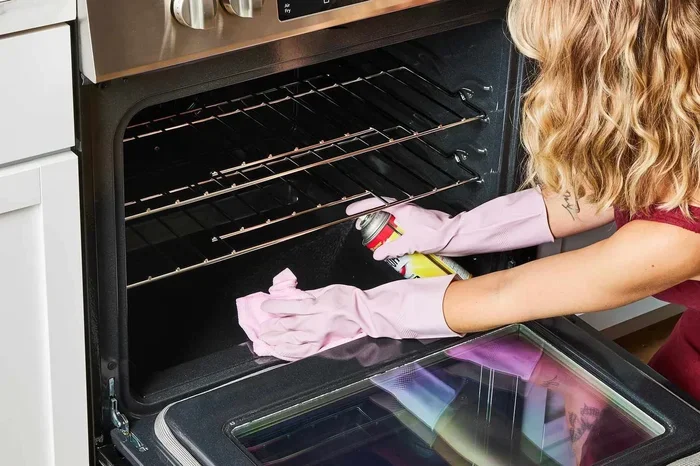
Wear gloves. Chemical oven cleaners can irritate your skin. A simple pair of rubber gloves protects your hands during the cleaning process and the rinse phase.
Never mix different cleaning products. Mixing chemicals can create dangerous reactions. Stick to one cleaner per session and rinse thoroughly before using any other product.
Keep children and pets away. Chemical fumes are harmful to little ones and animals. Keep your kitchen off-limits until the fumes have cleared completely.
Use a flashlight. Shine a flashlight inside the oven at a low angle. This reveals residue and grime that you might miss in normal lighting.
Replace oven filters if applicable. Some ovens have grease filters that absorb chemical fumes. Check yours and replace it if it looks dirty or smells like cleaner.
When to Call a Professional for Oven Cleaning
Sometimes, despite your best efforts, the job is just too much. If your oven has not been cleaned in years, or if there is heavy carbon buildup, a professional might be the right choice.
Professional oven cleaning services use industrial-grade tools and techniques. They can handle even the most stubborn grease and grime. Many services also offer chemical-free options, which is a great choice if you are concerned about residue.
Look for services that are insured and experienced with your specific oven type. Whether you have a standard gas oven, an electric oven, or a convection model, a professional can tailor their approach to your appliance.
Conclusion
Cleaning your oven with chemicals is effective, but it is only half the job. The steps you take afterward are just as important. Proper ventilation, thorough rinsing, and a final wipe-down ensure your oven is safe, fresh, and ready for cooking.
Remember to wait before turning the oven back on. Trust your senses and do the smell and touch test. These small habits make a big difference in keeping your kitchen healthy and your food tasting great.
What to do after cleaning oven with chemicals comes down to one simple principle: remove every trace of the cleaner before you cook. Follow the steps in this guide, and you will never have to worry about chemical residue again. Your oven will thank you, and so will your family.
Take a few extra minutes after each cleaning session. Your future self will appreciate the effort every time you open the oven door and smell nothing but the anticipation of a great meal.
Frequently Asked Questions
How long should I wait before using my oven after chemical cleaning?
Wait at least 30 minutes after your final wipe-down before turning the oven on. This allows any remaining fumes and moisture to dissipate. For extra safety, you can run a blank oven cycle at 200 degrees Fahrenheit for 15 minutes with the door open.
Can chemical oven cleaner residue affect the taste of food?
Yes, it absolutely can. Chemical residue left on oven walls can transfer to food during cooking and alter the taste. This is why thorough rinsing and wiping are essential steps after any chemical oven cleaning session.
Are there safer alternatives to chemical oven cleaners?
Yes, baking soda, white vinegar, and lemon steam cleaning are all safe and effective alternatives. These natural methods work well for routine maintenance and light to moderate grease buildup. Save chemical cleaners for tough, stubborn stains that natural methods cannot handle.
What should I do if I accidentally inhale too many oven cleaner fumes?
Move to fresh air immediately and breathe slowly. If symptoms like dizziness, coughing, or throat irritation persist, seek medical attention. Always ventilate your kitchen well before and during the use of chemical oven cleaners.
How often should I deep clean my oven with chemicals?
Most households benefit from a deep clean every three to six months. For lighter maintenance, use natural methods like baking soda paste or vinegar spray every two to four weeks. This reduces the need for harsh chemicals and keeps your oven in good condition.
Is it safe to use chemical oven cleaner in a self-cleaning oven?
No, it is not safe. Self-cleaning ovens use extreme heat to burn off residue, and chemical cleaners can damage the interior coating. Always refer to your oven manufacturer’s guidelines before using any cleaning product inside the oven.
=== CONCLUSION ===
What to do after cleaning oven with chemicals safely comes down to a few simple but essential steps. Ventilate your kitchen, rinse thoroughly, wipe multiple times, and always wait before cooking. These practices protect your health, your food, and your appliance.
Use natural methods for everyday maintenance and reserve chemical cleaners for deep cleans only. Store all cleaning products safely and keep them away from children and pets. With the right approach, your oven will stay clean, fresh, and ready for every meal you prepare.
Take these tips to heart and make them part of your kitchen routine. A clean, safe oven is the foundation of great cooking. Start today and enjoy the peace of mind that comes with knowing your kitchen is truly clean.