How To Clean Butter Out Of Oven With These Easy Tips
How To Clean Butter Out Of Oven is much simpler than most people think. Whether you are dealing with a fresh butter spill or stubborn baked-on grease, the right method gets the job done fast. This guide covers easy household solutions, effective tools, and step-by-step instructions. You will learn how to restore your oven to a like-new condition without harsh chemicals. Follow these tips for a clean, fresh-smelling oven every time.
Have you ever opened your oven and found a mess of melted butter staring back at you? It happens to the best of us. Whether you were baking cookies, cooking a roast, or simply reheating food, butter spills are a common kitchen problem. The good news is that how to clean butter out of oven does not have to be a difficult chore. With the right approach, you can remove grease stains and baked-on butter without spending hours scrubbing. This guide walks you through every step, from quick fixes to deep cleaning methods. You will find practical tips, household solutions, and expert advice that actually work.
Butter is one of the most popular cooking fats in kitchens around the world. It adds flavor, moisture, and richness to countless recipes. But when it drips or spills inside your oven, it creates a sticky, greasy mess. Over time, this residue builds up and becomes harder to remove. The butter can also smoke and produce unpleasant odors during future cooking sessions. That is why learning the proper oven cleaning techniques matters. A clean oven cooks food better, smells fresher, and lasts longer. Let us dive into the easiest and most effective ways to handle butter spills and grease buildup.
Key Takeaways
- Baking soda and vinegar are your best friends: These household items create a powerful, natural cleaning solution for removing butter and grease from oven surfaces.
- Heat and steam loosen baked-on butter: Using warm water or steam before scrubbing softens hardened grease and makes cleaning much easier.
- Regular oven maintenance prevents buildup: Wiping up spills quickly and doing light cleaning after each use keeps your oven in great shape.
- Avoid harsh chemicals when possible: Natural cleaners are safer for your family, your oven, and the environment.
- Remove oven racks and trays first: Cleaning these parts separately gives you better access and more thorough results.
- Patience is key for tough stains: Letting your cleaning solution sit for 15 to 30 minutes breaks down stubborn butter residue effectively.
📑 Table of Contents
- Why Butter Spills Happen and Why They Are So Sticky
- How To Clean Butter Out Of Oven: Step-by-Step Methods
- Cleaning Oven Racks and Trays After a Butter Spill
- Common Mistakes to Avoid When Cleaning Butter From Your Oven
- Quick Tips for Everyday Oven Maintenance
- Natural and Safe Cleaning Alternatives for Your Kitchen
- Comparing Cleaning Methods: Which One Works Best?
- Final Thoughts on Keeping Your Oven Butter-Free
Why Butter Spills Happen and Why They Are So Sticky
Understanding why butter makes such a mess inside your oven helps you prevent future spills. Butter contains both fat and water. When it heats up, the water evaporates and the fat remains. This fat sticks to oven surfaces and hardens over time. The result is a greasy film that is tough to wipe away with just a damp cloth. Baked-on butter is especially stubborn because repeated heating causes it to bond with the oven surface.
Several common situations lead to butter spills. Overfilled baking dishes, uncovered foods, and high cooking temperatures all increase the chance of a mess. Roasting vegetables in butter, baking pastries, and cooking meat with butter-based marinades are frequent culprits. Even melting butter on the stovetop and transferring it to a dish can cause drips. The key is to act quickly when a spill happens. The longer butter sits in the oven, the harder it becomes to clean.
Preventing Butter Spills Before They Happen
Prevention is always easier than cleaning. Here are a few simple steps to reduce butter spills in your oven:
- Use a baking dish or tray with raised edges to catch drips.
- Place a sheet of aluminum foil or parchment paper on the oven floor below your dish.
- Avoid overfilling pans with butter-based foods.
- Cover dishes with foil when cooking at high temperatures.
- Remove dishes carefully and use a spatula to minimize drips.
Taking these small precautions saves you a lot of oven maintenance time later. But if a spill does happen, do not worry. There are many effective ways to handle it.
How To Clean Butter Out Of Oven: Step-by-Step Methods
Now let us get to the heart of the matter. There are several proven methods for how to clean butter out of oven. Each method works well for different levels of buildup. You can choose the one that suits your needs and the tools you have on hand.
Method 1: The Baking Soda and Vinegar Solution
This is one of the most popular cleaning hacks for oven grease. Baking soda is a gentle abrasive that lifts dirt, and vinegar helps dissolve grease. Together, they create a fizzy reaction that breaks down baked-on butter. Here is how to do it:
- Remove the oven racks and any removable trays.
- Mix three tablespoons of baking soda with one tablespoon of water to form a paste.
- Spread the paste evenly over the greasy areas inside the oven. Avoid the heating elements.
- Let the paste sit for at least 30 minutes or overnight for tough stains.
- Spray or drizzle white vinegar over the baking soda paste.
- Wait for the fizzing to stop, then wipe away the mixture with a damp cloth.
- Rinse the interior with clean water and dry with a microfiber cloth.
This method works great for light to moderate grease stains. It is safe, non-toxic, and leaves your oven smelling fresh. For best results, repeat the process if any greasy spots remain.
Method 2: Hot Water and Dish Soap Soak
For fresh butter spills that have not hardened yet, hot water and dish soap often do the trick. The heat softens the butter, and the soap breaks down the grease. Follow these steps:
- Place the oven racks and trays in a sink or bathtub filled with hot, soapy water.
- Let them soak for 20 to 30 minutes.
- While they soak, wipe down the oven interior with a damp cloth soaked in hot soapy water.
- Use a non-abrasive sponge to scrub any remaining grease.
- Rinse everything thoroughly with clean water and dry completely before reinserting.
This easy oven cleaning method is perfect for regular maintenance. It keeps grease from building up and makes deep cleaning sessions less frequent.
Method 3: Steam Cleaning for Stubborn Butter Residue
Steam cleaning is a gentle yet effective way to loosen baked-on butter. The steam softens the grease without harsh chemicals. Here is how to do it:
- Fill a small oven-safe bowl with water and add a few slices of lemon or a splash of vinegar.
- Place the bowl on the oven tray or floor.
- Heat the oven to 200°F (about 93°C) and let it run for 15 to 20 minutes.
- Turn off the oven and leave the door closed for another 10 minutes.
- Remove the bowl carefully and wipe down the interior with a damp cloth.
- The steam will have loosened the grease, making it easy to wipe away.
Steam cleaning is an excellent choice for grease removal without strong odors. It also works well for food residue and light butter spills. Many homeowners use this method as part of their regular kitchen cleaning routine.
Method 4: Using a Commercial Oven Cleaner
For really tough, baked-on butter stains, a commercial oven cleaner may be necessary. These products are designed specifically for heavy grease and baked-on food. Here is what you need to know:
- Choose an oven cleaner spray that is designed for your oven type (conventional or self-cleaning).
- Always follow the manufacturer’s instructions carefully.
- Wear gloves and work in a well-ventilated area.
- Spray the cleaner on the greasy areas, avoiding the heating elements.
- Let the cleaner sit for the recommended time, usually 15 to 30 minutes.
- Wipe away the cleaner and grease with a damp cloth or sponge.
- Rinse the interior thoroughly with clean water and dry completely.
Commercial oven cleaners are effective but should be used sparingly. The chemicals can leave a residue or strong smell if not rinsed properly. Always ventilate your kitchen during and after use. For a safer alternative, try using a natural degreaser made from plant-based ingredients.
Cleaning Oven Racks and Trays After a Butter Spill
Oven racks and trays often take the hardest hit from butter spills. Cleaning them separately gives you better access and more thorough results. Here are the best approaches for oven racks and trays:
Soaking Method for Oven Racks
The soaking method works wonders on greasy oven racks. Fill your bathtub or a large sink with hot water and add a generous amount of dish soap. Submerge the racks completely and let them soak for at least one hour. For baked-on butter, add two tablespoons of baking soda to the water. After soaking, use a non-abrasive scrub brush to remove the grease. Rinse with clean water and dry thoroughly before placing them back in the oven.
Baking Soda Paste for Stubborn Grease on Trays
For oven trays with hardened butter, make a thick baking soda paste. Apply it to the greasy spots and let it sit for 20 to 30 minutes. Scrub gently with a sponge or soft brush. The paste will lift the grease without scratching the surface. Rinse well and dry completely. This method is one of the most reliable grease removal techniques for oven trays.
Using a Dishwasher for Removable Parts
If your oven racks and trays are dishwasher-safe, the dishwasher can handle light to moderate grease. Place them on the top rack and run a hot cycle. For heavy butter buildup, pre-soak them in hot soapy water for 30 minutes before loading them into the dishwasher. This extra step ensures better results and prevents grease from spreading to other dishes.
Common Mistakes to Avoid When Cleaning Butter From Your Oven
Even with the best intentions, people often make mistakes that can damage their oven or make the cleaning process harder. Here are the most common errors to avoid:
- Using abrasive scrubbers on oven surfaces: Steel wool and harsh scrub pads can scratch the enamel or coating inside your oven. Always use soft sponges or microfiber cloths.
- Skipping the rinse step: Leaving cleaning residue behind can create smoke or odors during your next cooking session. Always rinse thoroughly with clean water.
- Using too much water on electrical parts: Never let water touch the heating elements, electrical connections, or control panels. This can cause damage or safety hazards.
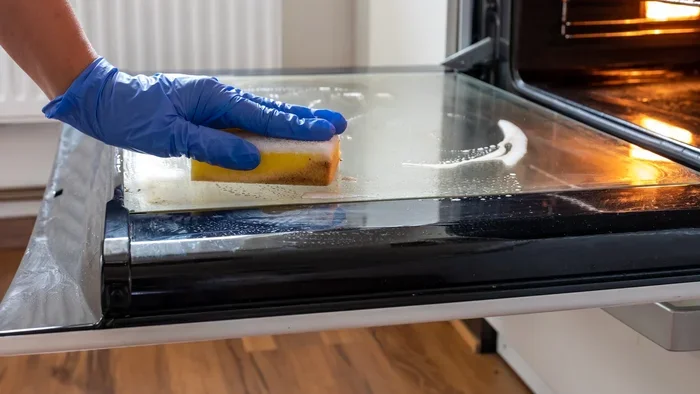
- Ignoring the oven door and glass: Butter spills often land on the oven door glass. Clean this area with a mixture of baking soda and water for streak-free results.
- Not cleaning up spills right away: The longer butter sits, the harder it bonds to the surface. Wipe up spills as soon as the oven cools down.
- Using too much commercial cleaner: Overusing chemical cleaners can leave a residue that affects the taste of your food. Stick to the recommended amount and rinse well.
Avoiding these mistakes keeps your oven in great condition and makes future cleaning much easier. A little care goes a long way in maintaining a clean and safe cooking environment.
Quick Tips for Everyday Oven Maintenance
Keeping your oven clean does not have to be a big project. A little regular maintenance prevents grease buildup and makes how to clean butter out of oven tasks much simpler. Here are some quick tips you can follow after every cooking session:
- Place a baking sheet or aluminum foil on the oven floor to catch drips and spills.
- Wipe up any butter spills immediately after removing your dish, while the oven is still warm.
- Keep a small spray bottle of vinegar and water solution in your kitchen for quick wipe-downs.
- Check your oven racks and trays monthly for grease buildup and clean them as needed.
- Run a steam cleaning session once a month to prevent hardened grease from forming.
- Use oven-safe cooking mats on trays to prevent butter and food from touching the surface directly.
These small habits save you a lot of time and effort in the long run. Oven maintenance does not need to be complicated. A few minutes of care after each use keeps your oven looking and working its best.
When to Call a Professional for Deep Oven Cleaning
Sometimes, despite your best efforts, the grease and butter buildup is just too much. If your oven has not been cleaned in a long time or if the grease is deeply baked on, it may be time to call in a professional. Professional oven cleaning services have specialized tools and industrial-strength cleaners that can handle even the toughest grease stains. They can also reach areas that are hard to access, such as behind heating elements and inside vents. Consider hiring a professional if you notice persistent odors, visible smoke during cooking, or if your oven is not heating evenly due to grease buildup.
Natural and Safe Cleaning Alternatives for Your Kitchen
Many homeowners prefer to avoid harsh chemicals in their kitchen cleaning routine. The good news is that several natural alternatives work just as well for removing butter and grease from your oven. Here are some safe and eco-friendly options:
- Lemon juice: The acid in lemon juice breaks down grease naturally. Add lemon slices to hot water and use the steam to loosen butter residue.
- Castile soap: This plant-based soap is gentle yet effective for cutting through grease. Mix a few drops with warm water for a natural degreaser.
- Cornstarch: Sprinkle cornstarch on greasy spots and let it sit for 15 minutes. It absorbs the oil and makes wiping much easier.
- Salt and baking soda: This combination creates a mildly abrasive paste that lifts grease without scratching surfaces.
- Essential oils: A few drops of tea tree oil or lavender oil added to your cleaning solution provide a pleasant scent and have mild antibacterial properties.
These natural alternatives are safe for your family, your pets, and your oven. They also reduce the number of chemicals released into your home. Switching to natural cleaning hacks is a simple step toward a healthier kitchen environment.
Comparing Cleaning Methods: Which One Works Best?
With so many methods available, it can be hard to know which one to choose. Here is a quick comparison of the most popular approaches for removing butter from your oven:
| Method | Best For | Time Needed | Eco-Friendly |
|---|---|---|---|
| Baking Soda and Vinegar | Light to moderate grease | 30 minutes to 1 hour | Yes |
| Hot Water and Dish Soap | Fresh butter spills | 20 to 30 minutes | Yes |
| Steam Cleaning | Baked-on butter and grease | 30 to 45 minutes | Yes |
| Commercial Oven Cleaner | Heavy, stubborn grease buildup | 30 to 60 minutes | No |
| Natural Alternatives (Lemon, Soap) | Light maintenance and fresh spills | 15 to 30 minutes | Yes |
Each method has its strengths. For routine cleaning, the baking soda and vinegar solution or hot water and soap method works perfectly. For deep cleaning, steam cleaning or a commercial cleaner gets the job done. You can also combine methods for the best results. Start with steam to loosen the grease, then apply the baking soda paste for thorough grease removal.
Final Thoughts on Keeping Your Oven Butter-Free
Learning how to clean butter out of oven is a valuable skill for every home cook. Butter spills happen to everyone, but with the right techniques, they are easy to handle. The baking soda and vinegar method, steam cleaning, and hot soapy water soaks all work well for different situations. The key is to act quickly, use the right tools, and maintain a regular cleaning routine.
Remember that prevention plays a huge role in keeping your oven clean. Simple habits like using baking sheets, wiping spills promptly, and doing light maintenance after each use make a big difference. Your oven will cook better, smell fresher, and last longer when you take care of it properly. Start with the method that suits your needs today, and you will have a spotless oven in no time.
Do not let butter spills ruin your cooking experience. With these easy tips and practical steps, you have everything you need to keep your oven clean and in top shape. Happy cooking and happy cleaning!
Frequently Asked Questions
Can I use the same method to clean butter out of a gas oven?
Yes, the methods described in this guide work for both gas and electric ovens. Just make sure to avoid spraying liquid directly onto the gas burners or igniters. For gas ovens, focus on cleaning the interior walls and the oven floor. Steam cleaning and baking soda paste are especially safe for gas ovens since they do not involve harsh chemicals near the ignition system.
How long should I let the baking soda paste sit before wiping it away?
For light grease stains, 15 to 20 minutes is usually enough. For baked-on butter or heavy grease buildup, let the paste sit for at least 30 minutes or even overnight. The longer the paste sits, the more it breaks down the grease. This extra soaking time makes the wiping and scrubbing process much easier and more effective.
Is it safe to use vinegar inside the oven?
Yes, white vinegar is safe and effective for oven cleaning. It is a natural acid that dissolves grease and cuts through butter residue without damaging oven surfaces. Just avoid using vinegar on self-cleaning ovens during the self-cleaning cycle, as the high heat can create strong fumes. Use vinegar as part of a room-temperature cleaning routine for the best results.
What should I do if the butter has already turned brown and burnt inside the oven?
Burnt butter requires a bit more effort. Start with steam cleaning to soften the residue, then apply a thick baking soda paste and let it sit for at least one hour. For stubborn burnt spots, you can use a commercial oven cleaner following the product instructions. A paste made from baking soda and a small amount of hydrogen peroxide can also help lift burnt butter stains safely.
How often should I deep clean my oven to prevent butter buildup?
A deep cleaning session every one to three months is ideal for most home cooks. If you cook with butter frequently, you may want to clean your oven more often. In between deep cleanings, do quick wipe-downs after any spills and run a steam cleaning session monthly. This routine keeps grease from building up and makes each cleaning session faster and easier.
Can I clean butter out of my oven without using any chemicals?
Absolutely. The baking soda and vinegar method, steam cleaning, and hot soapy water soaks are all chemical-free approaches. Lemon juice, cornstarch, and castile soap are also natural alternatives that work well for grease removal. These methods are safe, effective, and perfect for households that prefer to avoid commercial cleaning products.
=== CONCLUSION ===
How To Clean Butter Out Of Oven does not have to be a stressful or time-consuming task. With the right knowledge and a few simple household items, you can tackle any butter spill or grease buildup with confidence. From the quick baking soda and vinegar solution to the deep-cleaning power of steam, you now have multiple effective methods at your fingertips. Remember to clean up spills promptly, maintain your oven regularly, and choose the cleaning method that fits your needs best.
These tips work for all oven types and grease levels. Whether you are dealing with a fresh butter spill or years of built-up grease, there is a solution that works. Start applying these methods today, and you will enjoy a cleaner, fresher, and more efficient oven for all your cooking adventures. A little effort goes a long way in keeping your oven in top condition. Happy cleaning!