How To Use Oven To Bake Perfect Dishes Every Single Time
Learning how to use oven to bake is the foundation of great home cooking. This guide covers everything from preheating and temperature settings to rack positioning and timing. You will discover simple tips that help you bake evenly and avoid common mistakes. Whether you are a beginner or want to sharpen your skills, these baking tips will transform your results. Follow along and start baking perfect dishes every time.
There is something truly magical about pulling a golden, perfectly baked dish out of the oven. The smell fills your kitchen, the colors look beautiful, and you know you did it right. But here is the truth many people learn the hard way. Using an oven to bake is not just about turning a dial and waiting. It involves a mix of science, technique, and a few smart habits that anyone can build.
If you have ever wondered why your cookies burn on the edges but stay raw in the middle, or why your cake sinks after coming out of the oven, the answer usually comes down to one thing. You are not getting the most out of your oven. Learning how to use oven to bake properly changes everything. In this guide, we will walk you through every essential step. From preheating and temperature settings to rack positioning and baking time, you will find clear, practical advice that works every single time.
We will also cover the tools you need, the mistakes to avoid, and real troubleshooting tips for when things do not go as planned. Whether you bake once a month or every weekend, this article will help you level up. Let us get started.
Key Takeaways
- Always Preheat Your Oven: Preheating ensures your food starts cooking at the right temperature from the very first minute.
- Rack Position Changes Everything: Placing your dish on the correct oven rack promotes even baking and proper browning.
- Use an Oven Thermometer: Many ovens run hot or cold, so a simple baking thermometer can make a huge difference.
- Avoid Opening the Door Too Often: Every peek drops the temperature and can ruin your bake time and texture.
- Rotate Your Dishes Halfway: This simple step helps bake evenly and prevents hot spots from affecting your food.
- Know Your Oven Type: Convection ovens and conventional ovens behave differently, and understanding this changes your results.
- Invest in the Right Tools: Oven-safe dishes, baking sheets, and proper oven mitts keep you safe and your food perfect.
📑 Table of Contents
Understanding Your Oven
Before you start baking, you need to understand the tool you are working with. Ovens are not all the same, and knowing how yours works gives you a big advantage. Take a few minutes to get familiar with the basics. This simple step saves time, food, and frustration later on.
Types of Ovens You Might Have
Most homes have one of two main types. A conventional oven uses heating elements at the top and bottom to create heat. Heat rises naturally, which can sometimes create warm and cool spots inside the oven. A convection oven, on the other hand, uses a fan to circulate hot air around the food. This means more even heat distribution and often faster baking times.
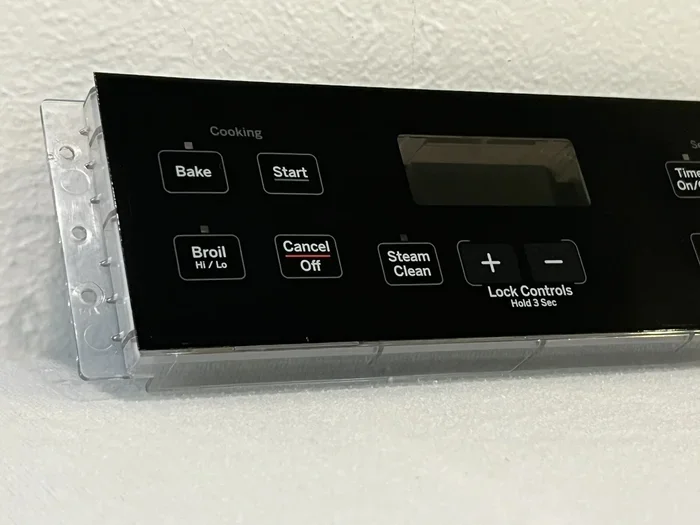
Some ovens are combination models. They let you switch between conventional and convection modes. If you are not sure which type you have, check your oven manual or look for a fan setting on the control panel. Knowing this difference matters because it changes how you set temperature and bake time.
Why Preheating Your Oven Is Non-Negotiable
Preheating is one of the most important steps in baking basics. When you place food into a cold oven, it starts cooking slowly and unevenly. This affects texture, rise, and overall quality. Preheating gives your oven time to reach the target oven temperature before your food goes in.
Most recipes tell you to preheat for 10 to 15 minutes. Do not skip this step. A preheated oven ensures your food begins cooking the moment it enters the cavity. For bread, pastries, and anything that relies on a quick burst of heat, this step is absolutely essential.
Here is a quick tip. Use an oven thermometer to check if your oven reaches the correct temperature. Many ovens run a few degrees off, and you might not even know it. This small tool is a game changer for anyone serious about baking.
Essential Baking Tools and Equipment
You do not need a lot of fancy tools to bake well. But having the right basics makes a noticeable difference. Let us look at what you should have in your kitchen before you start.
Choosing the Right Baking Pan
The pan you use affects how your food bakes. Oven-safe dishes are designed to handle high heat without cracking or warping. Glass pans, metal pans, and ceramic dishes all behave differently inside the oven.
Metal pans heat up quickly and promote browning. They are great for cookies, cakes, and roasted vegetables. Glass pans take longer to heat but retain heat well, which can be useful for certain casseroles. Ceramic dishes distribute heat evenly and are perfect for baked pasta or gratins. Always check that your pan is labeled oven safe before using it.
Must-Have Accessories for Better Baking
A few simple accessories can elevate your baking results significantly. Here are the ones worth having:
- Oven mitts: Protect your hands from burns when handling hot pans and trays.
- Baking sheets: These are essential for cookies, pastries, and anything you want to bake on a flat surface.
- A baking thermometer: This helps you verify that your oven is at the right temperature.
- Parchment paper: It prevents sticking and makes cleanup a breeze.
- A wire cooling rack: It lets air circulate around your baked goods so the bottom does not get soggy.
You do not need all of these at once. Start with the basics and add tools as you grow more confident in your baking skills.
Setting the Right Temperature and Time
Temperature and bake time are the two most important factors in any recipe. Get these right, and your food turns out perfectly. Get them wrong, and you end up with undercooked or burnt results. Let us break this down.
Understanding Oven Temperature Settings
Most baking recipes call for specific temperatures. Common ones include 350°F (175°C), 375°F (190°C), and 425°F (220°C). Each temperature serves a different purpose. Lower temperatures work well for delicate items like custards and gentle cheesecakes. Higher temperatures create a strong rise and a crispy exterior on breads and pastries.
When you set your oven, make sure you are using the correct scale. Some ovens display temperature in Fahrenheit, while others use Celsius. Using the wrong scale can completely throw off your baking results. If your oven has a convection setting, you may need to lower the temperature by about 25°F, since the fan circulates heat more efficiently.
How to Know When Baking Time Is Right
Bake time varies depending on what you are making, the size of your dish, and your oven’s performance. A small batch of cupcakes might need only 15 to 18 minutes, while a large lasagna could take 45 minutes or more.
The best way to check if your food is done is to use visual and sensory cues. Look for even browning on top. Check that the center is set by inserting a toothpick or knife. If it comes out clean, your baked dish is likely done. For meats and casseroles, an internal food thermometer can confirm the correct temperature.
Set a timer, but do not rely on it blindly. Ovens vary, and your first few attempts at a new recipe will help you learn exactly how your oven behaves. Keep notes if you need to.
Tips for Baking Perfectly Every Time
Even experienced bakers rely on a few tried-and-true habits. These small practices make a huge impact on the quality of your oven-baked dishes. Let us go through the ones that matter most.
Rack Positioning for Even Results
Where you place your dish inside the oven matters more than most people realize. The middle rack is usually the best spot for even baking. It allows hot air to circulate around the food evenly from all sides.
If you place your dish too close to the top, the top may burn before the inside is cooked. If it is too close to the bottom, the bottom can over-brown or burn. For cookies and pastries, the middle rack is your best friend. For dishes that need a crispy top, move them to the upper third of the oven for the last few minutes of bake time.
Rotating Your Dishes Halfway Through
Most ovens have hot spots. These are areas where the heat is stronger or weaker than the rest. Rotating your dish halfway through the baking process helps compensate for this. Simply turn the pan 180 degrees about midway through the bake time.
This one habit can dramatically improve how evenly your food bakes. It takes just a few seconds and makes a real difference. Use oven mitts when you do this to protect your hands from the heat.
Do Not Overcrowd the Oven
It can be tempting to bake multiple trays at once, especially when you are cooking for a crowd. But overcrowding blocks airflow and leads to uneven results. Leave space between pans so hot air can move freely around each dish.
If you need to bake multiple trays, rotate them between racks halfway through. This ensures everything gets equal exposure to the heat. Patience here pays off with better baking results.
Common Baking Mistakes to Avoid
Everyone makes mistakes in the kitchen, especially when they are learning how to use oven to bake. The good news is that most common errors are easy to avoid once you know what they are.
Opening the Oven Door Too Often
Every time you open the oven door, you let out a significant amount of heat. This causes the temperature to drop, which can affect how your food rises and cooks. For delicate items like soufflés, cakes, and meringues, this can be especially damaging.
Instead of opening the door to check on your food, use the oven light to look through the glass. If you must open the door, do it quickly and avoid lingering. Trust your timer and your senses before reaching for the handle.
Skipping the Calibration Step
Over time, ovens can drift from their set temperature. An oven that runs 25 degrees too hot will burn the outside of your food while leaving the inside undercooked. An oven that runs too cool will leave your baked goods dense and underdone.
Use an oven thermometer to check the actual temperature inside your oven. If it is off, you can adjust your settings accordingly. Some ovens have a calibration feature that lets you correct the temperature offset. This is one of the best baking tips for consistent results.
Using the Wrong Pan Size
Using a pan that is too large or too small changes the bake time and the final result. A too-large pan means the batter spreads thin and may overcook. A too-small pan causes the batter to overflow or cook unevenly.
Always follow the pan size recommended in the recipe. If you must substitute, adjust the baking time accordingly and keep a close eye on your food as it cooks.
Troubleshooting Common Oven Baking Issues
Even with the best preparation, things do not always go as planned. Here are some common issues and how to fix them.
Your Food Is Baking Unevenly
If your dish comes out with some parts overcooked and others undercooked, you likely have a hot spot issue. Try rotating your pan halfway through the baking time. You can also place an empty baking sheet on a lower rack to absorb excess heat from the top element.
If the problem persists, consider investing in an oven thermometer to rule out temperature inaccuracies. Sometimes the fix is as simple as adjusting where you place your dish on the rack.
Your Baked Goods Are Overcooked on the Outside
This usually happens when the oven temperature is too high. Your oven might be running hotter than what the dial shows. Use an oven thermometer to verify the actual temperature and adjust down if needed.
You can also try lowering the temperature by 25°F and extending the bake time slightly. This gentler approach often produces better results, especially for cakes and delicate pastries.
Your Food Comes Out Undercooked in the Middle
An undercooked center is often caused by an oven that is too cool or by opening the door too frequently during baking. Make sure your oven has fully preheated before placing your dish inside. Avoid peeking too often, and set a reliable timer.
If your oven runs consistently cool, you may need to increase the temperature slightly or extend the bake time by a few minutes. An oven thermometer helps you identify this issue quickly.
Final Thoughts on Using Your Oven for Baking
Mastering how to use oven to bake is a rewarding journey. It does not happen overnight, but with the right knowledge and a bit of practice, anyone can improve their results. Start by understanding your oven type, always preheat properly, and pay attention to rack positioning and bake time.
Use the right tools, avoid the common mistakes we discussed, and troubleshoot problems as they come up. Each time you bake, you will learn something new about how your oven works and how to get the best results from it. Baking is both a science and an art, and the more you practice, the more confident you will become.
So go ahead. Preheat your oven, pick a recipe you love, and put these tips into action. You will be surprised at how much better your baked dishes turn out. Happy baking!
Frequently Asked Questions
What is the best oven temperature for baking a cake?
Most cake recipes call for an oven temperature of 350°F (175°C). This moderate heat allows the cake to rise evenly and develop a soft, tender crumb. Always preheat your oven before placing the cake inside, and avoid opening the door frequently during the bake time.
How long should I preheat my oven before baking?
Most ovens need 10 to 15 minutes to reach the correct oven temperature. Some larger or older models may take a bit longer. Using an oven thermometer can help you confirm that your oven is fully preheated and ready for baking.
Should I use convection mode for baking?
Convection mode circulates hot air with a fan, which promotes even heat distribution and can reduce bake time by about 25%. However, some delicate recipes like soufflés or custards may not benefit from the fan. Check your recipe and adjust the temperature down by 25°F when using convection mode.
Why does my bread burn on the top but stay raw inside?
This usually happens when the oven temperature is too high or the dish is placed too close to the top heating element. Try lowering the temperature by 25°F and moving your bread to the middle rack. An oven thermometer can help you verify if your oven is running hot.
Can I use a glass baking dish in the oven?
Yes, but only if the dish is labeled oven safe. Glass pans heat up more slowly than metal pans and retain heat longer. This can extend your bake time slightly, so keep an eye on your food and adjust accordingly.
How do I know if my oven is calibrated correctly?
Place an oven thermometer inside your oven and compare the reading to the set temperature. If there is a difference of more than 15 to 25 degrees, your oven may need recalibration. Many modern ovens have a calibration setting that lets you correct this offset for better baking results.
=== CONCLUSION ===
Learning how to use oven to bake is one of the most valuable skills you can build in the kitchen. From preheating and choosing the right oven-safe dishes to mastering rack positioning and avoiding common mistakes, every detail matters. The tips and tricks in this guide give you a strong foundation for consistent, delicious baked dishes.
Remember to use an oven thermometer, rotate your pans, and never skip the preheat step. These small habits add up to big improvements in your baking results. With practice and patience, you will bake with confidence and enjoy perfect dishes every single time. Now it is your turn to get in the kitchen and start baking.