How Long Do You Put Cookies In The Oven for Best Results
Learning the right bake time for cookies makes all the difference between perfect and disappointing results. Most cookies need 10 to 12 minutes at 350°F, but the exact bake time depends on cookie size, dough type, and your oven. This guide covers everything you need to know about how long do you put cookies in the oven, including temperature settings, common mistakes, and expert tips for golden-brown cookies every time.
There is nothing better than pulling a tray of fresh cookies out of the oven. The smell fills your kitchen. The edges turn golden brown. And you know you are about to enjoy something amazing. But here is the thing many people get wrong. How long do you put cookies in the oven? The answer is not as simple as you might think. Bake time depends on many factors. It depends on the type of cookie. It depends on the size. It depends on your oven. In this guide, we will walk you through everything you need to know. You will learn the right bake time for different cookies. You will learn how to avoid overbaking. And you will walk away with the confidence to bake perfect cookies every single time.
Baking cookies at home is one of the most fun things you can do. But getting the cookie temperature and timing just right takes a little know-how. Some people pull their cookies out too early. Others leave them in too long. Both mistakes lead to disappointing results. The good news is that once you understand the basics, it becomes second nature. This article covers oven temperature, bake time, cookie size, dough type, and much more. So grab a cup of coffee and let us dive in.
Key Takeaways
- Standard bake time: Most cookies need 10 to 12 minutes at 350°F for the best results.
- Cookie size matters: Smaller cookies bake faster, while larger or thicker cookies need more time.
- Use an oven thermometer: Many ovens run hot or cold, so verifying temperature ensures even baking.
- Watch for golden edges: Pull cookies out when edges are golden but centers still look soft for perfect texture.
- Account for carryover baking: Cookies continue cooking on the hot tray after removal, so timing is critical.
- Avoid common mistakes: Overbaking, underbaking, ignoring hot spots, and skipping parchment paper all hurt results.
- Adjust for your oven type: Convection ovens need lower temperatures and shorter bake times than conventional ovens.
📑 Table of Contents
The Perfect Cookie Bake Time
When it comes to how long do you put cookies in the oven, there is a general rule. Most cookies bake at 350°F for about 10 to 12 minutes. But this is just the starting point. Different cookies need different amounts of time. A thin butter cookie might need only 8 minutes. A thick chocolate chip cookie might need 14 minutes. The key is to understand what is happening inside the oven. Heat spreads through the dough. The butter melts. The baking soda or baking powder creates air pockets. And the edges set while the center stays soft.
Standard Bake Time for Most Cookie Recipes
For a standard cookie recipe at 350°F, here is what you can expect:
- Thin cookies: 8 to 10 minutes
- Medium cookies: 10 to 12 minutes
- Thick or chunky cookies: 12 to 15 minutes
- Sugar cookies: 8 to 11 minutes
- Shortbread cookies: 10 to 14 minutes
- Oatmeal raisin cookies: 10 to 13 minutes
- Snickerdoodles: 8 to 10 minutes
These times are guidelines. Your actual bake time may vary. Always start checking a few minutes early. Use your senses. Look at the color. Listen for any changes. And yes, smell matters too. A cookie that smells toasted is probably close to done. Every oven is different. Even the same model can behave differently from batch to batch. That is why learning to read the cookies is more important than following a timer blindly.
How to Tell When Cookies Are Done
Knowing when to pull cookies out is just as important as knowing the oven bake time. Here are the signs to watch for:
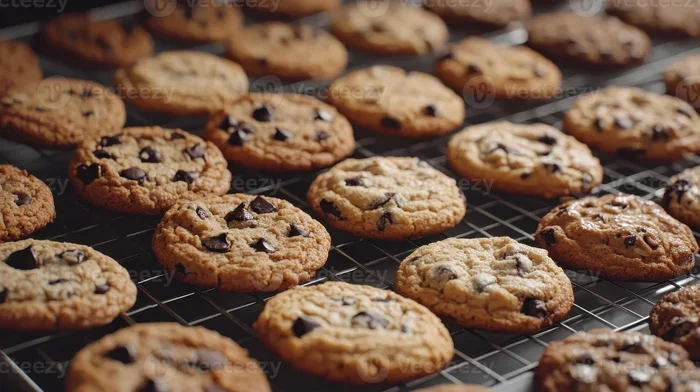
- The cookie edges turn golden brown.
- The tops look set and slightly firm.
- The centers still look a little soft.
- The cookies hold their shape on the baking tray.
- You can gently touch the center without it feeling raw.
Remember that cookies continue to cook on the hot cookie sheet after you take them out. This is called carryover baking. So if you wait until the cookies look fully done in the oven, they will be overdone on the cooling rack. Pull them out just before they look perfect. Trust the process. It might feel scary the first few times, but you will get used to it.
Quick Tip: Set your timer for 2 minutes less than the recipe says. Then check the cookies. You can always put them back in. But you cannot undo overbaked cookies.
| Cookie Type | Oven Temp | Bake Time | Key Visual Cue |
|---|---|---|---|
| Chocolate Chip | 350°F | 10-12 min | Golden edges, soft center |
| Sugar Cookies | 350°F | 8-11 min | Light golden, firm edges |
| Butter Cookies | 325°F | 8-10 min | Pale gold, tender |
| Oatmeal Raisin | 350°F | 10-13 min | Edges brown, center soft |
| Snickerdoodles | 350°F | 8-10 min | Flat, lightly golden |
| Macarons | 300°F | 12-15 min | Firm tops, no color |
Use this table as a quick reference when you are planning your next cookie recipe bake. Adjust times based on your oven and personal preferences. The table gives you a solid starting point, but your kitchen is the real test kitchen.
Cookie Temperature Settings
Oven temperature plays a huge role in how your cookies turn out. Too hot and they burn on the outside while staying raw inside. Too cool and they spread out into flat discs. Getting the right cookie temperature is essential for great results.
Why 350°F Is the Gold Standard
Most bakers agree that 350°F is the sweet spot for cookies. At this oven setting, the dough bakes evenly. The edges get a nice crunch while the center stays chewy. The baking soda activates properly. And the butter melts at just the right rate. This temperature works well for almost every type of cookie you can think of.
If you ever wonder why recipes keep calling for 350°F, now you know. It is not just tradition. It is science. The heat at this level creates the perfect balance between crisp edges and a soft, gooey center. This is the golden brown zone that everyone loves. It is the temperature where the baking powder and baking soda create just enough lift without pushing the dough too thin.
Adjusting Temperature for Different Cookie Types
Not all cookies are created equal. Some need lower heat. Some need higher. Here is how to adjust your oven temperature for different types:
- Delicate cookies (macarons, meringues): Lower to 300°F. These need gentle heat to set properly without cracking or browning too fast.
- Thick cookies (thick chocolate chip): Stick with 350°F. The extra thickness needs moderate heat to cook through.
- Thin crispy cookies (tuiles, lace cookies): Try 375°F. The higher heat helps them become thin and crispy quickly.
- Butter cookies: Go with 325°F. Lower heat prevents the butter from browning too much.
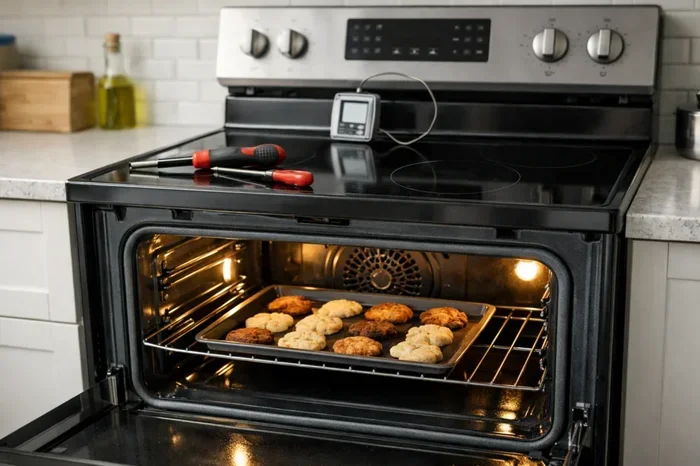
Using an oven thermometer can help you verify that your oven is actually at the right temperature. Many ovens run hot or cold without you knowing. This small tool can make a big difference in your bake time and results. A cheap oven thermometer from the store can save you from many baking disasters.
How Cookie Size Affects Baking Time
Size matters when it comes to cookies. A tiny cookie and a large cookie will not bake the same way. This is one of the most overlooked factors in how long do you put cookies in the oven. Let us break it down.
A small cookie, about 1 inch in diameter, bakes fast. It might only need 7 to 9 minutes. The heat reaches the center quickly. The edges brown fast. A medium cookie, around 2 inches, takes the standard 10 to 12 minutes. And a large cookie, 3 inches or more, can take 14 to 18 minutes.
Also think about cookie thickness. A thin, flat cookie bakes faster than a thick, doughy one. If you like thick cookies, add a minute or two to the standard bake time. The center needs more time to cook through. This is especially true for chocolate chip cookies made with a thick dough.
Spacing also matters. If you place cookies too close together on the baking tray, they will spread into each other. This changes their shape and bake time. Leave at least 2 inches between each cookie. This gives them room to spread and bake evenly. Crowded cookies can also trap steam, which leads to soggy bottoms.
The Role of Cookie Dough Temperature
Did you know that the temperature of your cookie dough affects baking time too? Cold dough takes longer to bake. Room temperature dough bakes faster. If you chill your dough before baking, add 1 to 2 minutes to the bake time. This is a great trick for thick cookies that need extra time in the center. Chilling also prevents excessive spreading, which means your cookies hold their shape better.
Many professional bakers refrigerate their cookie dough overnight. This does two things. It deepens the flavor as the ingredients meld together. And it firms up the butter, which reduces spreading during baking. The result is a thicker, chewier cookie with better cookie edges.
Common Mistakes That Ruin Your Cookies
Even experienced bakers make mistakes. The good news is that most of these errors are easy to fix. Here are the most common ones that affect your cookie baking time and results.
Overbaking
Overbaking is the number one cookie killer. When you leave cookies in the oven too long, they lose their moisture. The edges become hard and dark. The center turns dry and crumbly. Nobody wants a rock-hard cookie. To avoid this, set a timer for 2 minutes less than the recipe suggests. Check them early and often.
Remember the carryover baking effect. Cookies keep cooking after you pull them out. So taking them out early is always better than waiting too long. The cookies will firm up on the cooling rack as they lose heat. If you wait for them to look fully done in the oven, they will be overdone on the tray.
Underbaking
On the flip side, underbaking can also be a problem. If you pull cookies out too early, the center will be raw and gooey. The cookie edges will not have set properly. The cookie will fall apart when you try to pick it up. Underbaking happens when you open the oven door too often or set the timer too low.
The fix is simple. Give the cookies another minute or two. Watch for the visual cues we talked about earlier. Golden edges and a set top are your best friends.
Ignoring Oven Hot Spots
Every oven has hot spots. These are areas that run hotter than others. If you do not know where your oven’s hot spots are, your cookies may bake unevenly. One cookie might be perfectly golden while the next one is burnt. To find hot spots, place a piece of bread on a baking tray and toast it at 350°F. Watch which parts brown first. Then adjust where you place your cookie sheet accordingly.
Not Using Parchment Paper
Skipping parchment paper can lead to uneven baking. The cookie sheet directly touches the bottom of the cookie. This can cause the bottom to burn while the top stays underdone. Parchment paper creates a barrier. It promotes even heat distribution and makes cleanup a breeze. It is a small change that makes a big difference in your golden brown results.
Quick Tips for Perfect Cookies Every Time
Want to level up your cookie game? Here are some quick tips that make a huge difference:
- Use an oven thermometer. Your oven dial might not be accurate. An oven thermometer takes the guesswork out of oven settings.
- Rotate your tray halfway through. This helps cookies bake evenly, especially if your oven has hot spots.
- Line your baking tray with parchment paper. This prevents sticking and promotes even browning.
- Chill your dough for 30 minutes. Cold dough spreads less and bakes more evenly.
- Use a cookie scoop. This ensures uniform cookie size and consistent bake time across all cookies.
- Cool cookies on the tray for 5 minutes. This lets them set before you move them to a cooling rack.
- Do not crowd the tray. Leave space between cookies for proper heat circulation.
- Measure flour correctly. Spoon the flour into the measuring cup and level it off. Packed flour leads to dense cookies.
- Use fresh baking soda and baking powder. Old leaveners lose their power over time, which affects rise and bake time.
Expert Insights on Oven Baking
Understanding how your oven works can transform your baking. Let us look at some expert-level tips that take your cookies to the next level.
Convection vs. Conventional Ovens
If you have a convection oven, you need to adjust your approach. Convection ovens use a fan to circulate hot air. This means cookies bake faster and more evenly. However, they can also dry out cookies if you are not careful.
When using a convection oven, reduce the temperature by 25°F. So if a recipe calls for 350°F, set your convection oven to 325°F. Keep an eye on the bake time as well. Convection cookies often finish 2 to 3 minutes faster than in a conventional oven. The even air circulation means you do not need to rotate trays as often, which is a nice bonus.
The Importance of Rack Position
Where you place the oven rack matters more than you think. The middle rack is usually the best spot. It allows hot air to flow evenly around the cookies. The top rack can cause the tops to brown too quickly. The bottom rack can over-brown the bottoms.
If you are baking multiple trays, rotate them from top to bottom halfway through. This ensures all cookies get equal exposure to heat. It is a small step that makes a big difference in your final golden brown results. The middle position gives you the most balanced heat distribution for even bake time across the entire tray.
How Altitude Affects Cookie Baking
If you live at a high altitude, your cookie recipe may need adjustments. At higher elevations, air pressure is lower. This causes cookies to spread more and bake faster. You may need to increase the oven temperature by 15 to 25°F and reduce the bake time slightly. Adding a little extra flour can also help stabilize the dough.
These altitude adjustments are not always necessary for low-elevation bakers. But if you live above 3,000 feet, they can make a real difference in your cookie quality. The lower air pressure means gases in the dough expand more, which changes everything from spread to rise to final texture.
The Science Behind Cookie Texture
Different cookie textures come from different ratios of ingredients and baking techniques. Want chewy cookies? Use more brown sugar and slightly underbake them. Want crispy cookies? Use more white sugar and bake a little longer. The cookie temperature and bake time work together with your ingredient choices to create the final texture. Understanding this science helps you control your results instead of leaving them to chance.
Butter content also plays a big role. More butter means more spread and a richer flavor. Less butter means thicker, cake-like cookies. The type of baking soda or baking powder you use also affects how thick or thin your cookies turn out. All of these factors come together to determine your perfect bake time.
Conclusion
Baking the perfect cookies comes down to a few key things. How long do you put cookies in the oven? For most recipes, the answer is 10 to 12 minutes at 350°F. But the real secret is understanding your own oven. Know your oven temperature. Watch for golden brown edges. Pull cookies out just before they look done. And always account for carryover baking.
Cookie size, dough thickness, and cookie type all play a role in the final bake time. Use the tips in this guide to fine-tune your process. Try an oven thermometer. Use parchment paper. Space your cookies properly. These small changes add up to big improvements. You will notice the difference in your very first batch.
The more you bake, the more intuitive it becomes. You will start to know exactly when your cookies are ready just by looking at them. You will notice the color change. You will smell the difference. And you will feel confident pulling them out at just the right moment. So preheat that oven, line your baking tray, and get ready to bake the best cookies of your life. Happy baking!
Frequently Asked Questions
Can I Bake Cookies at 375°F Instead of 350°F?
Yes, you can bake cookies at 375°F, but the bake time will be shorter. Higher heat causes cookies to brown faster and spread more. If you increase the temperature, reduce the bake time by 1 to 2 minutes and keep a close eye on them. This works well for thin, crispy cookies but may not be ideal for thick, chewy ones.
How Do I Know if My Cookies Are Underbaked?
Underbaked cookies will have a raw, doughy center and edges that are not set. They may fall apart when you try to pick them up. The cookie edges will look pale instead of golden brown. If this happens, simply return them to the oven for 1 to 2 more minutes and check again.
Should I Use a Silicone Baking Mat Instead of Parchment Paper?
Absolutely. A silicone baking mat works just as well as parchment paper and can even be better. It provides a non-stick surface, promotes even heat distribution, and is reusable. Both options help prevent the bottoms of your cookies from burning and ensure consistent golden brown results.
Why Do My Cookies Burn on the Bottom?
This usually happens when the baking tray is placed too close to the bottom heating element. It can also mean your oven runs hot. Try moving the tray to the middle oven rack and using parchment paper or a silicone mat. An oven thermometer can also help you verify that your oven is not running hotter than the set temperature.
Can I Freeze Cookie Dough to Save Time?
Yes, freezing cookie dough is a great time-saver. Scoop the dough into balls, place them on a baking tray lined with parchment paper, and freeze for 1 to 2 hours. Then transfer them to a freezer bag. When you are ready to bake, add 1 to 2 extra minutes to the bake time since the dough starts cold.
How Long Should I Cool Cookies Before Storing Them?
Let cookies cool on the baking tray for about 5 minutes first. Then transfer them to a cooling rack to cool completely. Storing warm cookies can create moisture and make them soggy. Once fully cooled, store them in an airtight container at room temperature for up to a week.
=== URL SLUG ===
how-long-do-you-put-cookies-in-the-oven
=== SEO TITLE ===
How Long Do You Put Cookies In The Oven for Best Results
=== META TITLE ===
How Long to Put Cookies in the Oven | Best Bake Times
=== META DESCRIPTION ===
Learn how long to put cookies in the oven for perfect results every time. Get baking times, temperatures, and pro tips for golden-brown cookies.