Can You Put Ramekins In The Oven Everything You Need To Know
Yes, you can put ramekins in the oven — but the answer depends on the material, temperature limits, and how you use them. Ceramic, porcelain, and glass ramekins are generally oven safe, while plastic and metallic trim can be risky. This guide covers ramekin oven safety, best practices, and expert tips so you can bake with confidence.
Have you ever stared at a stack of ramekins on your kitchen counter and wondered whether they can handle the heat? Maybe you are planning a soufflé dinner or a batch of crème brûlée and want to know if your favorite cups can go straight into the oven. The good news is that most ramekins are designed to be oven safe, but not all of them are created equal. The material, the brand, and the construction all matter when it comes to putting ramekins in a hot oven.
This guide walks you through everything you need to know about using ramekins in the oven. We will cover which materials work best, what temperatures are safe, and the simple mistakes that can ruin your ramekins or your food. By the end, you will feel totally confident placing your baking ramekins right where they need to go.
Key Takeaways
- Ceramic and porcelain ramekins are the most reliable for oven use and handle high temperatures well.
- Always check the manufacturer label to confirm your ramekins are oven safe before using them.
- Glass ramekins need gradual temperature changes to avoid thermal shock and cracking.
- Metal rims or decorations on ramekins can cause sparks or uneven heating in the oven.
- Preheating and greasing your ramekins prevents sticking and ensures even baking results.
- Most ramekins handle temperatures up to 375°F to 450°F, but limits vary by material.
- Proper care and storage extends the life of your ramekins and keeps them oven safe longer.
📑 Table of Contents
- What Are Ramekins and Why Use Them in the Oven?
- Can You Put Ramekins in The Oven? The Short Answer
- Which Ramekin Materials Are Oven Safe?
- Safe Oven Temperatures for Ramekins
- How to Safely Use Ramekins in the Oven
- Common Mistakes to Avoid When Using Ramekins in the Oven
- Best Ramekin Brands for Oven Use
- Caring for Your Ramekins After Oven Use
- Expert Tips for Perfect Ramekin Baking
- Key Takeaways
- Conclusion
What Are Ramekins and Why Use Them in the Oven?
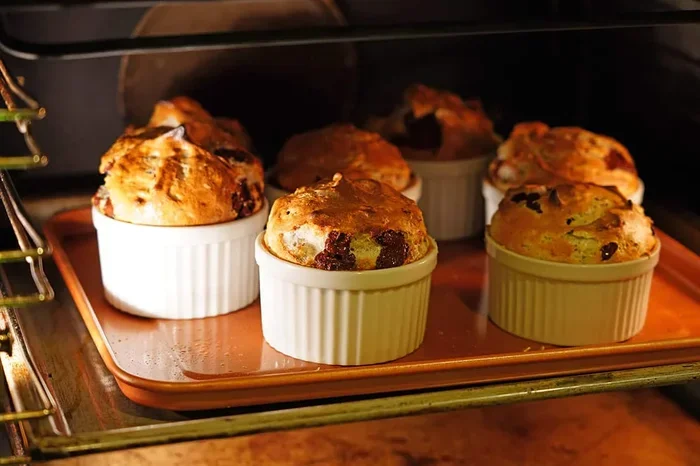
A ramekin is a small, shallow dish used for baking, serving, and presenting individual portions of food. They come in various sizes, usually ranging from 4 ounces to 8 ounces, and are popular for dishes like crème brûlée, soufflés, egg bites, and savory custards. Many home cooks love ramekins because they make portion control easy and presentation look elegant.
When you use ramekins for baking, you get individual servings that cook evenly and look beautiful on the table. They also work great for meal prep. You can bake a batch of egg muffins or mini frittatas in ramekins and store them in the fridge for quick breakfasts during the week. The versatility of oven-safe ramekins makes them a kitchen staple for many households.
Common Uses for Ramekins
People use ramekins for far more than just desserts. Here are some popular ways to put these little dishes to work:
- Baking custards and puddings — classic desserts that cook perfectly in a water bath.
- Making individual soufflés — ramekins give soufflés the right shape and height for a dramatic rise.
- Preparing egg bites — perfect for meal prep and high-protein breakfasts.
- Baking mini quiches — easy to customize with different fillings for each person.
- Serving sauces and dips — many ramekins look great as serving dishes too.
- Cooking individual meatloaves or casseroles — a fun twist on family dinners.
Can You Put Ramekins in The Oven? The Short Answer
The short answer is yes — most ramekins can go in the oven. However, the longer answer depends on what your ramekins are made of and what kind of oven you are using. A standard home oven works fine with most ceramic ramekins and porcelain ramekins, but you need to pay attention to a few details to stay safe.
Not every ramekin is oven proof. Some are designed only for serving or for use in the microwave, not for high-heat baking. This is why checking the label or the bottom of the dish matters so much. Manufacturers usually print an oven-safe temperature right on the dish or its packaging. If you cannot find this information, it is better to be cautious and avoid putting the ramekin in a hot oven.
Why Material Matters for Oven Safety
The material your ramekin is made from determines whether it can handle oven heat. Different materials respond to heat in very different ways. Some can take a beating in a hot oven, while others can crack, warp, or even release harmful chemicals when heated.
Ceramic and porcelain ramekins are the gold standard for oven use. They are dense, heat-resistant, and distribute warmth evenly. Glass ramekins, like those made by Pyrex, also work well but require a bit more care because they are more sensitive to sudden temperature changes. On the other hand, plastic ramekins should never go in the oven — they will melt and could release toxic fumes.
Which Ramekin Materials Are Oven Safe?
Understanding the different materials used to make ramekins helps you choose the right ones for baking. Here is a closer look at the most common materials and how they perform in the oven.
Ceramic Ramekins
Ceramic ramekins are the most popular choice for oven baking. They are made from clay that is fired at high temperatures, which makes them strong and heat resistant. Most ceramic baking ramekins can handle temperatures between 375°F and 450°F without any problems.
One of the best things about ceramic is that it retains heat well. This means your food keeps cooking evenly even after you take the ramekin out of the oven. Ceramic also looks beautiful, so you can serve dishes like crème brûlée or molten lava cake right at the table. Just make sure your ceramic ramekins do not have any metallic paint or decorations, as these can cause sparks in the oven.
Porcelain Ramekins
Porcelain ramekins are similar to ceramic but are fired at even higher temperatures, making them denser and more durable. They are often thinner and more elegant, which is why many people prefer them for formal entertaining. Porcelain is oven safe and handles high temperatures beautifully.
Porcelain heats up more quickly than ceramic, which can be a benefit for certain recipes that need a fast burst of heat. It also browns the tops of dishes like gratin and soufflé more evenly. The trade-off is that porcelain can be more delicate and prone to chipping if you drop it.
Glass Ramekins
Glass ramekins are another excellent option for oven use. Brands like Pyrex make sturdy glass dishes that can handle temperatures up to 450°F. Glass is transparent, which lets you watch the tops of your dishes brown as they bake — a nice perk when you are making crème brûlée or baked eggs.
The main caution with glass is thermal shock. This happens when you move a cold glass ramekin directly into a hot oven or place a hot ramekin on a cold surface. The sudden temperature change can cause the glass to crack or shatter. To avoid this, always let your glass ramekins come to room temperature before putting them in the oven, and place them on a dry, heat-safe surface when removing them.
Metal Ramekins
Metal ramekins made from aluminum or stainless steel are fully oven safe and heat up very quickly. They are great for recipes that need a crispy top or a fast bake. Some professional bakers prefer metal because it conducts heat more efficiently than ceramic or glass.
However, metal ramekins can react with acidic foods like tomatoes or citrus, which may affect the taste and color of your dish. If you use metal, choose stainless steel or coated aluminum to avoid this problem. Also, never put a metal ramekin with any decorative trim in a microwave or convection oven, as the metal can cause sparks.
Plastic and Silicone Ramekins
Plastic ramekins should never go in the oven. They will melt at relatively low temperatures and can release harmful chemicals into your food. Silicone ramekins are a different story. High-quality, food-grade silicone is oven safe up to around 450°F and is flexible, lightweight, and easy to clean.
Silicone baking ramekins are popular for their non-stick properties and portability. You can take them straight from the oven to the table or even freeze them for later use. Just make sure the silicone is labeled as oven safe, and avoid placing silicone ramekins directly on a hot oven rack — use a baking sheet underneath for stability.
Safe Oven Temperatures for Ramekins
Knowing the right temperature for your ramekins is just as important as knowing whether they can go in the oven at all. Every material has its limits, and exceeding them can damage the dish or ruin your recipe.
Here is a general guide to ramekin temperature limits:
- Ceramic ramekins: Safe up to 450°F. They handle high heat well but heat up slowly, which is great for even cooking.
- Porcelain ramekins: Safe up to 500°F or higher. Porcelain is more heat resistant than standard ceramic.
- Glass ramekins: Safe up to 450°F. Avoid sudden temperature changes to prevent cracking.
- Metal ramekins: Safe up to 500°F or more. Heats up quickly and evenly.
- Silicone ramekins: Safe up to 450°F. Flexible and easy to handle but needs a baking sheet for support.
Always check the manufacturer instructions for your specific ramekin. Some brands rate their dishes for lower temperatures than others, and it is better to know for sure. When in doubt, start at a lower temperature and increase gradually if needed.
Tips for Temperature Management
Managing oven temperature properly helps your ramekins last longer and your food turn out better. Here are some simple tips:
- Preheat your oven before placing ramekins inside. A hot oven ensures even cooking from the start.
- Place ramekins on the middle rack for the most consistent heat distribution.
- Do not overcrowd the oven — leave space between ramekins so hot air can circulate freely.
- Use an oven thermometer to make sure your oven is actually at the temperature you set. Many ovens run hot or cold.
How to Safely Use Ramekins in the Oven
Using ramekins in the oven is simple, but a few best practices make a big difference in your results. Follow these steps to bake with confidence and keep your dishes safe.
Step 1: Check for Oven-Safe Labels
Before using any ramekin in the oven, flip it over and look for an oven-safe symbol or temperature rating. This label tells you exactly how much heat the dish can handle. If there is no label, check the packaging or look up the product online. Never guess when it comes to oven safety.
Step 2: Grease the Ramekin
Greasing your ramekin prevents food from sticking and makes removal easy. Use a thin layer of butter, cooking spray, or a light brush of oil. For dishes like crème brûlée or soufflé, greasing the inside of the ramekin also helps the food rise evenly and release cleanly after baking.
Step 3: Place Ramekins on a Baking Sheet
Putting ramekins on a baking sheet does two things. First, it catches any spills and keeps your oven clean. Second, it provides a stable base, especially for silicone ramekins that can slide around on the oven rack. A baking sheet also makes it easier to move ramekins in and out of the oven safely.
Step 4: Avoid Thermal Shock
Thermal shock is the sudden change in temperature that can crack glass and ceramic ramekins. To avoid it, never put a cold ramekin directly into a hot oven, and never place a hot ramekin on a cold or wet surface. Let dishes cool on a dry towel or a wooden cutting board before handling them further.
Step 5: Use a Water Bath for Custards
If you are baking custards or crème brûlée, consider using a water bath, also called a bain-marie. Place your ramekins in a larger baking dish and fill the larger dish with hot water until it reaches about halfway up the sides of the ramekins. The water surrounds the ramekins with gentle, even heat and prevents the custard from curdling or cracking.
Common Mistakes to Avoid When Using Ramekins in the Oven
Even experienced cooks make mistakes with ramekins from time to time. Knowing what to avoid saves you from broken dishes and wasted ingredients.
Using Non-Oven-Safe Ramekins
The most common mistake is putting a ramekin in the oven without checking if it is safe. Some decorative ramekins look beautiful on the table but are only meant for serving cold dishes. Always verify oven safety before baking.
Ignoring Temperature Limits
Every ramekin has a maximum temperature it can handle. Exceeding that limit can cause cracking, warping, or even breakage while the food is cooking. Stick to the recommended ramekin temperature range for best results.
Overfilling the Ramekin
It is tempting to fill ramekins to the brim, especially when you are making a delicious batter or custard. But food expands as it cooks, and an overfilled ramekin can overflow into the oven. Leave at least half an inch of space at the top to allow for expansion.
Skipping the Greasing Step
Even with non-stick ramekins, greasing helps. Skipping this step can lead to food sticking to the sides and breaking apart when you try to remove it. A little butter or spray goes a long way toward clean, beautiful servings.
Best Ramekin Brands for Oven Use
Not all ramekins are created equal, and choosing a trusted brand ensures you get a product that is truly oven safe and built to last. Here are some of the best ramekin brands that home bakers and professionals trust.
| Brand | Material | Oven Safe Temp | Best For |
|---|---|---|---|
| Ovencraft | Ceramic | Up to 450°F | Everyday baking and serving |
| Emile Henry | Ceramic | Up to 500°F | Premium baking and entertaining |
| Pyrex | Glass | Up to 450°F | Watching food brown evenly |
| Ramekins by Joseph | Porcelain | Up to 500°F | Elegant presentation |
| Silicone Pro | Silicone | Up to 450°F | Non-stick and easy release |
These brands offer reliable oven proof ramekins that perform well across a range of recipes. You can find them at most kitchen supply stores or online. Investing in quality ceramic bakeware pays off because good ramekins last for years with proper care.
Caring for Your Ramekins After Oven Use
Proper care keeps your ramekins looking great and performing well for years. After using your baking ramekins in the oven, let them cool down completely before washing them. Avoid running cold water over a hot ramekin, as this can cause thermal shock and cracking.
Most ceramic, porcelain, and glass ramekins are dishwasher safe, but hand washing is gentler and helps preserve the finish over time. Use mild dish soap and a soft sponge. Avoid abrasive scrubbers that can scratch the surface, especially on ceramic and porcelain.
When storing your ramekins, stack them with a protective layer like a paper towel or soft cloth between each one. This prevents chipping and scratching. Keep them in a cool, dry place away from direct heat sources.
Expert Tips for Perfect Ramekin Baking
Want to take your ramekin baking to the next level? Here are some expert tips that professional bakers use to get the best results every time.
- Room temperature ingredients — bring eggs, cream, and butter to room temperature before mixing. This creates a smoother batter and more even baking.
- Use a water bath for custards — the gentle heat prevents curdling and gives you a silky, creamy texture.
- Let ramekins rest after baking — give your dishes 5 to 10 minutes to set before removing them from the oven or serving.
- Experiment with sizes — smaller ramekins bake faster, while larger ones need more time. Adjust your baking time accordingly.
- Preheat the ramekin — for some recipes, placing a warm ramekin in the oven helps the batter rise better and cook more evenly.
Key Takeaways
- Most ramekins are oven safe — ceramic, porcelain, glass, and silicone options all handle oven heat well when used correctly.
- Always check the manufacturer label for oven-safe temperature ratings before placing ramekins in the oven.
- Avoid thermal shock by letting ramekins come to room temperature before baking and placing them on dry, heat-safe surfaces.
- Ceramic and porcelain are the most popular choices for oven baking due to their heat resistance and even cooking performance.
- Glass ramekins are great for monitoring food but require careful temperature management to prevent cracking.
- Never put plastic ramekins in the oven — they will melt and can release harmful chemicals.
- Proper care and storage extends the life of your ramekins and keeps them performing well for years.
Conclusion
So, can you put ramekins in the oven? Absolutely. Whether you are baking a classic crème brûlée, a fluffy soufflé, or a batch of egg bites, the right ramekin makes all the difference. The key is to choose the right material, check the temperature limits, and follow a few simple safety practices.
Ceramic, porcelain, glass, and silicone ramekins all work beautifully in the oven when used correctly. Avoid plastic, watch for thermal shock, and always grease your dishes before pouring in the batter. With the tips and guidance in this article, you are fully equipped to bake with confidence using your oven-safe ramekins every single time.
Now that you know everything about using ramekins in the oven, it is time to get cooking. Pick your favorite recipe, grab your baking ramekins, and enjoy the process of creating delicious, beautifully portioned dishes for yourself and your loved ones. Happy baking!
Frequently Asked Questions
Can all ramekins go in the oven?
No, not all ramekins are oven safe. Some are designed only for serving or for microwave use. Always check the manufacturer label for an oven-safe rating before placing any ramekin in the oven. Plastic ramekins should never be used in the oven under any circumstances.
What temperature can ramekins withstand?
Most ceramic and porcelain ramekins handle temperatures up to 450°F to 500°F. Glass ramekins like Pyrex are safe up to 450°F, while silicone ramekins typically handle up to 450°F as well. Always check the specific temperature rating on your ramekin before baking.
Can you put cold ramekins in a hot oven?
You should avoid putting cold ramekins directly into a hot oven, especially glass and ceramic ones. This sudden temperature change can cause thermal shock, which may lead to cracking or shattering. Let your ramekins come to room temperature first for the safest results.
Are glass ramekins safe for oven use?
Yes, glass ramekins are generally oven safe, but they require careful handling. Brands like Pyrex make durable glass dishes rated for oven temperatures up to 450°F. The key is to avoid sudden temperature changes, so always preheat gradually and place hot glass ramekins on dry, heat-safe surfaces.
Can you use ramekins in a convection oven?
Yes, you can use ramekins in a convection oven. Ceramic, porcelain, glass, and silicone ramekins all work well with the circulating hot air. Just be mindful that convection ovens cook faster, so you may need to reduce your baking time slightly and check your dishes a few minutes early.
How do you clean ramekins after oven use?
Let your ramekins cool completely before washing them. Most ceramic, porcelain, and glass ramekins are dishwasher safe, but hand washing with mild soap and a soft sponge is gentler. Avoid abrasive scrubbers that can scratch the surface, and never run cold water over a hot ramekin to prevent cracking.