How To Cook Chilean Sea Bass In Oven Perfectly Every Time
Cooking Chilean sea bass in the oven is easier than you think. This guide walks you through everything from picking the perfect fillet to pulling it out of the oven golden and tender. You will learn the best temperature, timing, seasoning blends, and pro tricks for restaurant-quality results at home.
There is something truly special about Chilean sea bass. It is buttery, rich, and incredibly tender when cooked right. Yet many home cooks stay away from it because they worry about drying it out or getting it wrong.
The truth is, baking Chilean sea bass in the oven is one of the simplest and most rewarding ways to prepare this fish. You do not need a fancy kitchen or years of experience. With the right temperature, a little seasoning, and a watchful eye, you can serve up a restaurant-quality meal in under twenty minutes.
Whether you are a beginner in the kitchen or a seasoned home cook looking for a foolproof sea bass recipe, this guide has everything you need. We will cover how to select the best fillet, the best oven baking temperature for fish, seasoning ideas, timing, and common mistakes to avoid. By the end, you will feel confident enough to make this dish again and again.
Key Takeaways
- Ideal Oven Temperature: Bake Chilean sea bass at 400°F to 425°F for a perfectly cooked, moist fillet every time.
- Cooking Time: Most fillets need only 12 to 18 minutes depending on thickness.
- Season Simply: Butter, garlic, lemon, and fresh herbs bring out the natural richness of this premium fish.
- Check Internal Temperature: The fish is done when it reaches 145°F internally and flakes easily with a fork.
- Avoid Overcooking: This is the single biggest mistake home cooks make with Chilean sea bass.
- Skin-On Cooking: Baking skin-side down first creates a crispy texture and keeps the flesh moist.
- Pairings Matter: Serve with roasted vegetables, rice, or a light salad for a complete meal.
📑 Table of Contents
- Why Chilean Sea Bass Is Worth Cooking at Home
- The Best Oven Temperature for Chilean Sea Bass
- How to Season Chilean Sea Bass for Maximum Flavor
- Skin-On vs. Skin-Off: Which Is Better for Oven Baking?
- Common Mistakes to Avoid When Baking Chilean Sea Bass
- Perfect Pairings for Oven-Baked Chilean Sea Bass
- Expert Tips for the Best Oven-Baked Chilean Sea Bass
- How to Tell When Chilean Sea Bass Is Done
- Storage and Leftovers
- Conclusion
Why Chilean Sea Bass Is Worth Cooking at Home
Chilean sea bass goes by many names. Its real name is Patagonian toothfish, but the rebranding made it a star on restaurant menus worldwide. The flesh is snow-white, almost buttery, and melts in your mouth when done correctly.
Here is why more people are learning how to bake Chilean sea bass at home:
- Rich flavor: The natural fat content gives it a luxurious taste without needing heavy sauces.
- Versatile: It pairs well with dozens of seasonings, from simple lemon and butter to bold miso glazes.
- Quick to cook: Most fillets are done in 12 to 18 minutes.
- Healthy: It is a great source of omega-3 fatty acids and high-quality protein.
- Impressive presentation: It looks and tastes elegant, making it perfect for dinner parties.
When you buy fresh Chilean sea bass from a trusted fishmonger or a good online supplier, the quality speaks for itself. The fillets should smell clean and ocean-like, not fishy. The flesh should look moist and firm, with a slight translucency. If it looks dull or dry, keep looking.
The Best Oven Temperature for Chilean Sea Bass
Getting the oven temperature for fish right is the most important step. Too hot and the outside burns before the inside cooks. Too low and the fillet turns rubbery and dry.
Recommended Baking Temperature
The sweet spot for oven-baked Chilean sea bass is between 400°F and 425°F. Here is why this range works so well:
- 400°F: A gentler heat that cooks the fish more evenly. Great for thicker fillets.
- 425°F: Slightly higher heat creates a beautiful golden crust on the skin side. Best for thinner cuts.
Most home cooks find 400°F to be the safest and most consistent choice. It gives you a nice balance between a crispy exterior and a moist, flaky interior. If you are using a convection oven, drop the temperature by about 25°F to prevent over-browning.
How Long to Bake Chilean Sea Bass
Cooking time depends on the thickness of the fillet and whether it has skin on or off. Here is a general guide:
- Thin fillets (under 1 inch): Bake for 10 to 12 minutes at 425°F.
- Medium fillets (1 to 1.5 inches): Bake for 12 to 15 minutes at 400°F.
- Thick fillets (over 1.5 inches): Bake for 15 to 18 minutes at 400°F.
The best way to tell if your sea bass fillet is done is to check the internal temperature. Insert a meat thermometer into the thickest part of the fillet. When it reads 145°F, the fish is perfectly cooked. You can also test it by gently pressing the top of the fillet. It should feel firm but still have a slight give. If it flakes apart easily with a fork, it is done.
Quick Tip: Always let your sea bass come to room temperature for about 10 minutes before baking. This helps the fillet cook more evenly from edge to center.
How to Season Chilean Sea Bass for Maximum Flavor
The beauty of Chilean sea bass is that it does not need a lot of fuss. The fish has a naturally rich, buttery flavor that shines with simple seasoning. But that does not mean you cannot get creative.
The Classic Butter and Herb Approach
This is the most popular way to prepare baked Chilean sea bass. Here is what you need:
- 2 tablespoons of unsalted butter, softened
- 2 cloves of garlic, minced
- Fresh parsley, chopped
- Lemon zest from half a lemon
- A pinch of sea salt and black pepper
Mix the butter, garlic, parsley, and lemon zest together. Spread the mixture generously over the top of each fillet. Season with salt and pepper. Place the fillets skin-side down on a lined baking sheet and bake at 400°F for 12 to 15 minutes.
Lemon and Herb Baked Sea Bass
For a lighter option, try this combination:
- Sliced lemon rounds
- Fresh dill or thyme
- Olive oil drizzle
- Salt, pepper, and a pinch of paprika
Layer the lemon slices on the baking sheet, place the fillets on top, and scatter the herbs around. A light drizzle of olive oil keeps everything moist. This version is perfect for a healthy weeknight dinner.
Miso Glazed Chilean Sea Bass
If you want something bolder, a miso glaze takes this fish to the next level. Mix white miso paste, mirin, a touch of soy sauce, and a little brown sugar. Brush it onto the fillets during the last 5 minutes of baking. The result is a sweet, savory, umami-packed finish that pairs beautifully with the natural richness of the fish.
Quick Tips for Seasoning Sea Bass
- Less is more: Do not overload the fillet with seasoning. Let the fish flavor shine through.
- Season just before baking: Salt draws moisture out of the fish if applied too early.
- Fresh herbs are best: Dried herbs can work, but fresh herbs give a brighter, more vibrant flavor.
- Add acid at the end: A squeeze of fresh lemon juice right after baking brightens the whole dish.
Skin-On vs. Skin-Off: Which Is Better for Oven Baking?
This is one of the most debated questions when it comes to cooking sea bass in the oven. Both methods have their advantages, and the right choice depends on your preference.
Benefits of Baking Skin-On
- The skin acts as a natural barrier, locking in moisture and keeping the flesh tender.
- It creates a crispy, golden texture that many people love.
- The skin is easier to handle when flipping or removing from the pan.
- It adds a subtle, savory flavor that complements the rich fish.
Benefits of Baking Skin-Off
- It gives you a more uniform texture throughout the fillet.
- Some people prefer the milder taste without the skin.
- It is faster to eat since you do not need to remove the skin at the table.
- It works well for those who want a lighter presentation.
For most home cooks, we recommend baking Chilean sea bass skin-side down for the first two-thirds of the cooking time, then flipping it briefly if you want both sides crispy. This method gives you the best of both worlds: moist flesh and a satisfying crunch.
Common Mistakes to Avoid When Baking Chilean Sea Bass
Even experienced cooks can run into trouble with this delicate fish. Here are the most common mistakes and how to avoid them.
Mistake 1: Overcooking the Fish
This is the number one mistake. Chilean sea bass dries out quickly once it passes the ideal internal temperature. The difference between perfectly moist and disappointingly dry is often just two or three minutes. Set a timer, check the temperature early, and pull the fish out as soon as it hits 145°F. The fish will continue to cook slightly from residual heat after removing it from the oven.
Mistake 2: Skipping the Pat Dry Step
Moisture on the surface of the fillet creates steam instead of allowing a crust to form. Always pat the fish dry with paper towels before seasoning and baking. This simple step makes a huge difference in texture.
Mistake 3: Using a Cold Fillet
Placing a cold fillet straight from the refrigerator into a hot oven leads to uneven cooking. The outside may be done while the center is still raw. Take the fish out 10 to 15 minutes before baking to let it temper.
Mistake 4: Overcrowding the Pan
Give each fillet at least an inch of space on the baking sheet. Overcrowding traps steam and prevents the skin from crisping up properly. If you are cooking multiple fillets, use two baking sheets.
Mistake 5: Not Using Parchment or a Silicone Mat
Sea bass skin can stick to bare metal baking sheets, making it difficult to remove without tearing. Line your pan with parchment paper or a silicone baking mat for easy cleanup and perfect results.
Perfect Pairings for Oven-Baked Chilean Sea Bass
A great sea bass recipe is about more than just the fish. The right sides can turn a simple dinner into a memorable meal. Here are some pairing ideas that work beautifully with baked Chilean sea bass.
Best Side Dishes
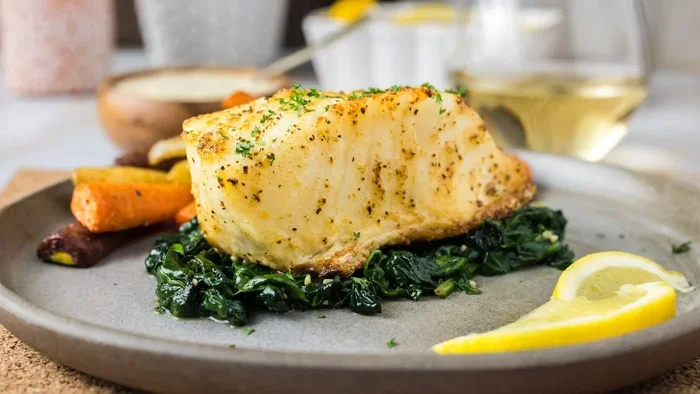
- Roasted asparagus: The slight bitterness balances the richness of the fish perfectly.
- Garlic butter rice: A classic combination that soaks up any remaining sauce or juices.
- Lemon herb quinoa: A light, healthy grain that complements without overwhelming.
- Sautéed spinach: Quick to make and packed with nutrients.
- Roasted cherry tomatoes: Their sweetness adds a lovely contrast to the savory fish.
- Mashed potatoes: Creamy and comforting, ideal for a cozy dinner.
Sauce Ideas
While Chilean sea bass is delicious on its own, a simple sauce can elevate it further:
- Beurre blanc: A classic French white wine butter sauce that pairs beautifully with fatty fish.
- Chimichurri: A bright, herbaceous Argentine sauce that adds freshness and color.
- Mango salsa: Tropical, sweet, and tangy, it works especially well with miso-glazed sea bass.
- Simple lemon caper sauce: Melt butter, add capers, a squeeze of lemon, and fresh parsley. Done in under five minutes.
Expert Tips for the Best Oven-Baked Chilean Sea Bass
Here are some insider tips from experienced cooks and chefs that will take your sea bass fillet oven game to the next level.
- Buy sashimi-grade fish: If you are baking a thinner fillet, starting with high-quality, sashimi-grade fish ensures the best texture and safety.
- Let the fish rest after baking: Give the fillet 3 to 5 minutes on the pan before serving. This allows the juices to redistribute throughout the flesh.
- Use a baking rack: Placing the fillet on a rack set over a baking sheet allows hot air to circulate underneath, promoting even cooking and crispier skin.
- Add a splash of white wine: Pour a small amount of dry white wine into the baking dish before adding the fish. It creates steam that keeps the flesh moist and adds a subtle depth of flavor.
- Experiment with aromatics: Thinly sliced shallots, fresh ginger, or whole peppercorns placed around the fish on the pan add layers of aroma without overpowering the fish.
Expert Insight: Chef Michael Chiarello once said that the best baked Chilean sea bass comes down to two things: quality fish and restraint in the kitchen. Do not mask the flavor of a great fillet with too many ingredients. Let it speak for itself.
How to Tell When Chilean Sea Bass Is Done
Knowing when to take the fish out of the oven is a skill that comes with practice. Here are the three most reliable signs:
- Internal temperature: 145°F measured with an instant-read thermometer in the thickest part of the fillet.
- Visual cue: The flesh turns from translucent to opaque white and starts to flake when gently pressed with a fork.
- Texture: The fish should feel firm on the outside but still moist and tender in the center. If it feels dry or chalky, it has been overcooked.
Remember that the fish continues to cook after you remove it from the oven. This is called carryover cooking. Pulling the fillet out when it is just slightly underdone ensures a moist, tender result on the plate.
Storage and Leftovers
If you have leftover baked Chilean sea bass, here is how to handle it:
- Refrigerate: Store cooked fish in an airtight container in the refrigerator for up to 2 days.
- Reheat gently: The best way to reheat is in the oven at 300°F for 8 to 10 minutes, or wrapped in foil in the microwave on low power. High heat will dry out the fish quickly.
- Freeze raw fillets: If you are not ready to cook, wrap the fillet tightly in plastic wrap and aluminum foil, then freeze for up to 3 months.
Conclusion
Cooking Chilean sea bass in the oven is one of the most satisfying things you can do in the kitchen. It is fast, it is simple, and the results are consistently impressive. With the right oven temperature, a little seasoning, and attention to timing, you can serve up a dish that rivals anything from a fine dining restaurant.
The key is to keep it simple. Do not overcomplicate the seasoning. Do not overcook the fish. And always start with the freshest Chilean sea bass you can find. Whether you go with the classic butter and herb method, a bright lemon and dill combination, or a bold miso glaze, the result will be a flaky white fish that melts in your mouth.
Now that you have all the tips, techniques, and recipes at your fingertips, it is time to put them into action. Pick up a fresh fillet, preheat your oven, and enjoy the process. Baked Chilean sea bass has a way of turning an ordinary weeknight dinner into something truly special.
Start tonight. Your taste buds will thank you.
Frequently Asked Questions
Can I use frozen Chilean sea bass for oven baking?
Yes, you can, but it is best to thaw the fillet completely before baking. Place it in the refrigerator overnight to defrost safely. Cooking from frozen can lead to uneven results, with the outside overcooking before the inside is done. Always pat the fillet dry after thawing for the best texture.
What is the difference between Chilean sea bass and regular sea bass?
Chilean sea bass, also known as Patagonian toothfish, is a different species from European sea bass or black sea bass. It has a higher fat content and a richer, more buttery flavor. It is also typically sold in larger, thicker fillets, which makes it ideal for oven baking. Regular sea bass tends to be leaner and more delicate in texture.
How do I get crispy skin on my oven-baked sea bass?
The secret to crispy skin is a hot oven, a dry surface, and a preheated baking sheet. Pat the fillet completely dry, season it, and place it skin-side down on a parchment-lined sheet that has been preheated in the oven. The direct contact with the hot pan helps render the skin and create that satisfying crunch.
Is Chilean sea bass expensive compared to other fish?
Yes, Chilean sea bass is considered a premium fish and tends to be pricier than most white fish varieties. This is partly due to its rich flavor and limited supply. However, because a little goes a long way with this fish, a single fillet can comfortably serve one to two people, making the cost per serving reasonable for a special meal.
Can I bake Chilean sea bass with vegetables on the same sheet?
Absolutely. Roasted vegetables like cherry tomatoes, asparagus, or bell peppers cook beautifully alongside sea bass fillets. Just make sure the vegetables are cut into small, even pieces so they cook at the same rate. Place the vegetables around the fish on the baking sheet for a complete one-pan meal.
What wine pairs well with oven-baked Chilean sea bass?
A crisp white wine is the perfect match. Look for a Chardonnay, Sauvignon Blanc, or Pinot Grigio. If you used a butter-based sauce, a lightly oaked Chardonnay complements the richness. For lighter preparations with lemon and herbs, a zesty Sauvignon Blanc works beautifully.