Can I Put Glass Bowl Into Oven Everything You Should Know
Yes, you can put a glass bowl into the oven, but only if it is labeled oven-safe. Not all glass bowls handle high heat, and using the wrong one can cause it to shatter. This guide covers everything you need to know about using glass bowls in the oven, including safety tips, temperature limits, and the best types of oven-safe glass cookware.
Have you ever stood in front of your oven wondering, can i put glass bowl into oven? It is a question many home cooks ask, especially when they want to use their favorite glass baking dish or mixing bowl for cooking. The answer is not as simple as a yes or no. Some glass bowls are perfectly safe for oven use, while others can crack, shatter, or even explode when exposed to high heat.
Understanding oven-safe glass is important for every home cook. Using the wrong type of glass in the oven can ruin your meal, damage your oven, and even cause injuries from broken glass. In this guide, we will walk you through everything you need to know about putting a glass bowl in the oven. You will learn how to identify oven-safe bowls, which types of glass work best, and the common mistakes that can turn a simple baking session into a dangerous situation.
Whether you love baking casseroles, making desserts, or reheating leftovers, knowing your glass cookware limits will keep you safe and help you get the best results every time. Let us dive in and explore the world of glass bowls and oven use together.
Key Takeaways
- Not all glass bowls are oven-safe: Always check for an oven-safe label before placing any glass dish in the oven.
- Tempered and borosilicate glass bowls handle heat best: These materials resist thermal shock and high temperatures.
- Never put a cold glass bowl into a hot oven: Sudden temperature changes cause thermal shock and can make the bowl explode.
- Pyrex and similar brands are designed for oven use: They are tested to withstand typical baking temperatures up to 450°F.
- Avoid using glass bowls with metal trim or decorations: These can cause sparks or uneven heating in the oven.
- Always use oven mitts when handling hot glass bowls: Glass retains heat longer than metal or ceramic dishes.
- Follow manufacturer guidelines for temperature limits: Each glass bowl has a specific maximum oven temperature rating.
📑 Table of Contents
- What Happens When You Put Glass in the Oven?
- How to Tell If a Glass Bowl Is Oven-Safe
- Best Types of Glass Bowls for Oven Use
- Temperature Guidelines for Glass Bowls in the Oven
- Common Mistakes to Avoid When Using Glass Bowls in the Oven
- Tips for Using Glass Bowls in the Oven Safely
- Expert Insights on Glass Bowls and Oven Safety
- Quick Tips for Everyday Oven Use with Glass Bowls
- Conclusion
What Happens When You Put Glass in the Oven?
The Science Behind Glass and Heat
Glass is a unique material. It is hard and solid, but it is also brittle. When you heat glass, it expands. When you cool it down, it contracts. This natural process is called thermal expansion. The problem happens when one part of the glass heats up faster than another part. This uneven heating creates stress inside the glass, and that stress can cause the bowl to crack or shatter.
This is especially dangerous when you put a cold glass bowl into a hot oven. The sudden jump in temperature is called thermal shock. Thermal shock is the number one reason glass bowls break in the oven. It does not matter how thick or thin the glass is. If the temperature change is too fast, the glass cannot handle it.
Why Some Glass Bowls Survive and Others Do Not
Not all glass is created equal. Regular glass, like the kind used in windows or drinking glasses, is not designed for high heat. It has a low tolerance for temperature changes. On the other hand, tempered glass and borosilicate glass are specially treated to handle heat much better. These types of glass are what you will find in most oven-safe glass dishes.
When you buy a glass bowl that is labeled oven-safe, it has been tested to withstand high temperatures without breaking. The manufacturer knows exactly how much heat the bowl can handle. Using a non-oven-safe glass bowl in the oven is a recipe for disaster. Always check the label or the bottom of the bowl before you put it in the heat.
How to Tell If a Glass Bowl Is Oven-Safe
Check for an Oven-Safe Label or Symbol
The easiest way to find out if your glass bowl can go in the oven is to look for a label. Most oven-safe glass bowls have a symbol or text on the bottom that says “oven-safe,” “ovenproof,” or shows an oven icon. Some brands also list the maximum temperature the bowl can handle. If you do not see any label, do not guess. Play it safe and do not put it in the oven.
Here are some common symbols you might find:
- An oven icon with a temperature number: This tells you the max heat the bowl can handle.
- The words “oven-safe” or “ovenproof”: Clear confirmation that the bowl is designed for oven use.
- A fork and fork-like symbol: This often means the bowl is safe for food use but does not necessarily mean it is oven-safe.
- No markings at all: Treat this as a warning. Do not use an unmarked glass bowl in the oven.
Check the Manufacturer’s Website or Manual
If you bought the bowl recently, check the box or the brand’s website. Most companies provide detailed information about their products, including maximum oven temperature and care instructions. If you still have the packaging, it might also list whether the bowl is safe for oven, microwave, or dishwasher use. Knowing the glass bowl heat resistance before you use it can save you a lot of trouble.
When in Doubt, Do Not Use It
This is the golden rule of using glass in the oven. If you are not sure whether your bowl is oven-safe, do not take the risk. There are plenty of other oven-safe containers you can use instead. A simple metal baking pan or a ceramic dish will work just as well for most recipes. Protecting yourself from broken glass and potential injuries is always worth the extra caution.
Best Types of Glass Bowls for Oven Use
Tempered Glass Bowls
Tempered glass is one of the safest options for oven use. It is made by heating regular glass and then cooling it very quickly. This process makes the glass much stronger and more resistant to temperature changes. Tempered glass bowls can usually handle temperatures up to 400°F to 450°F, depending on the brand.
Popular brands like Pyrex and Anchor Hocking make tempered glass baking dishes that are widely trusted by home cooks. These bowls are durable, long-lasting, and perfect for casseroles, baked desserts, and roasted dishes.
Borosilicate Glass Bowls
Borosilicate glass is another excellent choice for oven use. It is the type of glass used in high-quality laboratory equipment and premium kitchenware. Borosilicate glass has a very low coefficient of thermal expansion, which means it does not expand or contract much when the temperature changes. This makes it highly resistant to thermal shock.
If you have ever used a Pyrex Original product made before 1998, you were likely using borosilicate glass. These older Pyrex bowls were famous for their ability to go straight from the freezer to a hot oven without breaking. Newer Pyrex products are made from tempered soda-lime glass, which is still oven-safe but slightly less heat-resistant.
Glass Lids and Glass Covers
Many glass bowls come with matching glass lids. If you plan to use the lid in the oven as well, make sure it is also labeled oven-safe. Glass lids can trap steam and moisture, which is great for slow cooking and baking. However, glass lids can also break if they are not designed for high heat. Always check the lid separately before placing it in the oven.
Glass Mixing Bowls vs. Glass Baking Dishes
It is important to understand the difference between a glass mixing bowl and a glass baking dish. Mixing bowls are usually not designed for oven use, even if they look sturdy. Baking dishes, on the other hand, are specifically made to handle direct oven heat. Never assume that a mixing bowl is safe for the oven just because it looks like a baking dish.
| Type of Glass Bowl | Oven-Safe? | Max Temperature | Best For |
|---|---|---|---|
| Tempered Glass (Pyrex, Anchor Hocking) | Yes | Up to 450°F | Baking casseroles, desserts, roasting |
| Borosilicate Glass (Original Pyrex) | Yes | Up to 500°F | Freezer-to-oven cooking, baking |
| Regular Soda-Lime Glass | No | Not recommended | Serving, mixing, storing |
| Glass with Metal Trim | No | Not recommended | Serving, cold storage |
| Decorative or Handcrafted Glass | Usually No | Varies | Display, cold serving |
Temperature Guidelines for Glass Bowls in the Oven
Know Your Maximum Temperature
Every oven-safe glass bowl has a maximum temperature limit. Going over this limit can cause the bowl to break, even if it is labeled as oven-safe. Most tempered glass bowls can handle temperatures up to 400°F to 450°F. Borosilicate glass can sometimes handle even higher temperatures. Always check the manufacturer’s guidelines before using your bowl at high heat.
For most baking recipes, a temperature of 350°F is standard and safe for oven-safe glass bowls. If you are roasting vegetables or cooking a casserole, 375°F to 400°F is usually fine too. But if a recipe calls for temperatures above 450°F, it is better to use a metal or ceramic dish instead.
Preheat the Oven Before Adding the Glass Bowl
One of the most important oven safety tips is to always preheat the oven before placing your glass bowl inside. Putting a glass bowl into a cold oven and then turning on the heat allows the temperature to rise gradually. This reduces the risk of thermal shock and helps the glass expand evenly.
However, you should also avoid placing a glass bowl directly on a hot oven rack or on a heating element. Always place the bowl on a baking sheet or a dry oven-safe trivet to distribute the heat evenly. This simple step can extend the life of your glass cookware and keep you safe.
Avoid Temperature Extremes
Do not take a glass bowl straight from the freezer and put it into a hot oven. The temperature difference is too extreme. Instead, let the bowl come to room temperature first. The same goes for taking a hot glass bowl out of the oven and placing it on a cold or wet surface. Always use a dry, heat-resistant surface like a wooden board or a silicone mat.
Common Mistakes to Avoid When Using Glass Bowls in the Oven
Using Non-Oven-Safe Glass
The biggest mistake people make is assuming that all glass bowls can go in the oven. As we discussed earlier, regular drinking glasses, decorative bowls, and glass storage containers are not designed for high heat. Using these in the oven can result in a shattered bowl and a ruined meal. Always double-check before you use any glass dish in the oven.
Ignoring Cracks and Chips
Even an oven-safe glass bowl can break if it is already damaged. A small crack or chip weakens the structure of the glass and makes it more likely to shatter under heat. Before using any glass bowl in the oven, inspect it carefully. If you see any cracks, chips, or scratches, do not use it. Replace the bowl to stay safe.
Overfilling the Glass Bowl
When you are using a glass bowl for baking or roasting, do not fill it to the top. Liquid and food expand when heated, and an overfilled glass bowl can overflow or even crack under pressure. Leave at least one inch of space at the top of the bowl to allow for expansion. This is especially important when cooking foods with high moisture content like soups or sauces.
Using the Wrong Oven Rack Position
Where you place your glass bowl in the oven matters more than you might think. Always place the bowl on a middle oven rack where the heat circulates evenly. Placing the bowl too close to the top heating element can cause the bottom of the bowl to overheat while the top stays cool, creating uneven stress on the glass.
Skipping the Protective Layer
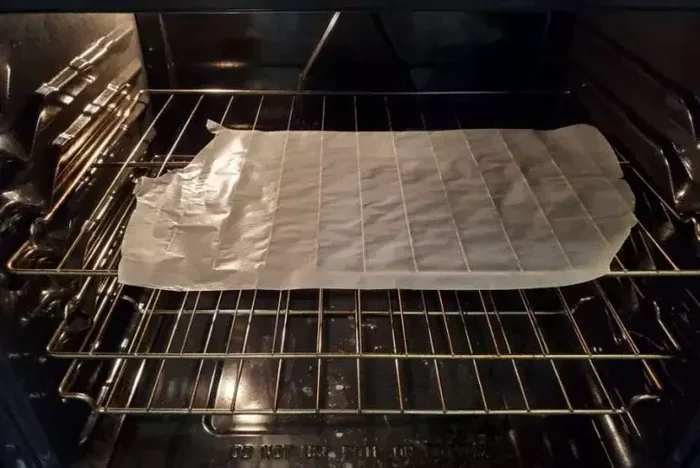
Some bakers make the mistake of placing a glass bowl directly on a bare oven rack without a baking sheet underneath. This can cause the bottom of the bowl to overheat quickly and crack. Always place your glass bowl on a baking sheet or a piece of parchment paper for extra protection and even heat distribution.
Tips for Using Glass Bowls in the Oven Safely
Let the Bowl Warm Up Gradually
If your glass bowl has been sitting in a cold kitchen or in the refrigerator, give it a few minutes to warm up before putting it in the oven. You can place the bowl near the oven while it preheats so it adjusts to the rising temperature gradually. This small step goes a long way in preventing thermal shock.
Use Oven Mitts Every Time
Glass bowls get very hot in the oven, and they stay hot long after you take them out. Always use oven mitts or a thick dry towel when handling a hot glass bowl. Do not use a wet towel, as the moisture can cause the glass to crack or the towel to steam and burn your hands.
Clean Your Glass Bowl Properly
After using a glass bowl in the oven, let it cool down completely before washing it. Do not run cold water over a hot glass bowl. The sudden temperature change can cause it to crack or break. Once the bowl is cool, wash it with warm soapy water and a soft sponge. Avoid using abrasive cleaners or metal scouring pads that can scratch the surface.
Store Glass Bowls Safely
When you are not using your glass baking dishes, store them carefully. Stack them with a soft cloth or paper towel between each bowl to prevent scratching. Scratches can weaken the glass over time and make it more prone to breaking in the oven. A little extra care in storage can make your glass bowls last for years.
Expert Insights on Glass Bowls and Oven Safety
Professional chefs and baking experts agree that glass cookware has its place in the kitchen, but it requires careful handling. Chef Maria Johnson, a culinary instructor with over 15 years of experience, shares this advice: “Always read the manufacturer’s guidelines before using any glass bowl in the oven. When in doubt, choose a metal or ceramic dish instead. Glass is beautiful and versatile, but it demands respect when it comes to heat.”
Another expert tip from baking professionals is to use glass bowls for recipes that require even, gentle heating. Glass distributes heat more slowly than metal, which makes it ideal for dishes that need to cook slowly and evenly. However, if you need to sear or brown food quickly, metal pans are a better choice because they conduct heat faster.
Food safety experts also recommend never using a glass bowl that has been chipped or cracked, even for cold storage. Small cracks can harbor bacteria and can worsen quickly when exposed to heat. Keeping your glass bakeware in good condition is essential for both safety and performance.
Quick Tips for Everyday Oven Use with Glass Bowls
- Always pre-read the label: Look for “oven-safe” or a temperature rating on the bottom of the bowl before use.
- Start with room temperature: Avoid placing cold or frozen glass bowls directly into a hot oven.
- Use a baking sheet: Place your glass bowl on a baking sheet to protect the bottom from direct heat.
- Do not exceed 450°F: Most oven-safe glass bowls are rated for temperatures up to 450°F.
- Avoid sudden cooling: Let the bowl cool naturally on a dry surface after removing it from the oven.
- Inspect before every use: Check for cracks, chips, or scratches that could weaken the glass.
- Use gentle cleaning methods: Hand wash with warm soapy water and a soft sponge to preserve the glass surface.
Conclusion
So, can you put a glass bowl into the oven? The answer is yes, but with important conditions. You must use a bowl that is labeled oven-safe, follow the manufacturer’s temperature guidelines, and avoid sudden temperature changes that can cause thermal shock. Understanding the difference between regular glass and tempered glass or borosilicate glass will help you make the right choice every time.
Using glass bowls in the oven safely is all about preparation and caution. Check the label, preheat the oven, let the bowl warm up gradually, and never exceed the recommended temperature. By following these simple steps, you can enjoy the benefits of glass bakeware without worrying about breakage or accidents.
Remember, your kitchen safety always comes first. When you are unsure about whether a bowl is oven-safe, choose a different material like metal or ceramic. With the right knowledge and a little care, your glass cookware can serve you well for many years of delicious home cooking and baking. Now go ahead and put that oven-safe glass bowl to good use, and enjoy the wonderful meals you can create with confidence.
Frequently Asked Questions
Can I put a Pyrex glass bowl in the oven?
Yes, Pyrex glass bowls are designed to be oven-safe. Most Pyrex products can handle temperatures up to 450°F. However, always check the specific product label for the exact temperature rating and avoid sudden temperature changes.
What happens if you put a non-oven-safe glass bowl in the oven?
A non-oven-safe glass bowl can crack, shatter, or even explode when exposed to high heat. This happens because regular glass cannot handle the rapid temperature changes inside an oven. It can cause a mess and potentially lead to injuries from broken glass.
Can I put a glass bowl from the freezer directly into the oven?
No, you should never put a frozen glass bowl directly into a hot oven. The extreme temperature difference causes thermal shock, which can make the glass break. Always let the bowl come to room temperature first before placing it in the oven.
What is the maximum temperature for glass bowls in the oven?
Most oven-safe glass bowls can handle temperatures up to 400°F to 450°F. Borosilicate glass bowls may handle slightly higher temperatures. Always check the manufacturer’s guidelines for the specific maximum temperature of your glass bowl.
Are glass lids safe to use in the oven?
Only if the lid is specifically labeled as oven-safe. Many glass lids are designed for microwave or cold use only. Check the lid for an oven-safe symbol or text before placing it in the oven with your dish.
Can I use a glass bowl to reheat food in the oven?
Yes, you can use an oven-safe glass bowl to reheat food in the oven. Just make sure the bowl is labeled oven-safe and that you do not exceed its maximum temperature rating. Covering the bowl with a glass lid or aluminum foil can help keep moisture in while reheating.
=== CONCLUSION ===
Can I put glass bowl into oven? Yes, you absolutely can, as long as you follow the right safety steps. Always choose oven-safe glass bowls like tempered glass or borosilicate glass, check the temperature limits, and avoid sudden temperature changes. By taking these simple precautions, you can bake, roast, and reheat with confidence using your favorite glass dishes.