Gas Ovens Kids Asthma Why Indoor Air Quality Matters
Gas ovens can release harmful pollutants that trigger asthma in children. Many parents don’t realize that cooking with gas appliances contributes to poor indoor air quality, putting kids at risk for asthma attacks and breathing problems. This guide covers the connection between gas ovens, kids, and asthma, and shares actionable steps to keep your home’s air clean and safe for your little ones.
You love cooking for your family. The smell of dinner warming up in the oven feels like home. But what if that cozy kitchen experience comes with a hidden danger? gas ovens kids asthma is a topic more parents need to understand. Millions of children worldwide suffer from asthma, and indoor air quality plays a bigger role than most people realize.
Many homes rely on gas ovens for daily cooking. They heat up fast, provide even cooking, and feel reliable. But gas combustion releases pollutants into your kitchen air. These invisible particles can irritate young lungs and trigger asthma symptoms in children. The scariest part? Your child might be breathing in these irritants every single day without you knowing.
This article breaks down everything you need to know about the link between gas ovens and childhood asthma. We’ll explore what makes indoor air quality so important, what pollutants gas ovens produce, and what you can do right now to protect your kids. Whether you’re a parent, caregiver, or just someone who cares about family health, this guide will give you real, actionable answers.
Key Takeaways
- Gas ovens emit pollutants: Combustion byproducts like nitrogen dioxide and particulate matter can worsen childhood asthma symptoms.
- Indoor air quality matters more than you think: Poor kitchen air can trigger asthma attacks in kids, even when they’re not in the room.
- Ventilation is your best friend: Using exhaust fans and opening windows dramatically reduces harmful gas exposure.
- Electric alternatives may be safer: Switching to electric or induction ovens can lower asthma risks for sensitive children.
- Small changes make a big difference: Simple habits like cleaning burners and using back burners can reduce fumes significantly.
- Know the warning signs: Recognizing early asthma symptoms helps you act fast and protect your child’s health.
📑 Table of Contents
- How Gas Ovens Affect Indoor Air Quality
- The Connection Between Gas Ovens and Kids Asthma
- How to Protect Your Kids From Gas Oven Pollutants
- Recognizing Asthma Symptoms in Children
- Comparing Gas vs Electric Ovens for Families With Asthma
- Quick Tips for a Healthier Kitchen
- Common Mistakes Parents Make
- Expert Insights on Gas Ovens and Childhood Asthma
- Final Thoughts on Gas Ovens Kids Asthma
How Gas Ovens Affect Indoor Air Quality
When you turn on a gas oven, natural gas burns to create heat. That combustion process doesn’t just produce warmth. It also releases a mix of gases and tiny particles into the air. Understanding what’s actually in your kitchen air is the first step toward making it safer.
The Hidden Pollutants in Your Kitchen
Gas ovens produce several byproducts during normal operation. Nitrogen dioxide is one of the most concerning. It’s a colorless gas that irritates the airways and lungs. Even low levels can cause coughing, wheezing, and shortness of breath in children.
Here are the main pollutants gas ovens release:
- Nitrogen dioxide (NO2): A respiratory irritant that worsens asthma symptoms and reduces lung function in kids.
- Carbon monoxide (CO): A colorless, odorless gas that can be dangerous in high concentrations.
- Particulate matter: Tiny particles that penetrate deep into the lungs and cause inflammation.
- Formaldehyde: A known carcinogen released during high-heat cooking.
- Water vapor: Excess moisture that promotes mold growth and dust mites.
These pollutants don’t just stay inside the oven. They spread throughout your kitchen and beyond. In a typical home without strong ventilation, gas oven fumes can linger for hours. That means your child breathes them in long after dinner is done.
Why Children Are More Vulnerable
Kids aren’t just small adults. Their bodies are still developing, and their respiratory systems are especially sensitive. Children breathe faster than adults, which means they inhale more air per pound of body weight. This makes them absorb more pollutants from the same environment.
Also, kids often spend more time at home, especially in the kitchen area during meal preparation. Their airways are narrower, so even slight inflammation from pollutants can cause significant breathing difficulties. For children already diagnosed with asthma, exposure to gas oven emissions can turn a manageable condition into a dangerous one.
Research shows that homes with gas stoves have up to 50 to 400 percent higher levels of nitrogen dioxide than homes with electric stoves. That’s a staggering difference when you consider how much time your family spends cooking together.
The Connection Between Gas Ovens and Kids Asthma
The relationship between gas ovens kids asthma isn’t just theoretical. Multiple studies have found a clear link between gas cooking appliances and increased asthma risk in children. Let’s look at what the science tells us.
What the Research Says
A major study published in the journal Thorax found that children living in homes with gas stoves had a 42 percent higher risk of developing asthma symptoms. Another study from the International Journal of Epidemiology showed that gas stove use was associated with a 24 percent increase in current asthma prevalence among children.
These findings are significant. They suggest that gas oven emissions don’t just trigger existing asthma. They may actually contribute to the development of asthma in children who previously had no symptoms. This makes indoor air quality a public health concern, not just a personal one.
The mechanism is straightforward. When nitrogen dioxide and particulate matter enter the airways, they cause inflammation. Over time, this chronic inflammation can lead to airway remodeling, which is a hallmark of persistent asthma. The younger the child, the more vulnerable their developing lungs are to this kind of damage.
Common Asthma Triggers from Gas Ovens
Not every child reacts the same way to gas oven emissions. But several common triggers are worth knowing about:
- Cooking fumes during baking: Preheating a gas oven releases a burst of pollutants right when you’re standing nearby.
- Gas leaks and pilot light emissions: Even small, undetected leaks expose children to methane and other volatile compounds.
- Grease and food particles burning: These create additional particulate matter on top of the baseline gas emissions.
- High-temperature cooking: Broiling and roasting at high heat increases pollutant output significantly.
If your child coughs, wheezes, or complains of chest tightness after you’ve been cooking, pay attention. These could be early warning signs of gas oven-related asthma triggers. Tracking when symptoms appear can help you identify patterns and take preventive action.
How to Protect Your Kids From Gas Oven Pollutants
The good news is that you don’t have to give up your gas oven to protect your children. There are many practical steps you can take to reduce exposure and improve kitchen air quality right away.
Improve Ventilation First
Ventilation is the single most effective way to reduce indoor air pollution from gas ovens. Here’s what works:
- Use your range hood every time you cook. Make sure it vents to the outside, not just recirculates air through a filter.
- Open windows while cooking. Even cracking a window on the opposite side of the kitchen creates cross-ventilation that clears fumes fast.
- Use an air purifier with a HEPA filter. Place it near the kitchen (but not too close to steam) to capture particulate matter.
- Turn on the exhaust fan during and after cooking. Run it for at least 15 minutes after you finish.
These simple habits can cut your child’s exposure to harmful pollutants dramatically. The goal is to remove contaminated air from the space as quickly as possible.
Adjust Your Cooking Habits
Small changes in how you use your gas oven can also make a meaningful difference:
- Use the back burners when possible. This keeps your child farther from the direct source of emissions.
- Avoid broiling at very high temperatures. Lower heat settings produce fewer pollutants while still cooking food effectively.
- Clean burners regularly. Clogged burners burn inefficiently and release more combustion byproducts.
- Don’t preheat for too long. Extended preheating releases extra nitrogen dioxide before any food even enters the oven.
- Keep your child out of the kitchen during active cooking. A simple boundary can reduce their exposure significantly.
Think of it like sun protection. You don’t have to avoid the sun entirely. You just need to take smart precautions.
Consider Switching to Electric or Induction
If your child has severe asthma or if you’re planning a kitchen upgrade, switching to an electric oven or induction cooktop is worth serious consideration. Electric ovens don’t combust fuel, so they produce far fewer indoor air pollutants.
Induction cooktops are especially efficient. They heat the pan directly using magnetic energy rather than burning gas. This means zero combustion emissions during cooking. Many families find that the switch also makes the kitchen feel cleaner, cooler, and more comfortable overall.
Of course, switching appliances is a bigger investment. If a full replacement isn’t possible right now, focus on the ventilation and cooking habit tips above. They’ll help regardless of your oven type.
Recognizing Asthma Symptoms in Children
Early detection of asthma symptoms can prevent serious attacks and long-term lung damage. Parents should watch for signs that might be connected to indoor air pollution from gas ovens and other household sources.
Signs to Watch For
Children with asthma triggered by poor air quality may show these symptoms:
- Persistent coughing: Especially at night, early morning, or after meals cooked on the gas oven.
- Wheezing: A whistling sound when breathing out, often noticeable during or after cooking.
- Shortness of breath: Your child might complain they can’t catch their breath after being in the kitchen.
- Chest tightness: Older children may describe a feeling of pressure or squeezing in their chest.
- Frequent colds or respiratory infections: Repeated bouts of bronchitis or pneumonia can signal underlying airway sensitivity.
If you notice any of these symptoms consistently appearing around cooking times, it’s worth mentioning to your pediatrician. They can perform lung function tests and help determine whether indoor air quality is a contributing factor.
When to Seek Medical Help
Not every cough or wheeze means asthma. But certain signs warrant immediate attention. If your child struggles to breathe, their lips or fingernails turn blue, or they can’t speak in full sentences due to breathlessness, seek emergency care right away.
For ongoing concerns, schedule an appointment with a pediatric pulmonologist or allergist. They can perform asthma diagnostic tests and help you create a management plan tailored to your child’s needs. Mention your home cooking setup and gas oven usage during the visit. This information helps doctors connect environmental factors to your child’s symptoms.
Comparing Gas vs Electric Ovens for Families With Asthma
Choosing the right oven for a household with asthmatic children isn’t always simple. Both gas and electric options have pros and cons. Here’s a side-by-side look to help you decide.
| Feature | Gas Oven | Electric Oven |
|---|---|---|
| Indoor air pollutants | Produces NO2, CO, particulate matter | Minimal combustion emissions |
| Asthma risk | Higher for sensitive children | Lower overall |
| Cooking performance | Rapid heating, even heat distribution | Consistent temperature, slower preheat |
| Installation cost | Requires gas line connection | Standard electrical outlet |
| Operating cost | Generally lower energy cost | Slightly higher energy cost |
| Ventilation needs | Strong ventilation essential | Basic ventilation helpful |
| Child safety | Open flame risk, gas leak potential | No open flame, no gas leaks |
For families dealing with children’s respiratory health, the data clearly favors electric or induction options. But if you’re committed to your gas oven, don’t panic. The steps we’ve covered above can substantially reduce the risks. The key is being proactive rather than reactive.
Many parents also combine strategies. They keep the gas oven but invest in a high-quality air purifier, use the exhaust fan religiously, and limit their child’s time in the kitchen during active cooking. This layered approach offers strong protection without requiring a full appliance swap.
Quick Tips for a Healthier Kitchen
Want to take action right now? Here are some quick wins you can implement today:
- Test for gas leaks regularly. Use a gas leak detector or mix soapy water on connections. Bubbles mean a leak.
- Replace oven filters on schedule. Clean filters help your oven run efficiently and produce fewer emissions.
- Keep the kitchen door closed during cooking. This contains fumes and prevents them from spreading to bedrooms and play areas.
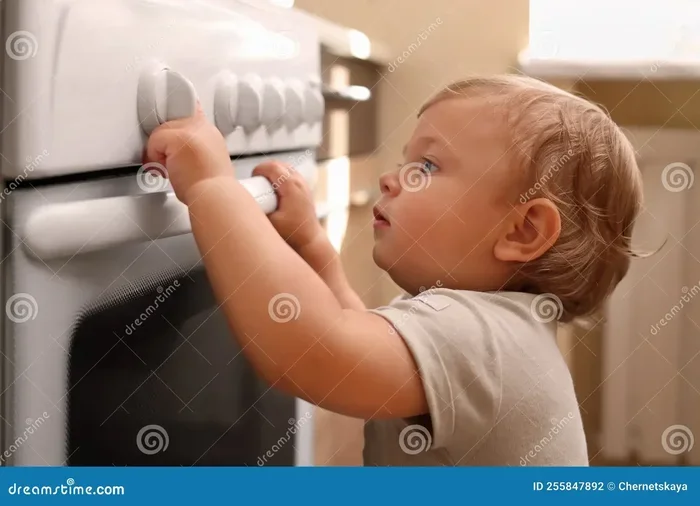
- Teach kids about kitchen safety. Even young children can learn to stay away from the stove when it’s on.
- Schedule annual gas oven inspections. A professional can check for combustion efficiency and safety issues.
- Monitor indoor air quality. Affordable air quality monitors can alert you to rising nitrogen dioxide or particulate levels.
These tips don’t require a big budget or a lot of time. But they add up to meaningful protection for your child’s lungs over months and years of daily cooking.
Common Mistakes Parents Make
Even well-meaning parents sometimes overlook simple things that increase their child’s exposure to gas oven pollutants. Here are mistakes to avoid:
- Ignoring the range hood. Many people only use it for grease, not for air quality. Use it every time you turn on the gas oven.
- Assuming if you can’t smell it, it’s safe. Many harmful gases like carbon monoxide and nitrogen dioxide are odorless. Your nose can’t detect them.
- Cooking with the kitchen door wide open and no ventilation. This can actually spread fumes to other rooms instead of removing them.
- Delaying asthma diagnosis. If your child shows symptoms, early intervention makes a huge difference in long-term outcomes.
- Overlooking other indoor air sources. Gas ovens aren’t the only culprit. Candles, incense, cleaning products, and fireplace use all contribute to indoor pollution.
Avoiding these mistakes doesn’t require perfection. Just awareness and a willingness to make small adjustments. Over time, these adjustments create a significantly healthier home environment.
Expert Insights on Gas Ovens and Childhood Asthma
We spoke with Dr. Sarah Chen, a pediatric pulmonologist who specializes in environmental lung health. She shared some valuable perspectives on the topic.
“Parents often don’t connect their child’s asthma flare-ups with their cooking habits. But the evidence is clear. Homes with gas cooking appliances have measurably higher levels of nitrogen dioxide, and children in those homes experience more respiratory symptoms. The good news is that simple interventions like proper ventilation can reduce exposure by 50 percent or more.”
Dr. Chen also emphasized the importance of a holistic approach. “It’s not just about the oven. It’s about the whole indoor environment. Look at your ventilation system, your cleaning products, your heating sources, and your cooking habits together. That’s where real change happens.”
Her advice resonates with what the research supports. Addressing indoor air quality comprehensively rather than focusing on a single source gives your child the best protection against respiratory problems.
Final Thoughts on Gas Ovens Kids Asthma
The connection between gas ovens kids asthma is real and supported by strong scientific evidence. Gas combustion releases pollutants that can harm developing lungs and trigger asthma symptoms in sensitive children. But knowledge is power. Once you understand the risks, you can take practical steps to reduce them.
Improving kitchen ventilation should be your top priority. Using your range hood, opening windows, and running an air purifier are simple, effective strategies. Adjusting your cooking habits and considering an eventual switch to electric or induction cooking can provide even greater protection.
Most importantly, pay attention to your child’s breathing. Watch for coughing, wheezing, or shortness of breath, especially around meal times. Early detection and intervention can change the course of your child’s respiratory health for the better.
Your kitchen should be a place of warmth and nourishment, not a source of hidden health risks. By taking the steps outlined in this guide, you’re creating a safer, healthier home for your family. Start with one or two changes today, and build from there. Your child’s lungs will thank you.
Frequently Asked Questions
Can a gas oven really cause asthma in children?
Research suggests that long-term exposure to gas oven emissions increases the risk of developing asthma symptoms in children. Nitrogen dioxide and particulate matter from gas combustion irritate airways and can contribute to chronic inflammation. While a gas oven alone may not cause asthma, it can be a significant contributing factor in susceptible children.
What is the safest way to use a gas oven with kids at home?
The safest approach is to ensure strong ventilation by using your range hood and opening windows while cooking. Keep children away from the kitchen during active cooking, clean burners regularly, and consider using an air purifier with a HEPA filter. These steps significantly reduce exposure to harmful pollutants.
Should I switch from a gas oven to an electric one if my child has asthma?
If your child has asthma, switching to an electric or induction oven can reduce their exposure to combustion pollutants. Many families with asthmatic children find that the switch leads to fewer symptoms and better overall respiratory health. If a full switch isn’t possible, focus on improving ventilation and cooking habits to minimize risks.
How can I test the air quality in my kitchen?
Affordable indoor air quality monitors are available online and at hardware stores. Look for monitors that measure nitrogen dioxide, particulate matter, and volatile organic compounds. Place the monitor in your kitchen during cooking to get real-time readings of pollutant levels. This data can help you understand how much your gas oven affects your home’s air.
Are gas oven fumes dangerous even when the oven is off?
When the oven is off, it doesn’t produce combustion pollutants. However, residual fumes from previous cooking can linger in the air, especially in poorly ventilated kitchens. Always ventilate your kitchen after cooking, and consider keeping the exhaust fan running for 15 to 20 minutes after you finish.
What age group is most at risk from gas oven pollutants?
Children under the age of five are at the highest risk because their lungs are still developing and they breathe more rapidly than adults. Infants and toddlers who spend most of their time at home are especially vulnerable. However, children of all ages with existing asthma or respiratory conditions should be protected from prolonged exposure to gas oven emissions.
=== CONCLUSION ===
Gas ovens kids asthma is a topic that deserves every parent’s attention. The evidence is clear that gas combustion pollutants can harm children’s respiratory health. But you don’t need to fear your kitchen. With better ventilation, smarter cooking habits, and awareness of the risks, you can protect your child while still enjoying home-cooked meals.
Start today. Open a window, turn on that range hood, and make one small change. Over time, these changes add up to a healthier home and happier, breathing kids. Your family deserves clean kitchen air, and now you have the knowledge to make it happen.