What Is The Best Temp To Cook Swordfish In Oven Today
Learning the best temp to cook swordfish in oven is the key to a perfect, flaky fillet every single time. Most swordfish cooks beautifully at 400°F to 425°F, giving you a golden crust and tender center. Whether you prefer your fish medium or well-done, the right oven temperature and timing make all the difference. This guide walks you through everything from prep to plating with easy, practical steps.
Cooking swordfish in the oven is one of the easiest ways to enjoy this delicious seafood. It requires minimal effort, and the results are restaurant-quality right in your own kitchen. But here is the thing — the swordfish oven temperature you choose can make or break your dish. Too hot and the outside burns while the inside stays raw. Too low and the fish dries out, losing all its natural moisture and flavor.
If you have ever wondered what the best temp to cook swordfish in oven really is, you are in the right place. This guide covers everything you need to know. From the ideal oven setting to cooking times, seasoning tips, and common mistakes to avoid, we have got you covered. By the end, you will feel confident enough to bake a perfect swordfish fillet every single time.
Key Takeaways
- Best Oven Temp: Cook swordfish at 400°F to 425°F for optimal flavor and texture.
- Internal Temperature: Aim for 145°F at the thickest part for safe, flaky swordfish.
- Cooking Time: A 1-inch thick fillet takes about 12 to 15 minutes in a preheated oven.
- Seasoning Matters: Simple herbs, olive oil, and lemon elevate swordfish without overpowering it.
- Avoid Overcooking: Use a meat thermometer and pull the fish early to keep it moist.
- Resting Is Important: Let swordfish rest for 3 to 5 minutes after baking for juicier results.
- Thickness Dictates Time: Thicker fillets need more time; thinner pieces cook faster at lower temps.
📑 Table of Contents
- The Ideal Swordfish Oven Temperature
- How Long to Cook Swordfish in the Oven
- Step-by-Step Oven-Baked Swordfish Recipe
- Common Mistakes When Cooking Swordfish
- Expert Tips for Perfect Swordfish Every Time
- Swordfish Doneness: How to Know When It Is Done
- Health Benefits of Oven-Baked Swordfish
- Seasonal Considerations for Swordfish
- Storing and Reheating Leftover Swordfish
- Conclusion
The Ideal Swordfish Oven Temperature
Finding the right swordfish oven temperature depends on a few factors. The thickness of your fillet, whether you like it medium or well-done, and the recipe you are following all play a role. But there is a sweet spot that works for most situations.
The general recommendation is to set your oven between 400°F and 425°F. This range is hot enough to create a beautiful golden sear on the outside while keeping the inside tender and juicy. At these temperatures, a standard 1-inch thick swordfish steak cooks through evenly without drying out.
Why 400°F to 425°F Works So Well
This temperature range is the Goldilocks zone for oven-baked swordfish. It is not so hot that the exterior scorches before the interior cooks. And it is not so low that the fish loses moisture over a long cook. Here is what happens at each setting:
- 400°F: Slightly gentler cooking. Great for thicker fillets that need more time. The fish cooks evenly and retains maximum moisture.
- 425°F: A bit faster and creates a nicer crust. Ideal for thinner swordfish steaks or when you want a slightly charred exterior.
Most home cooks and professional chefs agree that 425°F is the go-to swordfish oven temperature for a balanced result. You get a gorgeous golden top, flaky interior, and rich seafood flavor in about 12 to 15 minutes.
The Role of Internal Temperature
While oven temperature matters, the internal temperature of swordfish is what truly determines doneness. The USDA recommends cooking fish to an internal temperature of 145°F. At this point, the flesh turns opaque and flakes easily with a fork.
However, many seafood lovers prefer their swordfish steak temperature slightly lower — around 130°F to 135°F for a medium doneness. This gives you a moister, more tender bite with a slightly translucent center. If you like your fish on the rarer side, a food thermometer is your best friend.
| Doneness Level | Internal Temperature | Texture |
|---|---|---|
| Rare | 120°F – 125°F | Very translucent, raw center |
| Medium-Rare | 125°F – 130°F | Slightly translucent, tender |
| Medium | 130°F – 135°F | Opaque with slight pink center |
| Well-Done | 145°F+ | Fully opaque, firm flakes |
Pro tip: always measure the temperature at the thickest part of the fillet. The edges cook faster, so the center is what matters most for swordfish doneness.
How Long to Cook Swordfish in the Oven
Cooking time and temperature go hand in hand when baking swordfish in the oven. The general rule is simple — thicker pieces need more time, thinner pieces need less. But let us break it down so you can plan your meal with confidence.
Cooking Times by Thickness
Here is a handy guide for swordfish cooking time based on fillet thickness at 425°F:
- ½-inch thick fillets: 8 to 10 minutes. These cook fast, so keep a close eye on them.
- ¾-inch thick fillets: 10 to 12 minutes. A great middle ground for most recipes.
- 1-inch thick fillets: 12 to 15 minutes. This is the most common thickness and gives you the best results.
- 1½-inch thick fillets: 16 to 20 minutes. Thicker cuts need a slightly lower temp or a longer bake to cook through evenly.
Remember, these times are approximate. Your oven-baked swordfish is done when it reaches the internal temperature you prefer and the flesh flakes easily. Always use a fish thermometer to check. It is a small tool that makes a huge difference in cooking swordfish fillets perfectly.
Does Thawing Matter?
Yes, it absolutely does. If you are using frozen swordfish seafood, thaw it properly before baking. The best method is to place it in the refrigerator overnight. This ensures even cooking and prevents the outside from drying out while the inside is still frozen.
Never cook swordfish from frozen straight into a hot oven. It leads to uneven cooking — the edges overcook while the center remains icy. If you are short on time, you can thaw swordfish quickly by placing it in a sealed plastic bag and submerging it in cold water for about 30 minutes.
Step-by-Step Oven-Baked Swordfish Recipe
Now that you know the best temp to cook swordfish in oven, let us put that knowledge to work. Here is a simple, foolproof recipe that delivers amazing flavor with minimal effort.
Ingredients
- 2 swordfish steaks or fillets (about 1 inch thick)
- 2 tablespoons extra virgin olive oil
- 2 cloves garlic, minced
- 1 tablespoon fresh lemon juice
- 1 teaspoon dried oregano
- ½ teaspoon smoked paprika
- Salt and black pepper to taste
- Fresh parsley for garnish
- Lemon slices for serving
Instructions
- Preheat your oven to 425°F. Let it fully heat before placing the fish inside. A properly preheated oven ensures even cooking from the start.
- Prepare the swordfish. Pat the fillets dry with paper towels. This helps create a better sear and prevents steaming. Place them on a parchment-lined baking sheet.
- Make the seasoning mix. Combine olive oil, garlic, lemon juice, oregano, paprika, salt, and pepper in a small bowl. Mix well until it forms a paste.
- Coat the fish. Brush the seasoning mixture generously over both sides of each swordfish steak. Press it gently so it adheres to the surface.
- Bake for 12 to 15 minutes. The exact time depends on thickness. Start checking at 12 minutes. The fish is done when it reaches 145°F internally and flakes with a fork.
- Rest the fish. Remove from the oven and let it sit for 3 to 5 minutes. This allows the juices to redistribute, making each bite more flavorful.
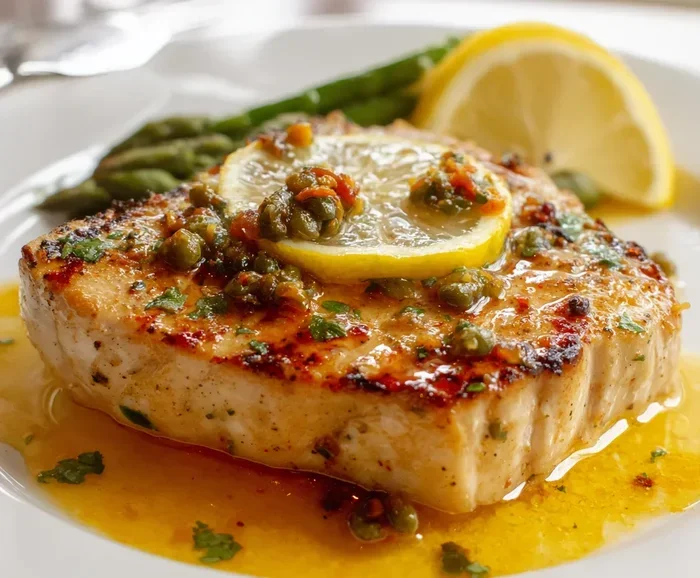
- Serve immediately. Garnish with fresh parsley and lemon slices. Pair with roasted vegetables, rice, or a crisp salad for a complete healthy fish recipe.
This swordfish recipe takes about 25 minutes from start to finish, including prep time. It is perfect for a weeknight dinner or a special occasion. The combination of olive oil, garlic, and lemon brings out the natural sweetness of the swordfish fillet without masking its delicate flavor.
Common Mistakes When Cooking Swordfish
Even experienced cooks make mistakes when baking swordfish in the oven. Knowing what to avoid saves you from dry, overcooked, or underseasoned fish. Here are the most common pitfalls and how to dodge them.
Mistake 1: Skipping the Preheat
Some people toss swordfish into a cold oven and hope for the best. This is a recipe for uneven cooking. A cold start means the fish sits in its own moisture for too long, leading to a steamed, mushy texture instead of a nice sear. Always preheat your oven for at least 10 to 15 minutes before baking.
Mistake 2: Using the Wrong Pan
Not all baking sheets are created equal. Thin, flimsy pans heat unevenly and can cause hot spots that burn parts of your swordfish steak. Use a heavy-duty, rimmed baking sheet lined with parchment paper or a silicone baking mat. This promotes even heat distribution and makes cleanup a breeze.
Mistake 3: Overcooking the Fish
This is the number one mistake people make with oven-baked swordfish. Swordfish continues to cook after you remove it from the oven. If you wait until it looks fully done in the oven, it will be dry and tough by the time it hits the plate. Pull it out when it is just slightly under your target doneness and let carryover cooking finish the job.
Mistake 4: Forgetting to Season
Swordfish has a mild, slightly sweet flavor that benefits from good seasoning. Some people skip this step entirely, expecting the fish to shine on its own. While swordfish is delicious on its own, a simple seasoning blend adds depth and complexity. At minimum, use salt, pepper, olive oil, and a squeeze of lemon.
Mistake 5: Cutting Into the Fish Too Early
It is tempting to check if the swordfish is done by cutting into it with a fork. This releases precious juices and can dry out the fillet. Instead, use a meat thermometer to check the internal temperature without disturbing the fish. You get accurate results and keep all those flavorful juices locked inside.
Expert Tips for Perfect Swordfish Every Time
Want to take your swordfish oven temperature game to the next level? These expert tips will help you achieve restaurant-quality results with every bake.
Bring the Fish to Room Temperature
Take your swordfish fillet out of the refrigerator 15 to 20 minutes before baking. This lets the fish cook more evenly from edge to center. Cold fish going into a hot oven creates temperature gradients — the outside overcooks while the inside catches up. A quick temper at room temperature solves this problem entirely.
Use a Wire Rack for Better Airflow
Instead of placing your swordfish directly on a baking sheet, set it on a wire rack. This allows hot air to circulate around the entire piece of fish, promoting even browning and preventing the bottom from getting soggy. It is a small change that makes a noticeable difference in the final result.
Add a Finishing Touch
For an extra layer of flavor, brush the swordfish with a little extra olive oil or melted butter right after it comes out of the oven. This adds a glossy finish and enhances the natural richness of the seafood. A sprinkle of flaky sea salt on top ties everything together beautifully.
Pair Swordfish with the Right Sides
Swordfish is a versatile seafood that pairs well with many sides. Here are some ideas that complement its mild, meaty flavor:
- Roasted Mediterranean vegetables (zucchini, bell peppers, eggplant)
- Lemon herb quinoa or couscous
- Crispy roasted potatoes
- A fresh tomato and cucumber salad
- Garlic sautéed spinach or kale
These sides work especially well with a Mediterranean swordfish preparation. The bright, fresh flavors of the Mediterranean region complement the rich taste of swordfish perfectly.
Swordfish Doneness: How to Know When It Is Done
Knowing when your swordfish is perfectly cooked is one of the most important skills in the kitchen. Unlike some meats, fish does not give you much room for error. Overcook swordfish by just a few minutes, and you lose its tender, moist quality.
Visual Cues of Done Swordfish
Here is what to look for when checking if your swordfish steak is ready:
- The flesh turns from translucent to opaque white.
- The fish flakes easily when gently pressed with a fork.
- The center is still slightly moist but not raw or jelly-like.
- The surface has a light golden-brown color from the oven heat.
If your swordfish still looks translucent in the center, it needs more time. If it is completely white and dry-looking, you have gone too far. The sweet spot is opaque with a hint of moisture remaining — this is where the best swordfish oven temperature results live.
The Touch Test
Experienced cooks often use the touch test as a quick check. Gently press the center of the swordfish with your finger or the back of a spoon. If it feels firm but still gives slightly, it is done. If it feels mushy or soft, it needs more time. If it feels very hard and rigid, it is overcooked. This method takes practice, but it becomes second nature over time.
The most reliable method, however, remains the food thermometer. It removes all guesswork and ensures consistent results every single time you bake swordfish in the oven.
Health Benefits of Oven-Baked Swordfish
Baking swordfish in the oven is not only delicious but also one of the healthiest ways to prepare seafood. Unlike frying, baking requires little to no added fat, preserving the natural nutritional profile of the fish.
Swordfish is an excellent source of lean protein, omega-3 fatty acids, and essential minerals like selenium and potassium. A single serving provides a significant portion of your daily protein needs without excessive calories or saturated fat. This makes oven-baked swordfish a fantastic choice for anyone following a healthy fish recipe lifestyle.
The Mediterranean swordfish style, with olive oil, lemon, and herbs, is particularly heart-healthy. The monounsaturated fats in olive oil combined with the omega-3s in swordfish create a powerful nutritional combination that supports cardiovascular health.
Seasonal Considerations for Swordfish
Swordfish season typically runs from summer through early fall in most regions. During peak season, swordfish is more affordable and often fresher at your local fish market. This is the perfect time to experiment with different swordfish oven temperature settings and flavor profiles.
In summer, try a lighter preparation with fresh herbs and a squeeze of citrus. In cooler months, go for a richer approach with butter, garlic, and roasted vegetables on the side. No matter the season, the best temp to cook swordfish in oven remains the same — 400°F to 425°F — delivering consistent, delicious results year-round.
Storing and Reheating Leftover Swordfish
If you have leftover oven-baked swordfish, proper storage is key to maintaining its quality. Let the fish cool to room temperature before refrigerating. Store it in an airtight container and consume within 2 to 3 days.
When reheating, avoid the microwave if possible. It can turn swordfish fillets rubbery and dry. Instead, reheat gently in the oven at 300°F for about 5 to 8 minutes. This low-and-slow approach preserves the moisture and texture of the fish. Alternatively, you can use a skillet over medium-low heat with a splash of olive oil.
Conclusion
Mastering the best temp to cook swordfish in oven opens up a world of delicious, healthy meal possibilities. The sweet spot for most swordfish recipes is 400°F to 425°F, with an internal temperature of 145°F for safe, flaky results. A 1-inch thick fillet cooks beautifully in about 12 to 15 minutes at this range, giving you a golden exterior and tender, juicy interior every time.
Remember to avoid common mistakes like skipping the preheat, using the wrong pan, or overcooking the fish. Invest in a good fish thermometer and bring your swordfish seafood to room temperature before baking. These small steps make a world of difference in the final dish.
With the tips, techniques, and recipe in this guide, you are fully equipped to bake swordfish in the oven like a pro. Whether you are a weeknight dinner hero or a weekend cooking enthusiast, oven-baked swordfish is a go-to meal that never disappoints. So preheat your oven, grab your swordfish fillet, and get ready to enjoy one of the best seafood dishes you will ever make at home.
Frequently Asked Questions
Can you cook swordfish at 350°F?
Yes, you can cook swordfish at 350°F, but it will take longer — about 20 to 25 minutes for a 1-inch fillet. This lower temperature works well for thicker cuts and gives you a gentler cook. However, you may miss out on the golden crust you get at higher temperatures.
Is it safe to eat swordfish medium-rare?
The USDA recommends cooking all fish to an internal temperature of 145°F for safety. However, many people enjoy swordfish at a medium doneness of 130°F to 135°F. If you prefer this, make sure your swordfish seafood is ultra-fresh and sourced from a reputable supplier. Freshness is the key factor in safely eating fish at lower temperatures.
How do you know if swordfish is undercooked?
Undercooked swordfish will have a translucent, jelly-like center and will not flake easily with a fork. Use a fish thermometer to check the internal temperature — anything below 130°F is considered undercooked for most people’s preferences. When in doubt, give it a few more minutes in the oven.
Can you bake frozen swordfish directly in the oven?
It is not recommended. Baking frozen swordfish leads to uneven cooking, with the outside overcooking while the inside remains frozen. Always thaw your swordfish fillet in the refrigerator overnight or in cold water for 30 minutes before baking for the best results.
What is the best way to season oven-baked swordfish?
Keep it simple for the best flavor. Olive oil, garlic, lemon juice, salt, pepper, and fresh herbs like oregano or thyme work beautifully on oven-baked swordfish. The fish has a mild, meaty flavor that pairs well with bright, Mediterranean-style seasonings. Avoid heavy spice blends that can mask the natural taste of the swordfish.
How long can you store cooked swordfish in the fridge?
Cooked swordfish keeps well in the refrigerator for 2 to 3 days when stored in an airtight container. Make sure it has cooled to room temperature before refrigerating. For longer storage, you can freeze cooked swordfish for up to 3 months, though the texture may be slightly softer after thawing.