Do You Need To Season A Dutch Oven Before First Use
Do You Need To Season A Dutch Oven before first use? The answer depends on the type of Dutch oven you own. Traditional cast iron Dutch ovens require a proper seasoning process to create a natural non stick cooking surface. Enameled Dutch ovens do not need seasoning but still benefit from a simple prep before cooking. This guide walks you through everything you need to know about preparing your Dutch oven for its very first use and beyond.
You just unboxed your new Dutch oven. It looks heavy. It looks sturdy. And maybe there is a question nagging at the back of your mind. Do you need to season a Dutch oven before you cook anything in it?
The short answer is yes if you have a bare cast iron Dutch oven. But there is more to it than just a simple yes or no. The type of Dutch oven you own matters a lot. Some come pre seasoned from the factory. Others arrive completely bare and ready for you to build up a protective layer from scratch. And then there are enameled versions that skip seasoning altogether.
Whether you are a beginner cook or a seasoned kitchen pro, understanding how to prep your Dutch oven before first use makes a huge difference. It affects flavor, cooking performance, and how long your pot lasts. This guide breaks down everything you need to know. We will cover why seasoning matters, how to do it step by step, and how to keep your Dutch oven in great shape for years to come.
Key Takeaways
- Cast iron Dutch ovens need seasoning: Bare cast iron requires a seasoning process before first use to protect against rust and create a non stick surface.
- Enameled Dutch ovens skip seasoning: These come with a factory coating and do not need a seasoning process but should be washed before first use.
- The seasoning process is simple: Apply food grade mineral oil, bake at high heat, and let it cool. Repeat for best results.
- Maintenance keeps your Dutch oven lasting decades: Regular cleaning and occasional re seasoning preserves the cooking surface and heat retention.
- Common mistakes ruin seasoning: Using soap on bare cast iron, soaking for long periods, or storing wet can cause rust and damage.
- Seasoning is not one time: You should re season your Dutch oven periodically to maintain its non stick coating and rust prevention.
📑 Table of Contents
What Is A Dutch Oven And Why Does It Need Seasoning
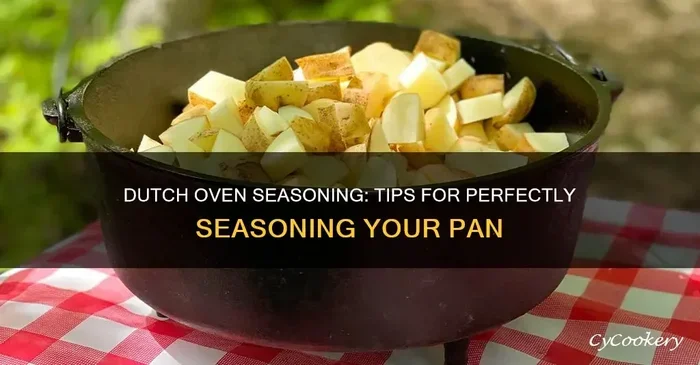
A Dutch oven is a thick walled pot with a tight fitting lid. It is one of the most versatile pieces of cookware you can own. You can use it on the stovetop, in the oven, over a campfire, or even as a baking vessel. The heavy construction gives it excellent heat retention and even heat distribution.
Most Dutch ovens are made from cast iron. Some are made from enameled cast iron. And a few are made from other metals like aluminum or stainless steel. The material determines whether you need to season the pot.
Why Cast Iron Needs A Seasoning Process
Cast iron is a porous metal. When it is bare, it has tiny openings on the surface. Food can stick to these pores. Moisture can seep in and cause rust. Seasoning fills those pores with a thin layer of polymerized oil. This creates a natural non stick coating.
The seasoning process involves applying a thin layer of oil and heating it past its smoke point. The heat causes the oil to polymerize. This means it bonds to the metal and hardens into a smooth protective layer. Over time, with repeated cooking and seasoning, this layer builds up. It makes the cooking surface smoother and more non stick.
A well seasoned cast iron Dutch oven also enhances the flavor of your food. Many cooks believe that the seasoned surface adds a subtle depth to dishes like cornbread, roasted meats, and stews. The seasoning also makes cleanup easier. Food releases more easily from a properly seasoned surface.
How Enameled Dutch Ovens Are Different
Enameled Dutch ovens have a glass like coating baked onto the cast iron. This coating eliminates the need for a seasoning process. You do not need to worry about rust prevention or building up layers of oil. The enamel provides a naturally non stick surface right out of the box.
Popular brands like Le Creuset and Staub are known for their enameled Dutch ovens. These pots come in a wide range of colors and look beautiful on the table. They also do not react with acidic foods like tomatoes or wine. Bare cast iron can interact with acidic ingredients and change the flavor of your food. Enameled pots avoid this problem entirely.
However, enameled Dutch ovens are not indestructible. The coating can chip if you drop the pot or use metal utensils aggressively. And enameled pots are generally heavier than their bare counterparts. They also cost more. But for many cooks, the convenience and beauty are worth it.
Do You Need To Season A Dutch Oven Before First Use
This is the question that brings most people here. And the answer is not always the same. It depends on what kind of Dutch oven you bought and what the manufacturer recommends.
Bare Cast Iron Dutch Ovens
If you bought a bare cast iron Dutch oven, you should season it before first use. Even if the manufacturer says it comes pre seasoned, many experts recommend adding another layer. The factory seasoning is often thin and uneven. A fresh seasoning layer gives you a better cooking surface from day one.
Popular brands like Lodge sell cast iron Dutch ovens that come with a light factory seasoning. But adding your own seasoning layers ensures the pot is fully protected. This is especially important if the pot has been sitting on a shelf for a while. The factory coating can wear down during storage.
The first seasoning also serves as a form of rust prevention. Cast iron is prone to rust when exposed to moisture. A good seasoning layer acts as a barrier between the metal and the air. It keeps your Dutch oven safe and ready to use whenever you need it.
Pre Seasoned Dutch Ovens
A pre seasoned Dutch oven has already gone through a basic seasoning process at the factory. The surface will feel slightly smooth and may have a dark appearance. But this initial seasoning is usually minimal.
Most cooking experts recommend doing at least one round of seasoning at home before you cook with a pre seasoned pot. This adds extra protection and improves the non stick properties. Think of it as a tune up before the real performance begins.
To check if your Dutch oven needs more seasoning, look at the surface. If it looks patchy or feels rough in spots, it needs more work. A well seasoned pot will have a smooth, even, dark finish across the entire cooking surface.
Enameled Dutch Ovens And Seasoning
Enameled Dutch ovens do not need seasoning. The factory enamel coating is the protective layer. You should wash the pot with warm water and mild soap before first use. This removes any dust or residue from shipping and storage.
Some people worry that washing an enameled pot will damage the coating. This is not true. The enamel is fired onto the metal at very high temperatures. It is durable and stable. A simple wash before first use is all you need.
Do not try to season an enameled Dutch oven. Adding oil and baking it will not improve the performance. The enamel surface is already non stick. Seasoning it would just leave a sticky residue that is hard to remove.
How To Season A Dutch Oven Step By Step
The seasoning process is simple. But doing it right makes all the difference. Here is a step by step guide to seasoning your cast iron Dutch oven before first use.
Step 1: Clean The Pot Thoroughly
Start by washing the Dutch oven with warm water and a small amount of mild dish soap. Use a soft sponge or cloth. Do not use abrasive scrubbers. You want to remove any dust, factory residue, or debris without scratching the surface.
Dry the pot completely with a clean towel. Then place it on a stove burner over low heat for a few minutes. This ensures there is no moisture left. Even a tiny drop of water can cause rust on bare cast iron.
Step 2: Apply A Thin Layer Of Oil
Choose a high smoke point oil for seasoning. Food grade mineral oil is the most popular choice. Flaxseed oil is another option that creates a very hard seasoning layer. Vegetable oil and canola oil also work well.
Use a clean cloth or paper towel to apply a very thin layer of oil to the entire pot. This includes the outside, the inside, the lid, and even the bottom. The key word here is thin. A thick layer of oil will not polymerize properly. It will leave a sticky residue instead of a smooth coating.
Think of it like painting a wall. You want a thin even coat. Not drippy, not globby. Just enough to cover the surface with a light shine.
Step 3: Bake The Dutch Oven Upside Down
Preheat your oven to 450 to 500 degrees Fahrenheit. Place a sheet of aluminum foil on the bottom rack to catch any drips. Set the Dutch oven upside down on the upper rack. Place a empty baking sheet or foil pan on the rack below to catch oil that drips off.
Bake the pot for one hour. The heat causes the oil to polymerize and bond with the metal. After one hour, turn off the oven and let the pot cool inside. Do not remove it while it is still hot. Rapid temperature changes can cause cracking.
Step 4: Repeat For Best Results
One round of seasoning is good. But two or three rounds are better. Repeat the oil application and baking process two to three times. Each layer adds to the non stick surface and improves rust prevention.
After the final round, let the pot cool completely. Then store it in a dry place. If you are not using the pot right away, place a paper towel inside to absorb any remaining moisture.
Quick Tips For A Perfect Seasoning Job
- Use a lint free cloth or paper towel for applying oil.
- Less is more. Too much oil creates a sticky mess.
- Bake upside down so oil drains off the edges evenly.
- Do not use olive oil. It has a low smoke point and does not polymerize well.
- Ventilate your kitchen. The oven will produce smoke during the process.
- Let the pot cool completely before handling.
Types Of Dutch Ovens And Their Seasoning Needs
Not all Dutch ovens are created equal. The type you buy determines how much prep work you need to do before cooking. Here is a closer look at the most common types.
Traditional Bare Cast Iron Dutch Ovens
These are the classic Dutch ovens. They are made entirely from cast iron with no coating. Brands like Lodge, Victoria, and Camp Chef are popular choices. They are affordable, durable, and incredibly versatile.
Bare cast iron Dutch ovens need a full seasoning process before first use. They also require regular maintenance. After each use, you should clean them without soap (or with very mild soap), dry them completely, and apply a light layer of oil before storing.
The upside is that these pots can last a lifetime. With proper care, a bare cast iron Dutch oven becomes better with age. The seasoning layer builds up over months and years of cooking. Many families pass down cast iron Dutch ovens from generation to generation.
Enameled Cast Iron Dutch Ovens
Enameled Dutch ovens have a glass like coating fused to the cast iron. They do not need seasoning. They are easy to clean and come in beautiful colors. Le Creuset and Staub are the most well known brands in this category.
The downside is cost. Enameled Dutch ovens can be three to five times more expensive than bare cast iron. They are also heavier. And the enamel can chip if you are not careful.
Enameled pots are great for people who want the cooking benefits of a Dutch oven without the maintenance. You can use soap to clean them. You can store them without drying them obsessively. And you do not need to worry about seasoning at all.
Pre Seasoned Dutch Ovens
Many modern Dutch ovens come pre seasoned from the factory. Lodge is the most famous example. These pots have a basic seasoning layer already applied. They are ready to cook with right out of the box.
But even pre seasoned pots benefit from an additional seasoning round before first use. The factory seasoning is thin. Adding your own layers improves performance and durability. It also gives you confidence that the pot is fully protected.
Comparison Table: Seasoning Needs By Dutch Oven Type
| Dutch Oven Type | Needs Seasoning | Maintenance Level | Price Range |
|---|---|---|---|
| Bare Cast Iron | Yes, full seasoning required | High | Low to Medium |
| Pre Seasoned Cast Iron | Yes, additional seasoning recommended | Medium | Low to Medium |
| Enameled Cast Iron | No | Low | High |
| Stainless Steel | No | Low | Medium |
Common Mistakes When Seasoning Your Dutch Oven
Seasoning a Dutch oven is not hard. But there are a few mistakes that can ruin the process. Avoiding these errors saves you time and frustration.
Using Too Much Oil
This is the most common mistake. People think more oil means better seasoning. It does not. Too much oil creates a sticky, uneven coating that never hardens properly. Always apply a very thin layer. Wipe off any excess with a clean cloth.
Skipping The Cleaning Step
Some people skip washing the pot before seasoning. This is a mistake. New Dutch ovens can have dust, metal shavings, or factory residue on them. Cleaning before seasoning ensures the oil bonds properly to a clean surface.
Using The Wrong Oil
Not all oils work for seasoning. Oils with low smoke points like olive oil or butter will not polymerize correctly. They leave a sticky, rancid residue. Stick with food grade mineral oil, canola oil, or flaxseed oil for best results.
Not Drying The Pot Completely
Cast iron and moisture are a bad combination. If you do not dry the pot thoroughly after washing, it can rust. Always dry your Dutch oven immediately after cleaning. You can even warm it on the stove for a minute to remove any remaining moisture.
Storing The Pot While Wet
Never store a Dutch oven while it is still wet. This applies to both bare and enameled pots. Moisture trapped inside the pot creates the perfect environment for rust. Always dry the pot completely and store it in a dry place with the lid slightly ajar for air circulation.
How To Maintain Your Seasoned Dutch Oven
Seasoning is not a one time event. A well seasoned Dutch oven needs regular care to stay in top shape. The good news is that maintenance is simple once you build a routine.
Cleaning After Each Use
After cooking, let the Dutch oven cool down before cleaning. For bare cast iron, avoid using dish soap if possible. Warm water and a stiff brush or chainmail scrubber work great. For enameled Dutch ovens, you can use mild soap without any issues.
Never soak a cast iron Dutch oven in water for long periods. This can cause rust. If food is stuck, boil some water in the pot for a few minutes to loosen it. Then scrape gently with a wooden or silicone spatula.
Drying And Oiling
After washing, dry the pot immediately with a towel. Then place it on a stove burner over low heat for a minute or two to remove any remaining moisture. Once dry, apply a very thin layer of oil to the cooking surface. This maintains the seasoning and prevents rust.
When To Re Season
Over time, the seasoning on your Dutch oven can wear down. You may notice food sticking more than usual. Or the surface may look dull or patchy. These are signs that it is time to re season.
Re seasoning is the same process as the initial seasoning. Clean the pot, apply a thin layer of oil, and bake at high heat. Most people re season their Dutch oven once a month or whenever they notice the surface degrading.
Expert Insights On Dutch Oven Care
Experienced cast iron users have a few tricks that go a long way. One is to cook fatty foods like bacon or roast pork to naturally build up the seasoning. The fats polymerize onto the surface during cooking and add to the non stick layer.
Another tip is to avoid cooking acidic foods too often in a bare cast iron Dutch oven. Tomatoes, wine based sauces, and citrus can strip the seasoning over time. If you do cook acidic foods, re season the pot afterward.
Some cooks also swear by the “salt cleaning” method. Coarse salt acts as a gentle abrasive. Add a handful of salt to the pot and scrub with a paper towel. This removes stuck-on food without damaging the seasoning.
Key Takeaways
- Cast iron Dutch ovens need seasoning before first use: This creates a protective non stick layer and prevents rust.
- Enameled Dutch ovens skip seasoning: They come with a factory coating and only need a simple wash before use.
- The seasoning process is easy: Clean, oil, bake, and repeat for best results.
- Use the right oil: Food grade mineral oil, canola oil, or flaxseed oil work best. Avoid olive oil and butter.
- Maintenance is key: Regular cleaning, drying, and occasional re seasoning keeps your Dutch oven performing well for decades.
- Avoid common mistakes: Too much oil, skipping the cleaning step, and storing wet pots all lead to problems.
The answer to the question “Do you need to season a Dutch oven” is clear. If you have a bare or pre seasoned cast iron Dutch oven, the seasoning process is essential. It protects your pot from rust, creates a natural non stick cooking surface, and improves the flavor of your food over time.
If you have an enameled Dutch oven, you can skip the seasoning entirely. But you should still wash it before first use and handle it with care to protect the enamel coating.
Either way, taking the time to properly prep your Dutch oven before first use pays off. A well seasoned Dutch oven is one of the most rewarding pieces of cookware you can own. It cooks beautifully, lasts for generations, and gets better with every meal you prepare in it.
Start with a good seasoning layer. Maintain it with simple care routines. And enjoy the many benefits that a properly prepped Dutch oven brings to your kitchen. The effort you put in at the beginning will reward you for years to come.
Frequently Asked Questions
Can I use my Dutch oven without seasoning it first?
If you have a bare cast iron Dutch oven, it is not recommended to use it without seasoning. The bare metal will cause food to stick and can lead to rust. Pre seasoned or enameled Dutch ovens are ready to use without additional seasoning.
How often should I re season my Dutch oven?
Most people re season their cast iron Dutch oven once a month or whenever they notice food sticking more than usual. Heavy use may require more frequent re seasoning. A simple test is to check if the surface looks dull or feels rough.
Can I use olive oil to season my Dutch oven
It is best to avoid olive oil for seasoning. Olive oil has a low smoke point and does not polymerize well. It can leave a sticky, rancid residue. Food grade mineral oil, canola oil, or flaxseed oil are much better choices for building a durable seasoning layer.
Is seasoning a Dutch oven difficult for beginners
Not at all. The seasoning process is simple and straightforward. You just need to clean the pot, apply a thin layer of oil, and bake it in the oven for one hour. Even complete beginners can do it with great results. It takes about 15 minutes of active work and one hour of baking time.
What is the best oil for seasoning a cast iron Dutch oven
Food grade mineral oil is the most popular and widely recommended choice. It is odorless, flavorless, and creates a smooth seasoning layer. Flaxseed oil produces a very hard seasoning but can be more brittle. Canola and vegetable oil are good all purpose alternatives that work well for most cooks.
Can I season my Dutch oven on the stovetop instead of the oven
Yes, you can season a Dutch oven on the stovetop. Apply a thin layer of oil, then heat the pot on low for 10 to 15 minutes. Let it cool completely before wiping off any excess oil. However, oven seasoning tends to produce more even results because the heat is distributed more consistently around the entire pot.
=== CONCLUSION ===
Do You Need To Season A Dutch Oven before first use? For cast iron Dutch ovens, the answer is a clear yes. The seasoning process protects the pot, creates a non stick surface, and sets the foundation for years of excellent cooking. For enameled Dutch ovens, seasoning is not necessary, but a simple wash before first use is always a good idea.
The steps involved are simple and quick. Clean the pot, apply a thin layer of food grade mineral oil, bake it upside down at high heat for one hour, and repeat if desired. Avoid common mistakes like using too much oil or skipping the drying step. With proper care and regular maintenance, your Dutch oven will serve you well for decades.
Take the time to prep your Dutch oven properly before you start cooking. The results will speak for themselves. Your food will taste better, your cleanup will be easier, and your pot will last a lifetime. A well seasoned Dutch oven is truly one of the best investments you can make for your kitchen.