What Foods Not To Bake In Toaster Oven For Beginners
Not all foods belong in a toaster oven. Baking the wrong items can lead to smoke, fire, uneven cooking, or a total kitchen disaster. This guide covers what foods not to bake in toaster oven and explains why certain toaster oven recipes fail or become dangerous. Whether you are a beginner or a busy home cook, these baking tips will save you time, money, and stress. Learn which small kitchen appliances work best for each type of food and keep your countertop oven running safely.
Key Takeaways
- Large roasts and whole chickens: These items are too big for a toaster oven and will cook unevenly, leaving raw spots and overcooked edges.
- High-sugar and frosted foods: Frosting melts fast, and sugary batters can ignite or create a dangerous mess inside your toaster oven.
- Glass dishes not rated for oven use: Regular glass can shatter from sudden heat changes, causing a serious safety risk.
- Greasy and oily foods: Excess grease drips onto heating elements, producing smoke, sparks, and potential grease fires.
- Whole eggs in shells: They can explode from built-up steam, creating a sticky and dangerous mess inside your mini oven.
- Plastic, paper, and non-oven-safe containers: These materials can melt or catch fire, releasing harmful fumes into your kitchen.
- Always use oven-safe dishes and parchment paper: This simple swap makes convection baking safer and more effective for your energy efficient cooking routine.
📑 Table of Contents
- Why Knowing What Not To Bake Matters
- Foods That Can Cause Fires Or Smoke
- Foods That Will Not Cook Evenly
- Foods That Will Make a Big Mess
- Foods That Pose Serious Safety Risks
- Comparison: Safe vs. Unsafe Foods for Toaster Ovens
- Quick Tips for Safe Toaster Oven Baking
- Common Mistakes Beginners Make
- Expert Insights on Toaster Oven Cooking
- Key Takeaways
- Conclusion
Why Knowing What Not To Bake Matters
A toaster oven is one of the most useful small kitchen appliances you can own. It heats up fast, uses less energy than a full oven, and handles many toaster oven recipes with ease. But here is the thing most beginners miss. Not every dish fits inside a countertop oven. Some foods simply do not belong in this compact cooking space.
When you put the wrong food in a toaster oven, bad things happen. You might see smoke billowing from the top. You could hear a loud pop or sizzle. In the worst cases, a small fire starts inside the appliance. None of these outcomes are fun to deal with. That is why understanding toaster oven safety matters so much.
This guide walks you through the specific foods you should never bake in a toaster oven. We also explain why each item causes problems. By the end, you will feel confident about what goes inside your mini oven and what stays on the counter. Let us dive into the details and keep your kitchen safe.
Foods That Can Cause Fires Or Smoke
Some foods create real fire and smoke risks when baked in a toaster oven. These are the items you should always keep far away from the heating elements. Understanding these dangers is the first step in toaster oven safety.
Greasy and Oily Foods
Foods loaded with grease or oil are a top danger. When hot grease drips onto the heating elements, it can ignite instantly. Think about greasy bacon, deep-fried chicken, or oily pizza with extra cheese. The fat renders and drips down. The heating element glows red hot. You get smoke, sparks, and possibly a grease fire.
Even foods that seem mildly greasy can cause problems over time. Repeated grease buildup inside the toaster oven creates a fire hazard that is hard to clean. Always line the tray with parchment paper and remove excess fat before cooking. But honestly, very greasy foods are best left to a full-size oven or a stovetop skillet.
High-Sugar Frosted or Glazed Foods
Frosted cakes, glazed donuts, and sugary pastries sound like great toaster oven recipes. But here is the catch. Sugar burns fast at high temperatures. A toaster oven concentrates heat in a small space. That means frosting melts, drips, and then caramelizes onto the heating elements. The result is smoke, a burnt smell, and sometimes flames.
If you want to warm up a frosted treat, use low heat for a very short time. But baking a fully frosted cake from scratch inside a countertop oven is a recipe for disaster. The sugar content makes it too risky. Save the elaborate frosting for a regular full-size oven instead.
Foods Wrapped in Aluminum Foil Improperly
Aluminum foil is useful in a toaster oven, but only when used correctly. Covering the entire tray or blocking airflow with foil causes heat to build up. The foil can touch the heating elements and spark. Metal-on-metal contact inside a small mini oven creates smoke and sparks that can start a fire.
Use small pieces of foil to cover food edges only. Never ball up foil and place it near the heating elements. If your toaster oven has a visible heating element on the top, keep foil away from that area entirely. The heat distribution inside a toaster oven is different from a full oven, and foil behaves differently in that tight space.
Foods That Will Not Cook Evenly
Uneven cooking is one of the most common frustrations with a countertop oven. Certain foods simply do not fit or work well in the small interior space. Here is what to avoid.
Large Roasts and Whole Chickens
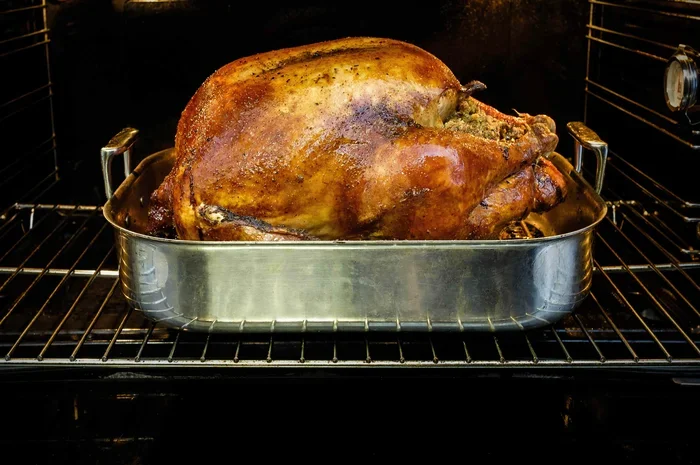
A toaster oven has a tiny interior compared to a standard oven. Trying to fit a large roast or a whole chicken inside is like trying to park a truck in a compact car spot. The food simply does not fit properly. Even if it does, the heat cannot circulate around it evenly.
The result is a roast that is burnt on the outside and raw on the inside. A whole chicken comes out dry on one side and undercooked on the other. Uneven cooking also creates food safety risks because the center may not reach a safe internal temperature. Stick to smaller cuts like chicken thighs or beef stew meat for your mini oven cooking sessions.
Large Loaves of Bread
Standard sandwich bread loaves are too tall and wide for most toaster ovens. The top of the loaf stays too close to the upper heating element. It burns while the bottom stays pale and doughy. Baking times become unpredictable because the heat cannot wrap around the loaf evenly.
If you love fresh bread, try baking smaller rolls or a mini loaf instead. These fit perfectly inside a toaster oven and bake evenly. You get that golden crispy texture on the outside and a soft inside without any burnt spots.
Foods with Excess Liquid or Soups
Can you bake soup in a toaster oven? The short answer is no. Soups, stews, and foods with high liquid content do not work in a countertop oven. The liquid sloshes around and spills over the edges of the dish. It drips onto the bottom of the oven and creates smoke or steam damage.
The small interior of a toaster oven does not allow for even steam distribution either. You end up with a partially dried top and a watery bottom. If you want to reheat soup, use a microwave alternative like the stovetop instead. Save the toaster oven for drier, solid foods.
Foods That Will Make a Big Mess
Some foods create a cleanup nightmare inside a toaster oven. The small space makes spills worse because there is nowhere for overflow to go. These are the mess-makers you want to avoid.
Batter Overflow from Overfilled Dishes
Batter overflow is a sneaky problem. When you fill a baking dish too full with cake batter or muffin mix, it expands during convection baking. In a full-size oven, overflow drips onto the bottom rack. In a toaster oven, it hits the bottom heating element directly. The batter bakes onto the element and creates a burnt, sticky mess that is very hard to clean.
Always fill baking dishes no more than two-thirds full when using a mini oven. This gives the batter room to rise without spilling over the edges. Use a smaller dish if needed to keep everything contained.
Cheese That Drips Off the Edges
We all love melted cheese. But in a toaster oven, cheese that drips off the edge of the dish becomes a serious problem. It hits the heating element, sizzles, and creates smoke. The burnt cheese sticks to the element and the oven floor. Each time you use the toaster oven after that, the residue burns again and smells terrible.
If you are making a cheesy dish, use a deep baking dish that keeps the cheese contained. Or place a piece of parchment paper under the dish to catch any drips. Clean up any spills immediately after the oven cools down to prevent buildup.
Foods That Pose Serious Safety Risks
Beyond mess and uneven cooking, some foods create genuine safety hazards. These are the ones you should never, ever put inside a toaster oven.
Whole Eggs in Their Shells
This one surprises a lot of people. You cannot bake a whole egg in its shell inside a toaster oven. As the egg heats up, steam builds inside the shell. There is no way for the pressure to release. Eventually, the egg explodes. It can happen inside the oven or right when you take it out.
A burst egg creates a mess of cooked egg whites and yolks all over the interior of your countertop oven. It can also splatter on your hands and face if you are not careful. Always crack eggs into a dish before baking them. This simple step prevents explosions and keeps you safe.
Non-Oven-Safe Glass and Plastic Containers
Not all glass is created equal. Regular glass from a pantry shelf or a takeout container can shatter inside a toaster oven. The sudden, intense heat causes thermal shock. The glass cracks or explodes, sending sharp pieces everywhere. This is a real fire hazard and a serious injury risk.
Only use oven-safe dishes that are specifically labeled as heat-resistant. Look for borosilicate glass, ceramic, or metal bakeware. Plastic containers should never go inside a toaster oven. They melt, warp, and release toxic fumes into your food and kitchen air. Keep all plastic far away from the heat.
Foods in Original Packaging
Never put food in its original cardboard, paper, or plastic packaging inside a toaster oven. The packaging can catch fire at high temperatures. Even microwave-safe containers are not always safe for toaster oven use. The heating elements in a mini oven reach higher temperatures in a confined space than a microwave does.
Always transfer food to a proper baking dish or tray before cooking. This one habit prevents fires and keeps your toaster oven working properly for years. It is one of the easiest baking tips you can follow.
Comparison: Safe vs. Unsafe Foods for Toaster Ovens
Use this quick comparison table to decide what belongs in your countertop oven and what does not.
| Safe to Bake | Not Safe to Bake |
|---|---|
| Small chicken pieces and fish fillets | Whole chickens and large roasts |
| Muffins, rolls, and small loaves | Large sandwich bread loaves |
| Pizza slices and small flatbreads | Deep-dish pizza with excess grease |
| Vegetables on parchment paper | Greasy and oily foods with dripping fat |
| Eggs cracked into a dish | Whole eggs in their shells |
| Oven-safe ceramic or metal dishes | Regular glass, plastic, or cardboard containers |
| Small portions of casseroles and baked pasta | Soups, stews, and high-liquid foods |
| Unfrosted or lightly topped pastries | Heavily frosted or sugary glazed foods |
Quick Tips for Safe Toaster Oven Baking
Follow these simple baking tips to get the best results from your mini oven every time:
- Always preheat your toaster oven. Give it 3 to 5 minutes before placing food inside. This ensures even heat distribution from the start.
- Use parchment paper or a silicone mat. These prevent sticking and make cleanup a breeze. They also protect the oven floor from drips.
- Place food in the center of the tray. This allows air to circulate around the dish for the most even convection baking results.
- Check food early and often. Toaster ovens cook faster than full ovens. Start checking baking times five minutes before the recipe suggests.
- Clean the oven after every use. Remove crumbs and food residue while the oven is still warm. This prevents smoke and odors during your next session of energy efficient cooking.
- Never leave the toaster oven unattended. Especially when cooking greasy or sugary foods. Stay nearby so you can react quickly if something starts to smoke.
Common Mistakes Beginners Make
Even experienced cooks make mistakes with their countertop oven. Here are the most common errors and how to avoid them.
Overcrowding the Tray
It is tempting to fit as much food as possible on the tray. But overcrowding blocks airflow. The result is soggy, unevenly cooked food. Give each item space to breathe. Cook in batches if you need to. Your toaster oven recipes will turn out much better with a little room to spare.
Using the Wrong Temperature Setting
Toaster ovens heat up differently than full ovens. A temperature that works perfectly in a standard oven might be too high for a mini oven. Start at a lower temperature and increase if needed. Most toaster oven recipes already account for this difference, so follow them closely at first.
Ignoring the Hot Air Vent
Every toaster oven has a vent that allows hot air to escape. Blocking it with food or foil restricts airflow and causes uneven cooking. Keep the vent clear at all times. This simple step improves heat distribution and prevents smoke buildup inside the appliance.
Expert Insights on Toaster Oven Cooking
Professional chefs who work with small kitchen appliances agree on one thing. A toaster oven is a powerful tool when used correctly. But it requires respect for its limits.
“The biggest mistake I see is treating a toaster oven like a regular oven,” says Chef Maria Torres, a culinary instructor with over 15 years of experience. “A countertop oven has a much smaller cavity and different heat dynamics. You need to adjust your expectations, your portions, and your timing. The foods that work best are smaller, thinner, and drier.”
Another expert tip from food safety specialist David Chen: “Always check that your bakeware is labeled oven-safe. People assume glass is glass, but regular glass and tempered glass behave completely differently under high heat. A shattered dish inside a toaster oven is not just a mess, it is a genuine safety issue.”
These insights reinforce the importance of knowing exactly what foods not to bake in toaster oven. Respect the appliance, use the right dishes, and choose appropriate foods. Your toaster oven safety and your cooking results will improve dramatically.
Key Takeaways
- Avoid large proteins: Whole chickens and big roasts do not fit and cook unevenly in a countertop oven. Choose smaller cuts instead.
- Skip high-sugar and frosted foods: Sugar burns fast and creates smoke or flames inside the small heating space.
- Never use non-oven-safe containers: Regular glass, plastic, and cardboard can shatter, melt, or catch fire.
- Keep grease and oil under control: Excess fat drips onto heating elements and creates a real fire hazard.
- Always use oven-safe bakeware and parchment paper: These simple choices make convection baking safer and cleaner.
- Transfer food from original packaging: Cardboard, paper, and plastic packaging are fire risks in a mini oven.
- Follow toaster oven recipes designed for compact ovens: They account for smaller interiors and different heat distribution patterns.
Conclusion
Knowing what foods not to bake in toaster oven is one of the most important skills you can develop as a home cook. A countertop oven is a fantastic tool for energy efficient cooking, but it has clear limits. Large roasts, greasy foods, high-sugar frostings, whole eggs in shells, and non-oven-safe containers all pose real risks. They can create smoke, fires, messes, or unevenly cooked meals.
The good news is that the list of foods you can bake is long and exciting. Small chicken portions, vegetables, fish fillets, muffins, pizza slices, and casseroles all work beautifully in a toaster oven. When you use the right dishes, the right temperatures, and the right portions, you get delicious results every time.
Start with simple toaster oven recipes and build your confidence gradually. Follow the baking tips in this guide. Respect the appliance and its limits. Over time, you will become skilled at mini oven cooking and enjoy the speed, convenience, and energy savings that a countertop oven provides. Stay safe, stay curious, and keep experimenting in the kitchen.
Frequently Asked Questions
Can you put aluminum foil in a toaster oven?
Yes, but only in small amounts and never touching the heating elements. Covering the entire tray or blocking airflow with foil causes dangerous heat buildup. Use small pieces to shield food edges and always keep foil away from the top element. This simple rule keeps your toaster oven safety intact and prevents sparks.
Is it safe to reheat pizza in a toaster oven?
Yes, reheating pizza is one of the best uses for a countertop oven. It keeps the crust crispy and melts the cheese evenly. Just avoid deep-dish pizza with excessive grease, as the oil can drip onto the heating element. Use a small baking tray and medium heat for the best crispy textures.
What glass dishes are safe for a toaster oven?
Only use glass bakeware that is labeled as oven-safe or tempered glass. Regular glass from your kitchen cabinet or takeout containers can shatter from thermal shock. Borosilicate glass and ceramic dishes handle the rapid temperature changes inside a mini oven without cracking. Always check the label before placing any dish inside.
Can you bake frozen foods directly in a toaster oven?
Many frozen foods work well in a countertop oven, including frozen vegetables, fish sticks, and small pizza rolls. However, very large frozen items like whole frozen chickens should be thawed first and are generally too big for the small interior. Always follow the package instructions and adjust baking times as needed for your mini oven cooking setup.
Why does my toaster oven smoke when I bake certain foods?
Smoke usually comes from excess grease dripping onto hot elements, sugar burning, or food residue buildup inside the oven. Greasy foods, sugary frostings, and cheese that drips off the dish are common culprits. Regular cleaning and using parchment paper help prevent smoke. If smoke persists, check for built-up food debris on the oven floor and bottom heating element.
What is the best way to line a toaster oven tray?
Parchment paper is the safest and most effective liner for a toaster oven tray. It handles heat well, prevents sticking, and makes cleanup easy. Avoid using wax paper, which can melt, and never let the paper touch the heating elements. A reusable silicone baking mat is also an excellent eco-friendly option for energy efficient cooking in your small kitchen appliances.