Learn How Long To Cook Filet Mignon In Oven For Medium
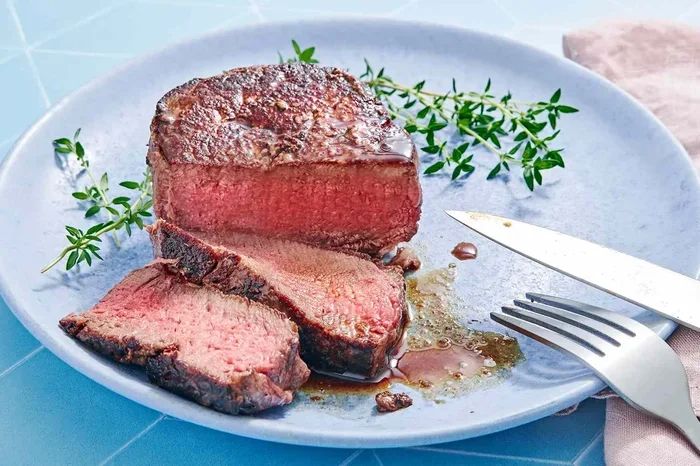
Learning how long to cook filet mignon in oven for medium is the key to a perfect steak at home. The ideal internal temperature for medium filet mignon is 135°F to 140°F, and cooking time typically ranges from 15 to 25 minutes depending on thickness. This guide covers everything you need, from oven temperature settings to resting times, so you can serve a restaurant-quality medium filet mignon with confidence. Whether you are a beginner or a seasoned home cook, these simple steps will help you achieve a juicy, pink-centered steak every time.
There is something truly special about a perfectly cooked filet mignon. It is tender, juicy, and elegant. Many people think this cut of beef is only for fancy restaurants, but that is far from the truth. With the right approach, you can cook a stunning medium filet mignon right in your own oven. The secret lies in understanding how long to cook filet mignon in oven for medium doneness, and this guide will walk you through every step.
Filet mignon comes from the beef tenderloin, which is one of the most tender cuts available. Because it is so lean, it cooks quickly and rewards precision. Too much time in the oven and you risk drying it out. Too little time and it may not reach your preferred level of doneness. This is why knowing the exact cooking time and temperature matters so much. Whether you are preparing a romantic dinner for two or impressing guests at a weekend gathering, mastering this technique will elevate your cooking game.
The good news is that cooking filet mignon in the oven is simpler than most people think. You do not need fancy equipment or years of experience. A basic oven, a cast iron skillet, and a meat thermometer are all you really need. In this article, we will cover everything from oven temperature settings to resting times, so you can confidently serve a beautiful medium steak that rivals any steakhouse. Let us dive in and make your next filet mignon a memorable one.
Key Takeaways
- Medium doneness is the sweet spot: A internal temperature of 135°F to 140°F gives you a warm pink center that is tender and juicy.
- Cooking time depends on thickness: A 1-inch thick filet mignon takes about 15 to 20 minutes, while a 2-inch thick cut needs 20 to 25 minutes at 400°F.
- Searing first makes a big difference: A quick sear on the stovetop before oven baking adds flavor and creates a beautiful crust.
- Always use a meat thermometer: Guessing leads to overcooked or undercooked steak. A reliable oven-safe thermometer is your best friend.
- Resting the steak is essential: Letting the filet mignon rest for 5 to 10 minutes after cooking keeps the juices locked inside.
- Season simply for best results: Salt, pepper, garlic, and fresh herbs are all you need to bring out the natural flavor of the beef.
- Quality beef matters: Choosing prime or choice grade beef tenderloin ensures a more flavorful and tender final result.
📑 Table of Contents
- Why Oven-Baked Filet Mignon Is a Game Changer
- How Long To Cook Filet Mignon In Oven For Medium
- The Perfect Oven Temperature for Medium Filet Mignon
- Step-by-Step Guide to Cooking Filet Mignon in the Oven
- Common Mistakes to Avoid When Cooking Filet Mignon
- Pro Tips for Restaurant-Quality Results
- Frequently Asked Questions
- Conclusion
Why Oven-Baked Filet Mignon Is a Game Changer
Cooking filet mignon in the oven offers several advantages over other methods. It gives you more control over the heat, which is especially important for achieving a consistent medium doneness throughout the steak. Unlike grilling, where hot spots can create uneven cooking, an oven provides gentle, surrounding heat that cooks the steak evenly from all sides.
Another benefit is convenience. You can sear the steak on the stovetop and then transfer it directly to the hot oven. This two-step approach gives you the best of both worlds: a flavorful, caramelized crust from the sear and a perfectly pink interior from the oven finish. It is a method that professional chefs use every day, and now you can too.
Oven baking also frees up your grill for other foods. If you are cooking for a crowd and need to prepare multiple dishes, using the oven for your filet mignon keeps things organized. You can bake vegetables, roast potatoes, or warm bread while your steak cooks to perfection. This makes the whole meal prep smoother and more enjoyable.
The Science Behind Medium Doneness
Understanding what happens inside the steak during cooking helps you appreciate why timing matters so much. When you cook beef to medium doneness, the proteins in the meat begin to denature but have not tightened completely. This leaves the interior warm and pink, with a soft, buttery texture that melts in your mouth. The fat has rendered enough to add flavor but not so much that the steak dries out.
At medium, the internal temperature sits between 135°F and 140°F. This is the sweet spot for filet mignon because the cut is naturally lean. Fattier steaks like ribeye can handle higher temperatures, but filet mignon benefits from staying closer to the lower end of the medium range. Going beyond 145°F starts to push the steak toward medium-well, which removes much of the juiciness that makes this cut so special.
How Long To Cook Filet Mignon In Oven For Medium
The cooking time for filet mignon depends on a few key factors. Thickness is the biggest one. A thinner steak cooks faster, while a thicker cut needs more time. The starting temperature of the meat also matters. A steak that comes straight from the refrigerator will take longer than one that has been brought to room temperature first.
Here is a general guide for how long to cook filet mignon in oven for medium at 400°F:
- 1-inch thick filet mignon: 15 to 18 minutes total (including searing time)
- 1.5-inch thick filet mignon: 18 to 22 minutes total
- 2-inch thick filet mignon: 22 to 25 minutes total
These times assume you have seared the steak first on the stovetop for about 2 minutes per side. The remaining time is spent finishing the steak in the oven. Always use a meat thermometer to check the internal temperature. The steak should read 135°F to 140°F when you pull it from the oven, as the temperature will continue to rise during resting.
Another factor that affects cooking time is whether you use a cast iron skillet or a regular baking sheet. Cast iron retains heat exceptionally well and helps create a better sear, which can slightly reduce the overall oven time. If you skip the sear and go straight to the oven, add a few extra minutes to the cooking time and check the temperature frequently.
Does Thickness Really Matter That Much?
Yes, thickness makes a significant difference. A thin filet mignon cooks through quickly, which means there is a smaller window between medium and overcooked. A thicker steak gives you more room for error because the heat takes longer to reach the center. This is why many steak lovers prefer thicker cuts, especially when learning how to cook filet mignon in the oven.
If you only have thin steaks, consider lowering the oven temperature slightly to 375°F. This slows down the cooking process and gives you more control. You can also use the reverse sear method, where you start in the oven at a low temperature and finish with a hot sear. This approach works beautifully for thin cuts and helps prevent overcooking.
The Perfect Oven Temperature for Medium Filet Mignon
Temperature control is the backbone of a perfect medium filet mignon. The most recommended oven temperature for finishing filet mignon is 400°F. This high heat cooks the steak quickly enough to retain moisture while still building a nice interior temperature. It is the sweet spot between cooking the steak through and keeping it tender.
Some cooks prefer a slightly lower temperature of 375°F, especially for thicker cuts. This slower approach gives the heat more time to penetrate evenly, reducing the risk of a gray band between the seared crust and the pink center. The trade-off is a slightly longer cooking time, but the results are often more consistent.
Here is a quick comparison of oven temperatures for medium filet mignon:
- 400°F: Best for 1 to 1.5-inch steaks. Faster cooking, great sear from stovetop finish.
- 375°F: Ideal for 1.5 to 2-inch steaks. More even cooking, slightly longer time.
- 350°F: Good for the reverse sear method. Start here and finish with a hot sear.
Whichever temperature you choose, preheating the oven is non-negotiable. A cold oven means uneven cooking and longer bake times. Give your oven at least 15 to 20 minutes to reach the target temperature before you put the steak in. This small step makes a big difference in the final result.
Why Preheat Your Oven?
Preheating ensures that the steak starts cooking the moment it enters the oven. If you place the steak in a cold oven, the gradual temperature rise can cause the outside to dry out before the inside reaches medium doneness. This is especially problematic for lean cuts like filet mignon, which have less fat to keep them moist during longer cooking times.
A hot oven also helps maintain the sear you created on the stovetop. The sizzle you hear when the steak hits the hot pan is the Maillard reaction at work, creating complex flavors and a beautiful brown crust. Plunging the seared steak into a preheated oven locks in that crust and continues the cooking process without resetting it.
Step-by-Step Guide to Cooking Filet Mignon in the Oven
Now that you understand the basics, let us walk through the process step by step. This method will help you achieve a perfect medium filet mignon with a gorgeous crust and a juicy, pink center.
Step 1: Prep the Steak. Remove your filet mignon from the refrigerator 30 to 45 minutes before cooking. Let it come to room temperature. This ensures more even cooking throughout the steak. Pat the meat dry with paper towels and season generously with salt and pepper. You can also add garlic powder, smoked paprika, or fresh herbs like thyme and rosemary for extra flavor.
Step 2: Sear the Steak. Heat a cast iron skillet over high heat until it is smoking hot. Add a high smoke-point oil like avocado oil or grapeseed oil. Place the steak in the skillet and sear for 2 to 3 minutes on each side. You want a deep brown crust, not a burned one. Use tongs to sear the edges as well for about 30 seconds each.
Step 3: Transfer to the Oven. Place the skillet directly into a preheated 400°F oven. Alternatively, you can transfer the seared steak to an oven-safe baking sheet. Cook for the appropriate time based on thickness, checking the internal temperature with a meat thermometer. Pull the steak when it reads 130°F to 135°F, as carryover cooking will raise the temperature to the medium range of 135°F to 140°F.
Step 4: Rest the Steak. This step is just as important as cooking. Transfer the steak to a cutting board and let it rest for 5 to 10 minutes. During resting, the juices redistribute throughout the meat. If you cut into it too soon, those juices will run out onto the plate, leaving you with a drier steak. Cover the steak loosely with aluminum foil during resting to keep it warm without trapping too much steam.
Step 5: Serve and Enjoy. Slice against the grain if desired, or serve whole with a drizzle of herb butter or a splash of red wine jus. Pair with roasted vegetables, mashed potatoes, or a simple side salad for a complete meal that feels both elegant and comforting.
Using a Meat Thermometer Correctly
A meat thermometer is the single most important tool for cooking filet mignon to medium doneness. Without it, you are essentially guessing, and guessing leads to inconsistent results. Insert the thermometer into the thickest part of the steak, avoiding any bone or fat. Wait a few seconds for the reading to stabilize before deciding whether to keep cooking.
For medium filet mignon, you want the thermometer to read between 130°F and 135°F when you pull the steak from the oven. Remember that the temperature will rise by about 5°F during resting, which brings it right into the ideal medium range of 135°F to 140°F. This carryover cooking effect is your friend, so factor it into your timing every time.
Common Mistakes to Avoid When Cooking Filet Mignon
Even experienced home cooks make mistakes when preparing filet mignon. Knowing what to avoid can save you from a disappointing meal. Here are the most common errors and how to prevent them.
Skipping the Rest Period. Cutting into the steak immediately after cooking is one of the biggest mistakes. The juices need time to settle back into the meat. Skipping the rest means losing flavor and moisture right onto your cutting board instead of enjoying it with every bite.
Not Seasoning Enough. Filet mignon is a lean cut with a mild flavor profile. It needs proper seasoning to shine. Salt should go on at least 40 minutes before cooking, or right before you sear. This gives the salt time to draw out moisture and then reabsorb it, creating a better texture and deeper flavor.
Using the Wrong Pan. A non-stick pan will not give you the sear you need. Cast iron is the gold standard for searing steak because it holds heat incredibly well and distributes it evenly. If you do not have cast iron, use the heaviest stainless steel or oven-safe skillet you own.
Overcooking by a Few Degrees. It is easy to go from medium to medium-well in just a few minutes. Set a timer, check the temperature frequently, and pull the steak early. The carryover cooking effect will bring it up to the right temperature during resting.
Starting with a Cold Steak. A cold steak from the refrigerator cooks unevenly. The outside can be overdone by the time the inside reaches medium. Always let the steak temper at room temperature for at least 30 minutes before cooking. This simple step improves both the texture and the flavor of your finished filet mignon.
Pro Tips for Restaurant-Quality Results
Taking your filet mignon from good to great is easier than you think. These expert tips will help you serve a steak that tastes like it came from a fine dining restaurant.
Use compound butter. A dollop of garlic herb butter melting over your medium filet mignon adds richness and depth. Mix softened butter with minced garlic, fresh parsley, and a pinch of salt. Place it on the hot steak right before serving and watch it melt into every crevice.
Baste the steak while it cooks. After searing, add butter, garlic cloves, and fresh thyme to the skillet before transferring to the oven. Use a spoon to baste the steak with the melted butter every few minutes. This technique infuses the meat with rich, savory flavor and creates a beautiful golden finish.
Choose quality beef. Not all filet mignon is created equal. Look for USDA Prime or Choice grade beef tenderloin when possible. These grades have better marbling and more flavor than standard select grades. The difference in taste and texture is noticeable, especially in a lean cut like filet mignon.
Experiment with marinades. While filet mignon is delicious on its own, a light marinade can add an extra dimension of flavor. A simple mixture of olive oil, balsamic vinegar, garlic, and fresh rosemary works wonders. Marinate for 30 minutes to 2 hours, then pat dry before searing. This gives you a more complex flavor profile without masking the natural taste of the beef.
Slice against the grain. If you are serving sliced filet mignon, always cut perpendicular to the muscle fibers. This shortens the muscle strands and makes each bite more tender. It is a small detail that makes a noticeable difference in the eating experience.
Pair with the right wine. A medium filet mignon pairs beautifully with a bold red wine. Cabernet Sauvignon, Malbec, or a rich Pinot Noir complement the buttery texture of the steak. Sipping the same wine you cooked with creates a cohesive dining experience that feels truly elevated.
Frequently Asked Questions
How long should I cook filet mignon in the oven for medium?
At 400°F, a 1-inch thick filet mignon takes about 15 to 18 minutes after searing, while a 2-inch thick cut needs 22 to 25 minutes. Always use a meat thermometer and pull the steak when it reaches 130°F to 135°F, as the temperature will rise during resting to reach the medium range of 135°F to 140°F.
What is the best internal temperature for medium filet mignon?
The target internal temperature for medium filet mignon is 135°F to 140°F. This gives you a warm pink center with a soft, juicy texture. Remember to account for carryover cooking, which raises the temperature by about 5°F after you remove the steak from the oven.
Should I sear filet mignon before putting it in the oven?
Yes, searing is highly recommended. A quick sear on the stovetop for 2 to 3 minutes per side creates a flavorful crust through the Maillard reaction. It also adds visual appeal and enhances the overall taste of the finished steak. The sear does not cook the steak through, which is why the oven finish is still necessary.
Can I cook filet mignon straight from the refrigerator?
You can, but it is not ideal. A cold steak will cook unevenly, with the outside potentially overcooking before the inside reaches medium. Letting the steak rest at room temperature for 30 to 45 minutes before cooking promotes more even heat distribution and better results.
How do I know when my filet mignon is done?
The most reliable way is to use a meat thermometer. Insert it into the thickest part of the steak and check for 135°F to 140°F for medium. You can also use the finger test, pressing the center of the steak to feel for firmness, but a thermometer removes all guesswork and ensures consistent results every time.
What is the reverse sear method for filet mignon?
The reverse sear involves cooking the steak slowly in a low-temperature oven (around 250°F) until it reaches about 120°F internally, then finishing with a hot sear on the stovetop. This method produces extremely even doneness from edge to edge and is especially effective for thicker cuts of filet mignon.
Conclusion
Mastering how long to cook filet mignon in oven for medium is a skill that will serve you well in the kitchen for years to come. The process is straightforward once you understand the key variables: thickness, oven temperature, searing time, and resting time. With a meat thermometer, a hot skillet, and a little patience, you can cook a filet mignon that is juicy, tender, and cooked to a perfect medium doneness every single time.
Remember that the details matter most. Bringing the steak to room temperature before cooking, searing it properly, using the right oven temperature, and letting it rest after baking are all small steps that add up to a big difference in the final result. Do not skip any of them if you want your filet mignon to truly shine.
Now that you have all the knowledge and tools you need, it is time to put them into practice. Choose a quality cut of beef tenderloin, season it well, and let your oven do the work. Whether it is a special occasion or just a quiet Tuesday night, a perfectly cooked medium filet mignon has a way of turning an ordinary meal into something extraordinary. Enjoy every bite and savor the satisfaction of creating a restaurant-worthy steak in your own kitchen.