What Is The Middle Rack In A 7 Rack Oven And Why It Matters
The middle rack in a 7 rack oven is the center position that offers the most balanced heat and airflow. Placing your dishes on the middle rack helps food cook evenly, prevents burning, and delivers consistent results. Understanding this oven rack position is a simple change that can transform your home cooking.
Have you ever opened your oven and wondered which rack level is truly the best spot for your food? If you own a 7 rack oven, you have plenty of options. But not all positions deliver the same results. The middle rack in a 7 rack oven stands out as the most reliable and versatile choice for everyday cooking.
Whether you are baking cookies, roasting vegetables, or warming up leftovers, rack placement plays a huge role in how your food turns out. The middle position gives you balanced heat, steady oven temperature, and even air circulation around your dishes. In this guide, we will explore everything you need to know about the middle rack and why it deserves your attention every time you cook.
Many home cooks overlook the importance of oven rack position. They simply place their pans wherever there is room. But this small habit can lead to unevenly baked goods, overcooked edges, and undercooked centers. Learning to use the middle rack correctly is one of the easiest ways to improve your cooking results without buying any new equipment.
Key Takeaways
- The middle rack is the most versatile position: It provides the best heat distribution and air circulation for most cooking tasks.
- A 7 rack oven offers more flexibility: But the middle rack remains the go-to spot for even baking and roasting.
- Rack placement affects cooking time and browning: Wrong positions lead to unevenly cooked food and hot spots.
- Multi-rack cooking requires adjustments: Rotate pans and adjust temperature for best results.
- Always use an oven thermometer: It helps you verify that the middle rack sits at the right temperature.
- Avoid common mistakes: Overcrowding racks and ignoring airflow can ruin your dishes.
- Regular maintenance improves performance: Clean racks and ovens cook more evenly and last longer.
📑 Table of Contents
Understanding The Middle Rack In A 7 Rack Oven
What Exactly Is The Middle Rack?
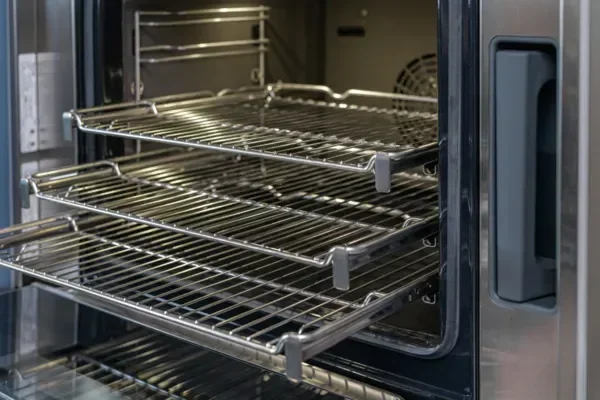
The middle rack in a 7 rack oven sits at the center of the oven cavity. In a standard 7 rack setup, there are three racks above the bottom element and three below the top element. The middle rack rests right in the center, equidistant from the top and bottom heating elements. This positioning is what makes it so effective for baking evenly and achieving consistent cooking time across your dishes.
Think of your oven as a room with heat flowing from the top and bottom. The middle rack sits in the zone where both heat sources meet in balance. This means your food receives warmth from above and below at roughly the same intensity. The result is more uniform browning, better rise in baked goods, and fewer surprises when you pull your dish out of the oven.
How A 7 Rack Oven Differs From Standard Ovens
A 7 rack oven gives you three more rack positions than a typical 5 rack model. This extra capacity is great for large families or meal preppers who need to cook multiple dishes at once. But it also means you have more choices to make about rack placement. With more racks, the temptation is to fill every level with pans. However, this can block air circulation and create uneven heat distribution.
The middle rack becomes even more important in a 7 rack oven because the outer racks are closer to the heating elements. The top racks face intense radiant heat from above, while the bottom racks sit close to the broiler or bottom burner. The center position avoids these extremes. That is why professional bakers and home cooking experts alike recommend the middle rack as the default starting point for almost any recipe.
Why Rack Position Affects Your Cooking Results
The Science Behind Heat Distribution
Your oven heats food through a combination of conduction, convection, and radiation. The middle rack benefits from all three methods in a balanced way. Conduction comes from the pan touching the rack, transferring heat directly to the food. Convection happens as hot air circulates around the dish, and the center of the oven allows air to flow freely from all directions. Radiation comes from the heating elements, and the middle rack receives it equally from top and bottom.
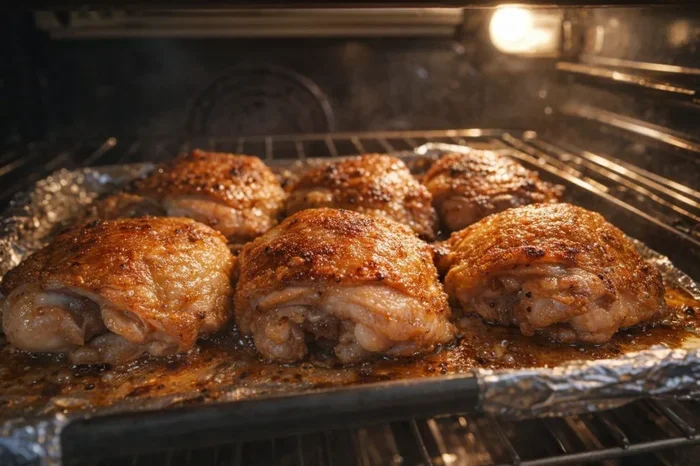
When you place a dish on the top rack, it gets hit with strong radiant heat from above. This causes rapid browning on the surface but can leave the inside undercooked. On the bottom rack, the heat from below can scorch the bottom of your pan while the top stays pale. The middle rack avoids both problems. It gives you gentle, even warmth that cooks food thoroughly from all sides.
How Air Circulation Impacts Even Cooking
Air circulation is one of the most overlooked factors in oven cooking. Hot air needs to move around your food to cook it evenly. On the middle rack, air flows freely around the dish without being blocked by the oven walls or heating elements. This steady flow of warm air helps prevent oven hot spots, which are areas where the temperature is significantly higher or lower than the rest of the oven.
If you have ever noticed that one corner of your cookie sheet burns while the other stays pale, you have experienced the effects of poor heat distribution. Moving your pans to the middle rack often solves this problem immediately. The center position gives your food the best chance to cook uniformly, with no burnt edges or raw centers.
Best Practices For Using The Middle Rack
When To Place Dishes On The Middle Rack
The middle rack is the best choice for a wide range of cooking tasks. Here are the situations where you should always reach for the center position:
- Baking cookies and biscuits: The middle rack ensures even browning on all sides, so every cookie comes out the same color.
- Roasting vegetables: Center placement gives you crispy edges without burning the tops or bottoms.
- Cakes and breads: These need gentle, even heat to rise properly, and the middle rack delivers exactly that.
- Lasagna and casseroles: Deep dishes benefit from balanced heat that reaches the center without overcooking the edges.
- Reheating leftovers: The middle rack warms food evenly without creating hot spots that can burn your meal.
As a general rule, if a recipe does not specify a rack position, default to the middle rack. It works for about 90 percent of everyday cooking tasks. This simple habit will improve your results immediately and consistently.
Common Mistakes People Make With Rack Placement
Even experienced cooks make mistakes with rack placement. Here are the most common errors to avoid:
- Placing too many pans on the same rack: Overcrowding blocks air circulation and creates steam pockets that make food soggy.
- Ignoring the oven manual: Every oven model has its own recommended rack positions. Check your manual for specific guidance.
- Forgetting to rotate pans: Even on the middle rack, ovens can have slight hot spots. Rotate your pans halfway through cooking for best results.
- Using the wrong pan size: A pan that is too large can touch the oven walls and block airflow, even on the center rack.
- Skipping the oven thermometer: Many ovens run hotter or cooler than their dial suggests. An oven thermometer on the middle rack gives you an accurate reading.
Avoiding these mistakes is one of the fastest ways to improve your oven cooking. Most of these fixes are free and take just a few extra seconds.
Multi-Rack Cooking Tips For Your 7 Rack Oven
Cooking On Multiple Racks At Once
One of the biggest advantages of a 7 rack oven is the ability to cook multiple dishes at the same time. But when you use more than one rack, you need to be strategic. The middle rack should always be your first priority for the dish that needs the most even cooking. Then you can add a second or third rack above or below as needed.
When cooking on multiple levels, place one dish on the middle rack and another on the rack above or below. The upper dish will receive more heat from above, while the lower dish gets more heat from below. To compensate, you can rotate the pans halfway through cooking. This simple step ensures that both dishes cook at a similar rate and come out evenly done.
Adjusting Cooking Time And Temperature
When you add more dishes to the oven, you change the heat distribution inside the cavity. Adding cold pans and food lowers the oven temperature temporarily. You may need to increase the temperature by 15 to 25 degrees or extend the cooking time by a few minutes. The middle rack is the least affected by these changes because it sits in the most stable temperature zone.
Here are some quick tips for multi-rack cooking:
- Preheat the oven fully before adding any dishes. This reduces the temperature drop when you open the door.
- Use the middle rack for the most important dish. If you are baking a cake and warming rolls, put the cake on the center rack.
- Leave space between pans. At least two inches of clearance around each pan allows air circulation to work properly.
- Check dishes early. Multi-rack cooking can change cooking time, so start checking for doneness a few minutes before the recipe suggests.
- Use a roasting pan on the lower rack to catch drips while keeping your main dish on the middle rack.
How To Identify The Middle Rack In Your 7 Rack Oven
Finding The Center Position
Finding the middle rack in a 7 rack oven is simpler than it sounds. Start by counting the racks from the bottom. In a 7 rack setup, the fourth rack from the bottom is the center position. This is your middle rack. If your oven has a rack that slides out easily, pull it out and look at where it sits in relation to the top and bottom heating elements.
Some ovens have a marking or label on the rack itself that indicates the center position. Check your oven manual if you are unsure. Many modern ovens also come with a diagram showing the recommended rack positions for different cooking tasks. The middle rack is almost always listed as the default position for general baking and roasting.
Using An Oven Thermometer For Precision
An oven thermometer is one of the best tools you can add to your kitchen. Place it on the middle rack and preheat the oven to your desired temperature. Wait at least 15 minutes and then check the reading. Compare it to the temperature dial on your oven. If there is a big difference, you now know your oven runs hot or cold, and you can adjust accordingly.
This simple step takes the guesswork out of cooking. Knowing your actual oven temperature on the middle rack helps you set the right cooking time and avoid undercooked or overcooked food every single time.
Expert Tips For Better Oven Performance
Maintaining Even Heat On The Middle Rack
Even the best oven performance can suffer if the appliance is not properly maintained. Here are expert tips to keep your middle rack cooking at its best:
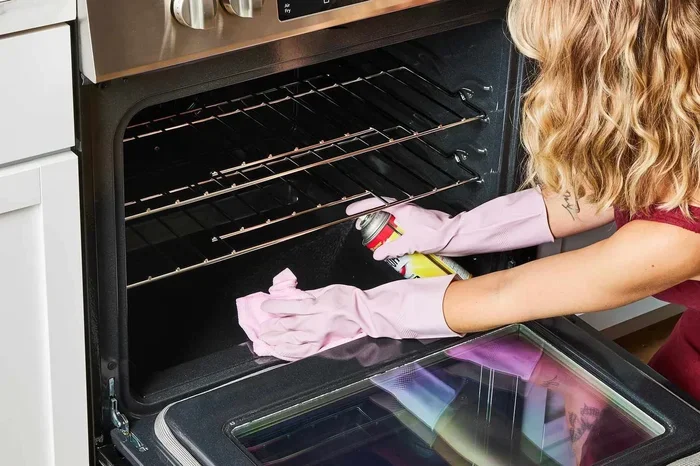
- Clean your oven regularly. Food spills and grease buildup can create smoke and affect heat distribution. A clean oven heats more evenly.
- Check your door seals. A worn seal lets heat escape, which throws off the temperature on the middle rack and everywhere else.
- Avoid opening the door too often. Every time you open the door, you release heat and disrupt air circulation. This is especially important when baking on the center rack.
- Use light-colored pans. Dark pans absorb more heat and can cause over-browning on the bottom. Light pans reflect heat and promote more even cooking.
- Place a baking stone or sheet on the bottom rack. This helps stabilize the oven temperature and improves heat flow to the middle rack.
The Role Of Your Oven Manual In Optimizing Rack Placement
Your oven manual is a valuable resource that many people overlook. It contains specific guidance for your model, including recommended rack placement for different types of cooking. Some ovens have unique features like convection fans or broil elements that change how heat moves through the cavity. Reading the manual helps you understand how these features interact with the middle rack and other positions.
Take a few minutes to flip through your manual or look up the PDF online if you have lost the printed copy. You may find tips and tricks specific to your oven that will help you get the best results from the middle rack every time you cook.
Key Takeaways
- The middle rack is the most versatile position: It provides the best heat distribution and air circulation for most cooking tasks.
- A 7 rack oven offers more flexibility: But the middle rack remains the go-to spot for even baking and roasting.
- Rack placement affects cooking time and browning: Wrong positions lead to unevenly cooked food and hot spots.
- Multi-rack cooking requires adjustments: Rotate pans and adjust temperature for best results.
- Always use an oven thermometer: It helps you verify that the middle rack sits at the right temperature.
- Avoid common mistakes: Overcrowding racks and ignoring airflow can ruin your dishes.
- Regular maintenance improves performance: Clean racks and ovens cook more evenly and last longer.
Conclusion
The middle rack in a 7 rack oven is the unsung hero of everyday cooking. It gives you balanced heat, steady oven temperature, and even air circulation that no other rack position can match. Whether you are baking a cake, roasting a chicken, or warming up pizza, the center rack delivers consistent, reliable results every time.
Understanding rack placement and using the middle rack as your default position is one of the simplest ways to elevate your home cooking. It costs nothing, takes no extra effort, and instantly improves the quality of your food. Pair this knowledge with an oven thermometer, regular cleaning, and a little attention to air circulation, and you will notice a real difference in every dish you prepare.
So the next time you preheat your oven, reach for the middle rack first. Your food will thank you. Make it a habit, share this knowledge with friends and family, and watch your cooking results improve with every meal.
Frequently Asked Questions
What is the middle rack in a 7 rack oven used for?
The middle rack in a 7 rack oven is the center position that provides the most balanced heat and airflow. It is ideal for baking, roasting, and reheating because it cooks food evenly on all sides. Most recipes that do not specify a rack position assume you will use the middle rack.
Can I bake on the top or bottom rack instead of the middle rack?
You can, but the results will be different. The top rack exposes food to more direct heat from above, which speeds up browning on the surface. The bottom rack gets more heat from below, which can crisp the bottom of your dish faster. For even cooking time and uniform results, the middle rack is almost always the best choice.
How do I find the middle rack in my 7 rack oven?
Count the racks from the bottom. The fourth rack in a 7 rack setup is the center position. Pull it out and check that it sits roughly equidistant from the top and bottom heating elements. Your oven manual may also include a diagram showing the recommended rack level positions.
Does the middle rack cook faster than other positions?
Not necessarily faster, but it does cook more evenly. Because the middle rack receives balanced heat from both the top and bottom elements, your food is less likely to burn on one side or stay raw on the other. This can effectively reduce cooking time because you avoid the need to rotate or reposition dishes as often.
Is the middle rack best for convection ovens too?
Yes, the middle rack works well in convection ovens. The fan in a convection oven circulates hot air throughout the cavity, but the center position still benefits from the most even airflow. If you are using multiple racks in a convection oven, keep at least one dish on the middle rack for the best results.
What should I do if my oven has hot spots on the middle rack?
Hot spots can happen even on the middle rack. To address them, place an oven thermometer on the center rack and check for temperature variations. You can also rotate your pans halfway through cooking, use a baking stone on a lower rack to stabilize heat, or avoid overcrowding the oven to improve air circulation.