How To Dehydrate Beets In Oven For Delicious Snacks
Want to make crispy, healthy snacks at home? Learning how to dehydrate beets in oven is simple and rewarding. You can turn fresh beets into crunchy beet chips in just a few hours. This guide shows you the exact steps for perfect oven dried beets every time. No fancy equipment needed—just your kitchen oven and a little patience.
Beets are a vibrant, nutritious root vegetable. They bring earthy sweetness to any dish. But did you know you can turn them into crunchy snacks? Learning how to dehydrate beets in oven is simple and rewarding. You don’t need a fancy dehydrator. Your kitchen oven works just fine. This method saves money and gives you full control over ingredients. Homemade beet chips are far better than store-bought ones. They’re crispy, flavorful, and free of preservatives. If you love dried beets or beet crisps, you’ll love this simple process. Let’s dive in and explore how to make perfect oven dried beets at home.
Dehydrating beets in oven is a timeless kitchen technique. It removes moisture while locking in nutrients. The result is a lightweight, shelf-stable treat. You can enjoy them as healthy beet snacks on hikes or at your desk. The process is gentle and requires minimal attention. Whether you’re a beginner or a seasoned cook, this guide will walk you through every step. We’ll cover everything from picking the right beets to storing your finished product. By the end, you’ll feel confident making your own batch of delicious beet chips.
Key Takeaways
- Easy Oven Method: You can dehydrate beets in oven without a special machine.
- Perfectly Crispy Chips: Low heat and thin slices create crunchy, healthy snacks.
- Full Control: Make homemade beet chips with no added sugar or preservatives.
- Long Shelf Life: Properly stored dried beets last for months.
- Versatile Use: Enjoy beet crisps as snacks, salad toppers, or blended into powder.
- Budget Friendly: Oven drying saves money compared to buying pre-made dehydrated beets.
📑 Table of Contents
Why Dehydrate Beets In The Oven?
Oven drying beets is one of the easiest preservation methods. It uses equipment you already own. You don’t need to buy a special dehydrator vs oven machine. Your regular oven can do the job beautifully. This approach is perfect for small batches. It’s also ideal if you only have a few beets to process.
Benefits Of Oven Dried Beets
Dried beets offer many advantages. They are lightweight and easy to carry. They don’t need refrigeration. You can keep them in your pantry for months. Oven dried beets retain most of their vitamins. They are a great source of fiber and antioxidants. Making your own homemade beet snacks means you control the salt and oil. You can leave them completely natural. The flavor is concentrated and intense. Each bite delivers a sweet, earthy punch.
Dehydrator Vs Oven
Some people wonder if a dehydrator is better. Both methods work well. A dehydrator uses warm air circulation. It dries food evenly over many hours. An oven uses dry heat from top and bottom elements. Ovens are hotter, so drying is faster. However, ovens use more energy. For a few beets, the oven is more efficient. For large quantities, a dehydrator might save time. But for most home cooks, the oven is perfect. It gives you excellent results with beet chips that are crispy and golden.
Quick Tip: Always use fresh, firm beets for the best texture. Soft or bruised beets can lead to uneven drying.
Choosing And Preparing Your Beets
Good preparation is the secret to great dehydrated beets. Taking time to select and prep your beets pays off. You’ll get more consistent results and better flavor.
Picking The Right Beets
Start at your local farmer’s market or grocery store. Look for beets that are small to medium-sized. They tend to be sweeter and more tender. Avoid beets with soft spots or deep cuts. The skin should be smooth and taut. Globe beets work best for chips. Chioggia beets with their candy-striped interior also dry beautifully. The color stays vibrant after drying. You can use red, golden, or candy beets. Each brings a slightly different flavor profile.
Washing And Slicing Techniques
Rinse your beets under cool running water. Use a vegetable brush to remove dirt. Don’t peel them yet. The skin helps protect the beet during the first phase of drying. Once clean, trim off the root tail and stem. Leave about a half-inch of the taproot attached. This prevents the slice from falling apart. Now it’s time to slice. Use a sharp knife or a mandoline slicer. Aim for uniform thickness of about one-eighth inch. Thin slices dry faster and become crispier. Thick slices may stay chewy in the center. Consistency is key for even beet dehydration.
Pre-Treatment Options
Pre-treating your beet slices is optional but helpful. It can preserve color and add flavor. A simple soak in lemon water works wonders. Mix one tablespoon of lemon juice into a bowl of water. Submerge your slices for five minutes. This prevents browning and brightens the red pigment. You can also soak in a light salt brine. This adds a subtle savory note. Another option is to toss slices with a tiny bit of olive oil. This helps them crisp up faster. Just use a very light coating. Too much oil will make them greasy.
Common Mistake: Skipping the pre-treatment can lead to dull-colored chips. The vibrant purple fades to brown without it.
Expert Insight: Chef Maria recommends soaking beet slices in apple cider vinegar for a tangy twist. She says it enhances the natural sweetness beautifully.
The Step-By-Step Oven Dehydration Process
Now that your beets are prepped, let’s get them into the oven. This is the heart of learning how to dehydrate beets in oven. Follow these steps carefully for the best outcome.
Setting Up Your Oven
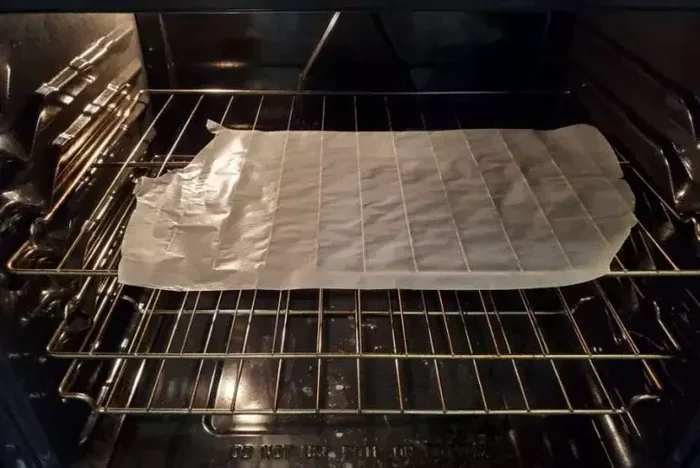
Preheat your oven to the lowest possible setting. Most ovens go down to 170°F (75°C). If yours only goes to 200°F, that works too. You want a very low, gentle heat. High heat will cook the beets instead of drying them. Line your baking sheets with parchment paper. This prevents sticking and makes cleanup easy. You can also use silicone baking mats. Avoid using bare metal sheets. The beets may fuse to the pan.
Arranging The Slices
Place your beet slices in a single layer on the prepared sheets. Do not overlap them. Leave a small gap between each slice. Air needs to flow freely around every piece. If you have limited oven space, use multiple trays. You can rotate them as they dry. Put the trays in the oven on the middle rack. If you’re using two racks, switch their positions halfway through. This ensures even drying on all sides.
Drying Times And Monitoring
Set a timer for one hour. Then check on your beets. The edges should start to curl slightly. They will feel dry to the touch. Depending on your oven and slice thickness, total time varies. Most batches take between four and eight hours. Check every hour after the first two. Thin slices may be done in three hours. Thick slices might need the full eight hours. The goal is a crisp, breakable texture. They should not be leathery or floppy. If they bend without breaking, they need more time.
Quick Tip: Rotate your baking trays 180 degrees every hour. This compensates for hot spots in most ovens and promotes even drying beets in oven.
Common Mistake: Overcrowding the baking sheet is the number one cause of uneven drying. Give your slices plenty of space.
Temperature And Time Settings For Perfect Beet Chips
Getting the temperature right is crucial for oven dried beets. Too hot and they burn. Too cool and they stay moist. Here is a detailed guide to help you dial in your settings.
Ideal Temperature Range
The sweet spot for dehydrating beets is between 125°F and 135°F (52°C to 57°C). This low temperature slowly pulls out moisture. It preserves the nutrients and natural color. If your oven cannot go that low, crack the door open slightly. This allows moisture to escape and keeps the temperature down. You can also prop the door with a wooden spoon. Never exceed 175°F (80°C). Higher temperatures will cook the beets instead of drying them. The result will be tough, cooked beets rather than crispy chips.
Time Guide By Beet Type
Different beets have different moisture levels. Golden beets are slightly less watery than red beets. Candy beets have a higher sugar content, which can caramelize faster. Here is a helpful comparison table to guide you.
| Beet Variety | Slice Thickness | Temperature | Estimated Time | Texture Result |
|---|---|---|---|---|
| Red Globe Beet | 1/8 inch | 130°F (54°C) | 5–7 hours | Crispy, deep purple chips |
| Golden Beet | 1/8 inch | 130°F (54°C) | 4–6 hours | Light, golden, tender-crisp |
| Chioggia (Candy) Beet | 1/8 inch | 125°F (52°C) | 6–8 hours | Crunchy, candy-striped crisps |
| Red Globe Beet | 1/4 inch | 130°F (54°C) | 7–9 hours | Chewy, leathery chips |
Quick Tip: If you want super crunchy beet chips, slice them thinner and extend the drying time by one hour. They will store longer too.
Storing And Using Your Dehydrated Beets
Once your dehydrate beets in oven project is complete, proper storage is essential. You’ve put in the work, and you want your healthy beet snacks to last.
Shelf Life And Storage Containers
Let your beet chips cool completely before storing. They will crisp up more as they cool. Any residual moisture will cause them to spoil. Use airtight glass jars or plastic containers. Mason jars work perfectly. You can also use resealable vacuum bags. Squeeze out as much air as possible. Store the containers in a cool, dark place. A pantry or cupboard is ideal. Properly dried beets can last for six to twelve months. If you notice any moisture or softness, use them within a week or discard them.
Creative Ways To Enjoy Dried Beets
Your beet crisps are delicious on their own. But you can also use them in many creative ways. Crush them into a coarse powder for a colorful seasoning. Sprinkle it over popcorn or roasted potatoes. Crumble dried beets into a fresh green salad. They add a burst of color and earthy flavor. Blend them into smoothies for an antioxidant boost. You can also make a homemade trail mix. Combine dried beet chips with nuts, seeds, and dark chocolate chips. The sweet and savory combination is irresistible. Kids love these healthy beet snacks in their lunchboxes.
Beet Powder: A Bonus Use
If you have a spice grinder, you can make beet powder. Simply pulse your dried beet chips until they become a fine dust. Beet powder is a natural food coloring. Use it to tint frostings, doughs, and sauces. It adds a subtle earthy flavor. Mix it into yogurt or oatmeal for a nutritional punch. The powder stores for months in an airtight jar. It’s a fantastic way to use any extra oven dried beets.
Key Takeaways
Remember these simple rules for success. Always slice your beets evenly for consistent drying. Keep the oven temperature low and steady. Allow plenty of time for moisture to escape. Store your finished product in airtight containers. With these steps, you’ll master the art of dehydrating vegetables in oven and enjoy delicious, nutritious snacks all year round.
Troubleshooting Common Problems
Even with the best recipe, things can go wrong. Here’s how to fix common issues and save your batch of beet chips.
Why Are My Beet Chips Chewy?
Chewy chips mean there’s still too much moisture inside. This usually happens for two reasons. First, your slices might be too thick. Second, the drying time wasn’t long enough. You can fix this by returning the chips to the oven. Dry them for another one to two hours at a lower temperature. Check them every 30 minutes. They should become brittle and snap easily when done.
Uneven Drying Issues
Some chips are crispy while others are soft. This points to uneven heat distribution. Your oven likely has hot spots. To solve this, rotate your trays every hour. Also, make sure your slices are the same thickness. If you don’t have a mandoline, try to cut by hand as evenly as possible. Using multiple racks can also cause airflow blockage. Stick to one tray at a time if possible.
When To Toss Them Out
Not every batch will be perfect. If you see any mold growing, discard the entire batch immediately. Mold can produce harmful toxins. If the beets have an off smell, like vinegar or fermentation, throw them away. Any chips that feel sticky or damp after drying should not be eaten. It’s better to start fresh than to risk foodborne illness.
Common Mistake: Storing warm beets in a closed container traps steam. This creates moisture and leads to spoilage. Always cool them completely first.
Expert Insight: Food scientist Dr. Lee explains that the ideal moisture content for long-term storage is below 10 percent. A simple test is to break a chip. If it snaps cleanly, it’s ready for the jar.
Conclusion
Learning how to dehydrate beets in oven is a rewarding skill. It transforms a humble root vegetable into a crunchy, healthy snack. You now know how to select, prep, and dry beets perfectly. You understand the ideal temperature and time settings. You can troubleshoot common problems and store your creation for months. Homemade beet chips are far superior to anything from a store shelf. They’re full of flavor, color, and nutrition. Start with a small batch this weekend. Experiment with different beet varieties and seasonings. Soon, oven dried beets will be a staple in your kitchen. Enjoy the process and the delicious results!
Frequently Asked Questions
Can I dehydrate beets in oven without parchment paper?
Yes, you can, but parchment paper makes cleanup much easier and prevents sticking. If you don’t have it, use a silicone baking mat or lightly grease the sheet with oil.
How long do dehydrated beets last in storage?
Properly dried and stored beets can last six to twelve months in an airtight container kept in a cool, dark pantry. Check for moisture every few weeks.
Can I use a convection oven for dehydrating beets?
Absolutely. A convection oven is excellent for this task because the fan circulates hot air evenly. You may need to reduce the temperature by about 10 degrees and check them more often.
Are dehydrated beets healthy snacks?
Yes, they are. Dried beets retain most of their fiber, potassium, and antioxidants. They are a low-calorie, nutrient-dense alternative to potato chips and other processed snacks.
What’s the difference between beet chips and dried beets?
Beet chips are typically sliced thin and dried until completely crisp. Dried beets can refer to slightly thicker pieces that may remain chewy. Both are made the same way in the oven.
Can I add seasonings before drying the beets?
Yes, you can. Lightly sprinkle salt, paprika, garlic powder, or a touch of cinnamon on the slices before drying. Just use very small amounts to avoid adding moisture.