How To Cook Fresh Okra In The Oven For Best Results
Learning how to cook fresh okra in the oven is one of the easiest ways to enjoy this nutritious vegetable without the slimy texture many people fear. This guide covers everything from picking the best pods at the store to seasoning and baking them to golden perfection. You will discover simple techniques that turn ordinary okra into a crispy, delicious side dish or snack the whole family will love.
There is something magical about how to cook fresh okra in the oven that turns a simple vegetable into a crowd-pleasing dish. Many people avoid okra because of its reputation for being slimy. But here is the good news. When you roast okra in the oven, something wonderful happens. The high heat draws out moisture and leaves behind a crispy, golden exterior with a tender inside. Whether you are a longtime okra fan or someone who has never tried it, this method will change your mind.
Fresh okra is available at most grocery stores and farmers markets from summer through early fall. It is affordable, packed with nutrients, and incredibly versatile. You can serve it as a side dish, toss it into salads, or even turn it into a healthy snack. The best part? You do not need a lot of fancy equipment. A basic oven, a baking sheet, and a few simple ingredients are all you need. This guide walks you through every step so you get perfect results every single time.
In this article, we will cover everything you need to know about baking fresh okra. From selecting the best pods at the store to choosing the right seasoning, you will find practical tips and easy-to-follow instructions. Let us dive in and make the best oven-roasted okra you have ever tasted.
Key Takeaways
- Oven-roasting okra eliminates sliminess: High heat and proper preparation keep okra tender inside and crispy outside.
- Temperature matters a lot: Baking at 425°F to 450°F gives the best texture for crispy oven okra.
- Seasoning is simple and flexible: A few basic spices transform fresh okra into a flavorful snack or side dish.
- Slice thickness affects cooking time: Thinner okra fries faster and gets crispier than thick whole pods.
- Cornmeal coating adds crunch: A light cornmeal breading creates restaurant-quality crispy okra fries at home.
- Fresh okra is highly nutritious: It is rich in fiber, vitamin C, and antioxidants with very few calories.
- Prep work prevents sticking: Parchment paper and proper oiling keep okra from sticking to the baking sheet.
📑 Table of Contents
- Why Oven-Roasted Okra Is A Game Changer
- How To Prepare Fresh Okra For The Oven
- The Best Oven Temperature And Time For Okra
- Seasoning Ideas And Flavor Combinations
- Tips For Crispy Okra Without Slime
- Serving Suggestions And Meal Pairings
- Okra Nutrition And Health Benefits
- Comparing Cooking Methods For Okra
- Storing And Reheating Leftover Okra
- Conclusion
Why Oven-Roasted Okra Is A Game Changer
The Benefits Of Cooking Okra In The Oven
Cooking okra in the oven offers many advantages over other methods. When you roast okra, you use dry heat instead of boiling or frying. This means less oil and fewer calories. It also means no messy stovetop cleanup. The oven does all the work for you while you prepare the rest of your meal.
Here are some key benefits of oven-baked okra:
- Less sliminess: High oven heat evaporates moisture quickly, which is the main cause of okra’s slimy texture.
- Even cooking: The heat surrounds the okra evenly, so every piece cooks at the same rate.
- Hands-off preparation: Once the okra is on the baking sheet, you can focus on other tasks.
- Easy to scale: You can cook a small batch or feed a crowd with the same method.
- Healthier than frying: Oven-baked okra uses a fraction of the oil compared to deep-fried versions.
Many people who say they do not like okra have simply never tried it roasted. The texture and flavor are completely different from boiled or fried okra. Once you try oven-roasted fresh okra, you will understand why it has become so popular in kitchens across the country.
Okra Without The Slime Factor
The number one concern people have about okra is the slimy texture. This happens when okra is cut and exposed to moisture for too long. The inside of okra contains a natural substance called mucilage. When cooked with wet methods like boiling or stewing, this mucilage thickens and creates that slippery feeling.
But here is the secret. Roasting okra in the oven actually reduces sliminess. The dry, intense heat quickly evaporates surface moisture before the mucilage has a chance to develop. Keeping the okra whole or slicing it just before cooking also helps. And here is another tip. Do not wash sliced okra and then let it sit. Pat it dry immediately after rinsing and get it into the oven right away.
Some cooks also soak sliced okra in vinegar or lemon juice before baking. This acidic bath helps break down the enzymes that cause sliminess. It is a simple trick that makes a big difference. Once you master these techniques, you will never go back to boiled okra again.
How To Prepare Fresh Okra For The Oven
Selecting The Best Fresh Okra
Picking the right okra is the first step to great results. Fresh okra should feel firm and snap when you bend it. Look for pods that are bright green and about 2 to 4 inches long. Smaller pods tend to be more tender and less seedy. Avoid okra that looks limp, discolored, or bruised.
Here is what to look for when buying fresh okra:
- Firm texture: The pod should snap easily when bent.
- Bright green color: Avoid yellowing or browning on the skin.
- Small to medium size: Pods under 4 inches are usually the most tender.
- No blemishes: Look for smooth skin without dark spots or cuts.
- Fresh stems: The stem end should look moist and vibrant, not dried out.
If you buy okra from a farmers market, you are getting it at peak freshness. Store unwashed okra in the refrigerator in a paper bag or wrapped in a paper towel. Use it within two to three days for the best flavor and texture. The longer okra sits, the more fibrous and tough it becomes.
Washing, Trimming, And Slicing Techniques
Preparing okra for the oven is quick and easy. Start by rinsing the whole pods under cool running water. Do not soak them. Pat them completely dry with a clean kitchen towel or paper towels. This step is important because extra moisture can lead to steaming instead of roasting, which causes sliminess.
Next, trim off the stem end. You do not need to remove the cap completely. Just cut about a quarter inch off the top. If the pod is very large, you can also trim the bottom tip. Then decide how you want to cut your okra.
There are several ways to slice okra for oven cooking:
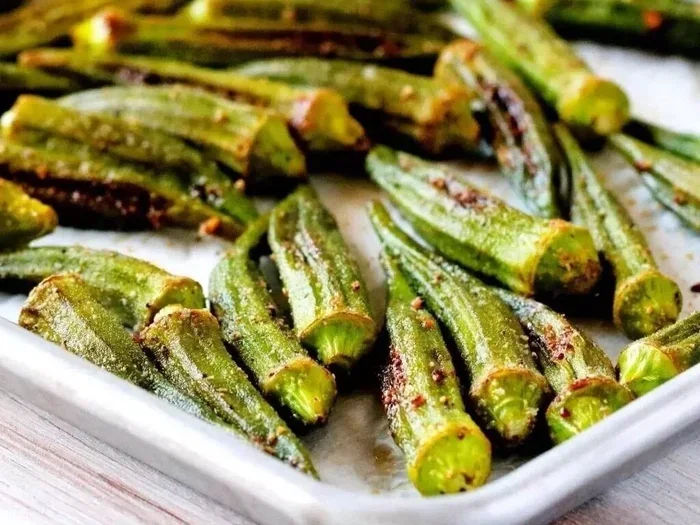
- Whole pods: Best for roasting whole. They hold their shape well and have less surface area exposed to moisture.
- Half-length slices: Cut the pod in half lengthwise. This creates more surface area for browning and seasoning.
- Round rounds: Slice into 1/4-inch rounds. These are perfect for making okra fries and crispy snacks.
- Thin coins: Slice as thin as 1/8 inch for the crispiest results. Thin slices roast faster and get crunchier.
For the crispiest oven-baked okra, thin rounds work best. They cook quickly and develop a golden crust on the edges. Whole pods take a bit longer but stay tender inside with a lightly crispy skin.
The Best Oven Temperature And Time For Okra
Temperature Settings That Work
Getting the temperature right is crucial for perfect roasted okra. The ideal range is between 425°F and 450°F. At this high heat, the outside of the okra caramelizes quickly while the inside stays moist and tender. Lower temperatures will steam the okra and make it soggy. Higher temperatures can burn the outside before the inside is cooked through.
Here is a simple temperature guide for different results:
- 425°F: Great for whole pods and thicker slices. Gives a gentle roast with a tender interior.
- 435°F: The sweet spot for most okra preparations. Balanced crispiness and tenderness.
- 450°F: Best for thin rounds and okra fries. Creates maximum crunch in less time.
Always preheat your oven before placing the okra inside. A hot oven from the start ensures even cooking and better browning. If you are using a convection setting, reduce the temperature by about 25°F. The fan circulates hot air more efficiently, so things cook faster and more evenly.
Timing Guide For Different Cuts
The okra cooking time depends on how you cut the pods. Thinner pieces cook faster, while whole pods take a bit longer. Here is a general timing guide to help you get it right every time.
- Whole pods: Roast for 15 to 20 minutes at 425°F. Flip halfway through for even browning.
- Half-length slices: Roast for 12 to 15 minutes at 435°F. They are done when the edges turn golden brown.
- Thin rounds (1/4 inch): Roast for 10 to 15 minutes at 450°F. Check frequently to prevent burning.
- Very thin coins (1/8 inch): Roast for 8 to 12 minutes at 450°F. These can go from perfect to burnt quickly.
Shake the baking pan gently halfway through cooking. This helps the okra cook evenly on all sides. You will know the okra is done when it looks golden and feels firm when you poke it with a fork. If you like extra crispy okra, add two to three more minutes. Just keep a close eye on it to avoid burning.
Seasoning Ideas And Flavor Combinations
Simple Seasonings For Beginners
One of the best things about how to cook fresh okra in the oven is how easy it is to season. You do not need a long list of fancy ingredients. A few basic spices can transform plain okra into something extraordinary. Here are some simple combinations to start with:
- Classic savory: Olive oil, salt, black pepper, and garlic powder. This is the go-to combination for a reason. It brings out the natural flavor of the okra.
- Southern style: Paprika, cayenne pepper, onion powder, and a touch of brown sugar. This gives you that traditional southern flavor with a hint of sweetness.
- Herb garden: Olive oil, dried thyme, dried oregano, salt, and a squeeze of lemon juice after baking. Light and fresh.
- Spicy kick: Smoked paprika, chili powder, cumin, and a pinch of cayenne. Perfect for those who like heat.
Toss the sliced okra with a small amount of oil first. Just enough to lightly coat each piece. Too much oil will make the okra greasy instead of crispy. Then sprinkle your seasonings evenly over the okra and toss again to distribute the flavors.
Bold And Creative Flavor Profiles
Once you master the basics, you can start experimenting with bolder flavors. Okra seasoning is a wonderful canvas for creativity. Here are some ideas to try:
- Ranch style: Mix ranch seasoning powder with a little olive oil. This creates a flavor that pairs perfectly with the mild taste of okra.
- Asian-inspired: Soy sauce, sesame oil, a sprinkle of five-spice powder, and sesame seeds. Toss the okra in this mixture before baking for an umami-rich side dish.
- Mediterranean: Olive oil, lemon zest, dried rosemary, and crumbled feta cheese sprinkled on top after baking.
- BBQ okra: Brush the okra with a thin layer of barbecue sauce before the last five minutes of roasting. The sugar in the sauce caramelizes beautifully.
You can also make okra fries by coating sliced okra in a light cornmeal and spice mixture. Spread them in a single layer on the baking sheet and bake until golden and crunchy. These make an excellent healthy alternative to regular french fries and are a hit with kids and adults alike.
Tips For Crispy Okra Without Slime
The Cornmeal Coating Trick
If you want extra crispy oven-baked okra, try a light cornmeal coating. Cornmeal creates a crunchy exterior that seals in moisture and adds texture. Here is how to do it:
- Preheat your oven to 450°F and line a baking sheet with parchment paper.
- Slice fresh okra into 1/4-inch rounds and pat them completely dry.
- In a bowl, mix cornmeal with salt, pepper, garlic powder, and a drizzle of olive oil.
- Toss the okra rounds in the cornmeal mixture until lightly coated.
- Spread them in a single layer on the baking sheet. Do not overlap the pieces.
- Bake for 10 to 15 minutes, shaking the pan halfway through.
The cornmeal coating absorbs surface moisture and creates a barrier that prevents sliminess. The result is crunchy, flavorful crispy okra that tastes amazing on its own or alongside your favorite main dish.
Avoiding Common Mistakes
Even with the best recipe, small mistakes can affect your results. Here are common pitfalls to avoid when making baking okra:
- Overcrowding the pan: Too many okra pieces touching each other will steam instead of roast. Use two baking sheets if needed.
- Skipping the drying step: Moisture is the enemy of crispy okra. Always pat the pods dry before seasoning and baking.
- Using too much oil: A light coating is all you need. Excess oil makes okra greasy and prevents crisping.
- Not preheating the oven: A cold oven leads to uneven cooking and soggy okra. Always preheat to the target temperature first.
- Opening the oven door too often: Each time you open the door, heat escapes and cooking slows down. Check the okra quickly and close the door.
Following these simple tips will help you achieve perfectly crispy, delicious okra every time you use the oven. Once you get the rhythm down, it becomes second nature.
Serving Suggestions And Meal Pairings
Side Dishes That Complement Okra
Roasted okra pairs wonderfully with many different meals. Its mild, slightly earthy flavor complements both bold and delicate dishes. Here are some serving ideas to inspire your next meal:
- With grilled meats: Oven okra is a perfect side for grilled chicken, pulled pork, or barbecue ribs. The smoky flavors of grilled meat and crispy okra go hand in hand.
- In a summer salad: Toss warm roasted okra rounds into a fresh tomato and cucumber salad. Add a simple vinaigrette for a light, healthy meal.
- With rice and beans: This classic combination works beautifully. The okra adds texture and nutrition to a comforting bowl of rice and beans.
- As a standalone snack: Serve crispy okra fries with a dipping sauce like ranch, aioli, or spicy mayo. They make a great appetizer or movie night snack.
For a complete healthy okra meal, pair roasted okra with grilled fish, a grain like quinoa, and a simple green salad. This combination is balanced, nutritious, and delicious. It is also very quick to prepare, making it perfect for busy weeknights.
Turning Okra Into A Main Course
While okra is often served as a side dish, it can easily become the star of your plate. Try building a okra bowl with roasted okra as the base. Add cooked rice, black beans, diced avocado, salsa, and a squeeze of lime. Top it with crumbled cheese and a drizzle of hot sauce. This is a satisfying, plant-based meal that is full of flavor and nutrition.
You can also make stuffed oven okra by cutting whole pods in half lengthwise and filling them with a seasoned rice mixture or ground meat. Bake until the okra is tender and the filling is heated through. This is a creative way to serve okra that even picky eaters will enjoy.
Okra Nutrition And Health Benefits
Fresh okra nutrition is impressive for such a humble vegetable. A one-cup serving of raw okra contains about 33 calories, 3 grams of fiber, and significant amounts of vitamin C, vitamin K, and folate. It is also rich in antioxidants that help protect your cells from damage.
The high fiber content in okra supports digestive health and helps you feel full longer. This makes it a great choice for anyone watching their weight or trying to eat more vegetables. The vitamin C boosts immune function, while vitamin K supports bone health and proper blood clotting.
When you cook okra in the oven, you preserve most of these nutrients better than boiling. Boiling can leach water-soluble vitamins into the cooking liquid. Roasting keeps the okra intact and retains more of its nutritional value. This is another reason why oven-roasting is one of the best ways to prepare this versatile vegetable.
Okra is also naturally low in sodium and contains no cholesterol. It is a heart-healthy vegetable that fits well into many dietary patterns, including Mediterranean, plant-based, and low-carb diets. Whether you eat it as a snack or a side dish, you are nourishing your body with every bite.
Comparing Cooking Methods For Okra
There are several ways to prepare okra, and each method brings out different qualities. Here is a quick comparison of popular cooking methods for fresh okra:
| Method | Texture | Sliminess | Oil Used | Best For |
|---|---|---|---|---|
| Oven Roasted | Crispy outside, tender inside | Low | Minimal | Side dish, snacks, healthy meals |
| Deep Fried | Crunchy all around | Medium | High | Southern-style dishes, appetizers |
| Boiled | Soft, tender | High | None | Stews, gumbo, soups |
| Grilled | Smoky, charred edges | Low | Minimal | Outdoor cooking, bold flavor |
| Sautéed | Slightly crispy, soft | Medium | Moderate | Quick weeknight sides |
As you can see, oven-roasting fresh okra strikes the best balance between flavor, texture, and health benefits. It produces crispy results with minimal oil and very little sliminess. For everyday cooking, it is hard to beat the simplicity and deliciousness of oven-baked okra.
Storing And Reheating Leftover Okra
If you have leftover roasted okra, store it in an airtight container in the refrigerator. It will keep for up to three days. Reheating in the oven at 375°F for about 5 minutes will help restore some of the crispiness. Avoid reheating in the microwave, as it will make the okra soft and soggy.
While freshly baked okra is always best, properly stored leftovers still make a great addition to salads, sandwiches, or grain bowls the next day. The flavor actually improves slightly as the spices continue to develop overnight.
Conclusion
How to cook fresh okra in the oven is a simple, rewarding skill that anyone can master. With the right temperature, proper prep, and a little creativity with seasonings, you can turn this underrated vegetable into one of your favorite dishes. Whether you prefer whole roasted pods, crispy okra fries, or bold seasoned rounds, the oven method delivers consistent, delicious results every time.
Remember to choose fresh, firm pods, dry them thoroughly, and use high heat for the best texture. The tips and techniques shared in this guide will help you avoid the common pitfalls that make okra slimy and unappealing. Instead, you will enjoy crispy, flavorful okra that stands on its own as a snack or complements any meal on your table.
So the next time you see fresh okra at the store or market, grab a bunch and give oven-roasting a try. Once you taste the difference, you will wonder why you ever cooked it any other way. Happy roasting, and enjoy every bite of your perfectly crispy oven-baked okra!
Frequently Asked Questions
Can I freeze fresh okra before oven-roasting it?
Yes, you can freeze fresh okra and roast it later. Blanch the pods in boiling water for two minutes, then transfer them to an ice bath. Pat them dry, spread them on a baking sheet to freeze individually, and then store them in a freezer bag. When ready to cook, roast them directly from frozen at 425°F for about 20 to 25 minutes.
Why does my oven-roasted okra turn out soggy?
Soggy okra usually happens when the pieces are overcrowded on the baking sheet or not dried properly before cooking. Moisture creates steam instead of roast, which leads to a soft texture. Make sure to use a single layer of okra and pat each piece dry with a paper towel before seasoning.
Is roasted okra healthy?
Absolutely. Oven-roasted okra is a healthy choice because it uses minimal oil and preserves most of the vegetable’s nutrients. Okra is high in fiber, vitamin C, and antioxidants while being low in calories. It is a nutritious addition to any balanced diet.
Can I use frozen okra for this recipe?
Yes, frozen okra works well for oven-roasting. Thaw it first and pat it very dry with paper towels. The thawing and drying steps are important to remove excess moisture. Then season and bake as you would with fresh okra. The results may be slightly less crispy than fresh okra, but they are still delicious.
What is the best way to reduce sliminess in okra?
The best ways to reduce okra sliminess are high-heat roasting, keeping the pods whole, slicing just before cooking, and drying the okra thoroughly. Adding a light coating of cornmeal or breading also helps create a barrier against moisture. Avoid boiling or stewing okra if you want to minimize sliminess.
Can kids enjoy oven-roasted okra?
Yes, kids often love crispy oven-roasted okra, especially when it is seasoned with mild spices or coated in a light cornmeal breading. Cutting okra into thin rounds and baking them until golden makes them taste similar to potato fries. Many children who claim they do not like okra change their minds after trying this method.