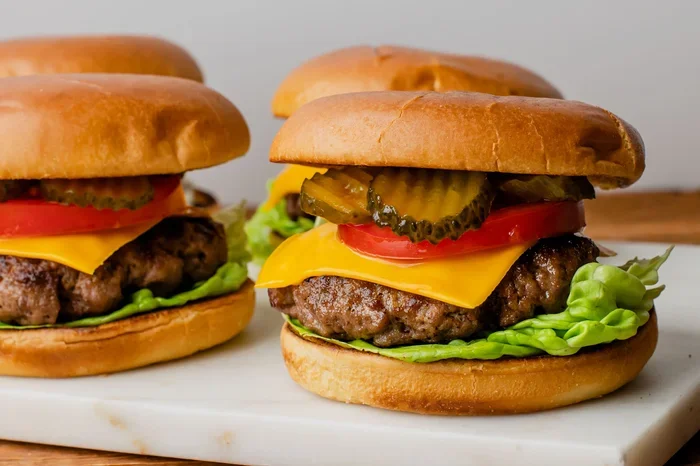
How To Cook Fresh Burgers In The Oven Step By Step
Cooking fresh burgers in the oven is one of the easiest and most reliable ways to make delicious homemade patties. This guide walks you through every step, from mixing the meat to pulling perfectly cooked burgers off the baking sheet. You will learn the right temperature, timing, and seasoning tips for juicy oven-baked burgers that taste just as good as grilled ones.
There is something truly satisfying about biting into a homemade burger that you made yourself. When you cook fresh burgers in the oven, you skip the hassle of firing up the grill, dealing with flare-ups, or standing outside in bad weather. Your oven handles the job beautifully, giving you consistent results every single time.
Whether you are cooking for a family dinner, a weekend gathering, or just a quick weeknight meal, baking burgers in the oven is a game-changer. You get evenly cooked patties with juicy centers and slightly crispy edges. In this guide, we will walk you through the entire process step by step. By the end, you will feel confident enough to make homemade burger patties like a pro.
Let us start with the basics. Cooking burgers in the oven might sound simple, but there are a few key details that make all the difference. Temperature, seasoning, patty thickness, and timing all play a role. We will cover each one in depth so you never have to guess again.
Key Takeaways
- Oven temp matters: Bake at 400°F for the best balance of crispy edges and juicy centers.
- Season simply: Salt, pepper, and garlic powder bring out the best flavor in your patties.
- Use a meat thermometer: Internal temp of 160°F ensures safe, perfectly cooked burgers.
- Don’t overwork the meat: Gently forming patties keeps burgers tender and juicy.
- Add cheese at the right time: Place cheese on patties in the last 2 minutes of baking for perfect melt.
- Rest before serving: Let burgers sit for 3-5 minutes to lock in juices.
- Customize easily: Add toppings, adjust seasoning, and experiment with different meats.
📑 Table of Contents
Why Cooking Burgers in the Oven Works So Well
Many people assume that burgers can only come from a grill or a skillet. That is far from the truth. Oven-baked burgers offer a hands-off approach that frees you up to prepare sides, set the table, or chat with guests. The oven surrounds the patties with even heat, which means no hot spots and no flipping required.
Here are some reasons why this method shines:
- Consistent results: Your oven maintains a steady temperature, so every patty cooks evenly.
- Less mess: You avoid grease splatters on the stovetop and smoke from flare-ups.
- Hands-free cooking: Once the burgers go in, you are free to do other things.
- Easy scaling: Cook two patties or twenty patties with the same method.
- Better for beginners: There is less risk of overcooking or undercooking.
When you bake burgers in the oven, you also get a nice sear-like effect on the edges if you use a hot oven. The fat renders out slowly, keeping the inside moist while the outside develops a light crust. It is a win-win for flavor and texture.
The Science Behind Oven-Baked Burgers
Understanding a little bit of burger cooking temperature science helps you nail the results. When ground beef hits high heat, the proteins tighten and push out moisture. That is why overworked meat leads to dry burgers. But when you cook at the right temperature, the proteins set gently and retain more juice. The fat inside the patty melts and bastes the meat from within. This is why homemade burger patties made with the right technique can be incredibly juicy.
What You Need to Get Started
Before you start cooking fresh burgers in the oven, gather your tools and ingredients. Having everything ready makes the process smooth and enjoyable. Here is what you need:
Essential Ingredients
- Ground beef: Use 80/20 lean-to-fat ratio for the juiciest results. The fat content is key for flavor and moisture.
- Salt: Simple kosher salt or sea salt works best.
- Black pepper: Freshly ground gives the best flavor.
- Garlic powder: A small boost of savory depth.
- Optional seasonings: Onion powder, smoked paprika, or a pinch of cayenne for heat.
Tools You Will Need
- Baking sheet: A rimmed sheet pan works great. Line it with parchment paper or aluminum foil for easy cleanup.
- Wire rack (optional but recommended): A rack lets air circulate around the patties for even cooking.
- Meat thermometer: This is the single most important tool for checking doneness.
- Burger press or your hands: For forming patties evenly.
- Spatula: For flipping and transferring burgers.
You do not need fancy kitchen appliances to make great oven burgers. A basic baking sheet and a thermometer are all you really need. Everything else is just a bonus.
Step-by-Step Guide to Cooking Fresh Burgers in the Oven
Now let us get to the heart of the matter. Follow these steps for perfect oven-baked ground beef patties every time.
Step 1: Preheat Your Oven
Set your oven to 400°F (200°C). Preheating is crucial. A hot oven ensures the outside of the burger starts cooking immediately, which seals in juices. If you skip preheating, the patties will cook slowly and lose moisture. Give your oven at least 10 to 15 minutes to reach the right temperature before the burgers go in.
Step 2: Prepare the Meat
Place your ground beef in a large bowl. Add salt, pepper, and garlic powder. Seasoning burgers properly makes a huge difference. Use about 1 teaspoon of salt and half a teaspoon of pepper per pound of meat. Mix gently with your hands. The key word here is gentle. Over-mixing the meat creates a dense, tough texture. You want the seasoning just combined with the beef.
Step 3: Form the Patties
Divide the meat into equal portions. For standard burgers, aim for 6-ounce patties. Gently shape each portion into a ball, then press it flat to about ¾ inch thick. Make a small dimple in the center of each patty with your thumb. This prevents the burger from puffing up and becoming round like a ball while it cooks. Keep the edges smooth and even for uniform burger doneness.
Step 4: Arrange on the Baking Sheet
If you are using a wire rack, place it on top of the baking sheet. Set the patties on the rack with space between them. If you do not have a rack, line the baking sheet with parchment paper and place the patties directly on it. Make sure the patties do not touch each other. Crowding blocks airflow and leads to uneven cooking.
Step 5: Bake the Burgers
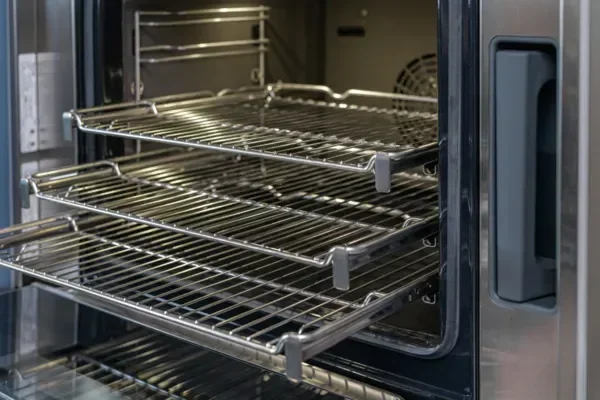
Place the baking sheet on the middle oven rack. Cook fresh burgers in the oven for about 12 to 15 minutes. For medium doneness, aim for 13 minutes. For well-done, go closer to 15 minutes. The top of the burger should be browned and the edges should have a slightly crispy look. Use a meat thermometer to check the internal temperature. For beef burgers, 160°F is the safe minimum recommended by food safety guidelines.
Step 6: Add Cheese (Optional)
If you love cheese on your burgers, this is the perfect moment. During the last 2 minutes of baking, place a slice of cheese on each patty. Close the oven door and let the cheese melt gently. American cheese, cheddar, Swiss, or pepper jack all work wonderfully. The residual heat does the melting job without overcooking the meat.
Step 7: Rest and Serve
Remove the burgers from the oven and let them rest for 3 to 5 minutes. This resting period allows the juices to redistribute throughout the patty. If you cut into a burger right away, the juices run out and the burger dries out. After resting, place the patties on your favorite buns and add your desired burger toppings.
Tips for Perfectly Juicy Oven Burgers
Even with a solid recipe, small details can make or break your burgers. Here are some quick tips that elevate your oven-baked burgers from good to great.
Use the Right Meat Ratio
Ground beef with about 20% fat content gives you the best balance of flavor and juiciness. Leaner meats like 90/10 can work, but the burgers may dry out faster in the oven. If you want to experiment, try blending ground chuck with a small amount of ground pork for extra richness.
Keep Patties Cold Before Baking
Cold patties hold their shape better in the oven. After forming them, place the baking sheet in the freezer for 10 to 15 minutes before baking. This tip helps prevent the burgers from shrinking and losing their juiciness during cooking.
Do Not Press Down on the Patties
It is tempting to press a spatula down on the burger while it cooks. Resist that urge. Pressing squeezes out the juices and leaves you with a dry patty. Let the burger cook undisturbed and it will stay moist and tender.
Create a Crispy Crust
Want crispy edges on your oven-baked ground beef patties? Brush the top of each patty lightly with olive oil before baking. The oil helps the surface brown faster and develop a satisfying crust. You can also sprinkle a tiny bit of salt on the top surface right before the burgers go in.
Experiment with Different Meats
Cooking fresh burgers in the oven works with more than just beef. Try turkey burgers, chicken burgers, or even plant-based patties. Each meat has a different cooking time, so adjust accordingly. Turkey burgers typically need just 10 to 12 minutes at 400°F. Always check the internal temperature for safety.
Common Mistakes to Avoid
Even experienced cooks make slip-ups when baking burgers in the oven. Here are the most common mistakes and how to avoid them.
Overworking the Meat
When you mix and knead the beef too much, the proteins tighten up. The result is a dense, rubbery burger that lacks that tender, juicy bite. Mix the seasoning in gently and form the patties with minimal handling. Think of it like handling a delicate cloud, not a ball of clay.
Skipping the Dimple
Without a dimple in the center, the patty swells into a ball shape as it cooks. The edges become thin and crispy while the center stays thick and undercooked. The small dimple ensures the burger stays flat and cooks evenly from edge to center.
Guessing Doneness Without a Thermometer
Pressing on the burger to check if it is done is an unreliable method. The only way to know for sure is with a meat thermometer. Insert it into the thickest part of the patty. 160°F for beef, 165°F for turkey or chicken. This simple tool takes the guesswork out of burger cooking temperature entirely.
Baking at Too Low a Temperature
Some people set the oven to 350°F to be safe. But low heat causes the burger to cook slowly, losing moisture along the way. 400°F is the sweet spot. It cooks fast enough to retain juices while still browning the surface nicely.
Overcrowding the Pan
Putting too many patties on one sheet pan blocks the hot air from circulating. The burgers steam instead of bake, which leads to soggy exteriors and uneven cooking. Give each patty at least 2 inches of space. If you need to cook more, use two baking sheets.
Serving Ideas and Topping Combinations
The beauty of homemade burger patties is that you can customize them endlessly. Here are some popular serving ideas to inspire your next oven-baked burgers night.
Classic Cheeseburger
- American cheese or cheddar
- Lettuce, tomato, and onion
- Ketchup, mustard, and pickle slices
- Sesame seed bun
BBQ Bacon Burger
- Smoked gouda or pepper jack cheese
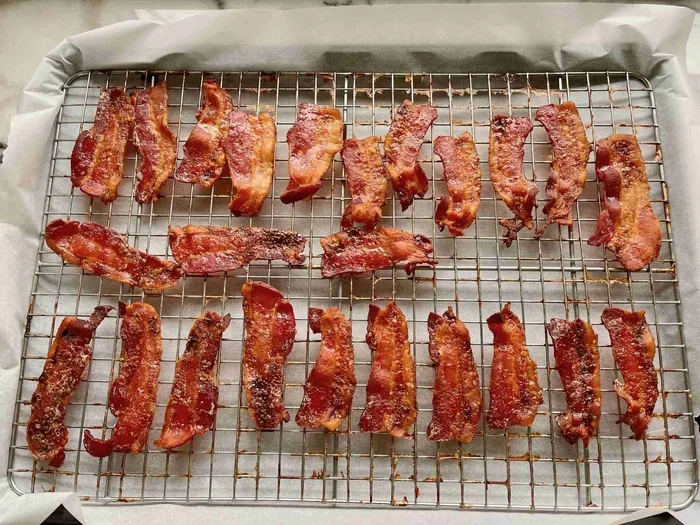
- Crispy bacon strips
- BBQ sauce and caramelized onions
- Brioche bun
Mushroom Swiss Burger
- Swiss cheese
- Sautéed mushrooms
- Aioli or garlic mayo
- Butter lettuce wrap instead of a bun
Pair your burgers with simple sides like crispy fries, a fresh garden salad, or coleslaw. For a lighter option, serve the patties on a bed of greens with your favorite burger toppings and a slice of avocado.
How to Store and Reheat Leftover Burgers
If you have leftover fresh burgers in the oven or cooked patties, you can store them for later. Let the burgers cool completely, then wrap each one tightly in plastic wrap or aluminum foil. Place them in an airtight container and refrigerate for up to 3 days.
To reheat, you have a few options. The oven works best. Wrap the burger in foil and warm it at 350°F for about 10 minutes. This keeps the bun soft and the patty moist. You can also use a skillet on the stovetop for a quick reheat. Avoid the microwave, as it tends to make the bun soggy and the meat rubbery.
Freezing cooked burgers is another great option. Wrap each patty individually, place them in a freezer bag, and freeze for up to 3 months. Thaw overnight in the refrigerator before reheating.
Conclusion
Cooking fresh burgers in the oven is one of the simplest and most rewarding things you can do in the kitchen. With the right temperature, proper seasoning, and a little patience, you can create juicy, flavorful patties that rival anything from a grill or a diner. This method gives you control over every aspect of the burger, from the fat content of the meat to the exact level of doneness.
Remember the key points: preheat to 400°F, season generously but gently, form patties with a dimple, and always use a meat thermometer. Avoid common mistakes like overworking the meat or overcrowding the pan. And do not be afraid to get creative with toppings and serving styles.
Once you master the art of baking burgers in the oven, you will never go back to complicated grilling setups or messy stovetop splatters. It is easy, reliable, and delivers consistently delicious results. So preheat your oven, gather your ingredients, and start making the best oven-baked burgers of your life today.
Your family and friends will thank you. And you might just discover that the oven is your new favorite burger cooking method. Happy cooking!
Frequently Asked Questions
What temperature should I cook fresh burgers in the oven?
Preheat your oven to 400°F (200°C) for the best results. This temperature cooks the burgers quickly enough to retain moisture while still developing a nice brown crust on the edges. Always use a meat thermometer to confirm the internal temperature reaches 160°F for beef.
How long does it take to bake burgers in the oven?
Most beef burgers take 12 to 15 minutes at 400°F. The exact time depends on the thickness of your patties and your desired level of doneness. For medium burgers, aim for about 13 minutes. Always check with a meat thermometer for accuracy.
Can I use lean ground beef for oven burgers?
Yes, you can, but lean beef tends to dry out faster in the oven. For the juiciest results, choose ground beef with about 80% lean and 20% fat. If you must use lean meat, add a small drizzle of olive oil to the patties before baking to help retain moisture.
Do I need to flip burgers when baking them in the oven?
No, you do not need to flip burgers when baking them. The oven surrounds the patties with heat from all sides, which cooks them evenly without any turning. This is one of the biggest advantages of oven-baked burgers compared to stovetop cooking.
How can I make my oven burgers taste like grilled burgers?
To get a grilled flavor, brush the patties lightly with olive oil before baking and add a pinch of smoked paprika to the seasoning. You can also broil the burgers for the last 1 to 2 minutes of cooking for a charred effect. Just watch them closely to avoid burning.
Can I freeze uncooked burger patties for later use?
Absolutely. Form your patties, separate them with parchment paper, and store them in a freezer-safe bag for up to 3 months. When ready to cook, you can place frozen patties directly in the oven at 400°F and add a few extra minutes to the cooking time. Always check the internal temperature before serving.