How To Roast Asparagus In Oven For Crispy Tender Spears
Roasting asparagus in the oven is one of the easiest ways to get crispy tender spears every single time. This guide covers everything you need to know about how to roast asparagus in oven, from prep to seasoning to cooking time. You will learn the best temperature, timing tips, and common mistakes to avoid.
There are few things in the kitchen as satisfying as pulling a tray of crispy tender asparagus out of the oven. The edges are slightly charred. The tips are golden. The stalks have just the right amount of bite. It is one of those side dishes that feels fancy but takes almost no effort at all.
If you have been wondering how to roast asparagus in oven the right way, you are in the right place. This guide walks you through every step in simple, easy-to-follow detail. Whether you are a beginner cook or just looking to improve your oven roasted asparagus game, you will find plenty of practical tips here.
Roasting is hands down the best way to cook asparagus. It brings out a natural sweetness that boiling or steaming simply cannot match. The dry heat of the oven caramelizes the natural sugars in the spears. This creates a slightly crispy exterior while keeping the inside tender and juicy.
Plus, roasted asparagus is incredibly versatile. You can serve it as a side dish, toss it into salads, blend it into soups, or add it to pasta. Once you learn the basics, you can experiment with endless flavor combinations.
The beauty of this method is that it works year round. Asparagus is available fresh in spring, but you can find good quality spears almost any time of year at most grocery stores. All you need is an oven, a baking sheet, and a few simple ingredients.
Let us dive into everything you need to know to make the best roasted asparagus at home.
Key Takeaways
- High heat is key: Roasting at 400°F to 425°F gives you the best crispy tender asparagus.
- Dry the spears first: Patting asparagus dry before roasting prevents soggy results.
- Don’t skip the oil: A light coating of olive oil helps crisp the tips and cook the stalks evenly.
- Season simply: Salt, pepper, and garlic go a long way for flavor.
- Watch the time: Most asparagus roasts in 12 to 18 minutes depending on thickness.
- Avoid overcrowding: Spread spears in a single layer for even browning.
- Fresh asparagus works best: Thick, firm stalks give you the crispiest results.
📑 Table of Contents
- Why Roasted Asparagus Is So Good
- How To Prep Asparagus For Roasting
- Best Oven Temperature For Roasting Asparagus
- How Long To Roast Asparagus In Oven
- Seasoning Ideas For Perfect Roasted Asparagus
- Common Mistakes To Avoid When Roasting Asparagus
- Serving Suggestions And Storage Tips
- Expert Tips For The Best Roasted Asparagus Every Time
- Frequently Asked Questions
- Conclusion
Why Roasted Asparagus Is So Good
Before we get into the how-to, it helps to understand why roasting works so well for this vegetable. Asparagus has a unique structure. The stalks are thick and fibrous near the bottom, while the tips are thin and delicate.
Roasting addresses both of these textures at once. The high heat of the oven softens the tough lower parts while crisping up the tender tips. This contrast is what makes oven roasted asparagus so enjoyable to eat.
The Science Behind Roasting Asparagus
When asparagus is exposed to high heat, something called the Maillard reaction takes place. This is a chemical process that browns the surface of food and creates complex, savory flavors. It is the same reaction that makes roasted potatoes so addictive and grilled meats so delicious.
Roasting also evaporates the water content in asparagus. This concentrates the flavor and gives the spears a more intense taste. Boiling, on the other hand, dilutes the flavor and can make asparagus mushy and bland.
This is why so many home cooks and professional chefs agree that roasting is the best method for asparagus. It brings out the best in this nutritious and delicious vegetable.
Nutritional Benefits of Roasted Asparagus
Asparagus is packed with nutrients. It is a great source of vitamins A, C, E, and K. It also contains folate, fiber, and antioxidants. Roasting it with a small amount of olive oil helps your body absorb the fat-soluble vitamins even better.
A serving of roasted asparagus has only about 20 to 30 calories. It is a guilt-free side dish that adds color, flavor, and nutrition to any meal. Whether you are eating it for weight management or just overall health, it is a smart choice.
How To Prep Asparagus For Roasting
Proper prep is the foundation of great roasted asparagus. Taking a few extra minutes here makes a big difference in the final result. Follow these steps every time for the best crispy tender asparagus.
Choose the Right Asparagus
Start with fresh, firm asparagus. Look for spears that are bright green with tight, compact tips. Avoid any bunches that look wilted, slimy, or have woody dried-out ends.
Thick spears tend to roast better than thin ones. They hold their structure in the oven and give you a nice contrast between the crispy outside and the tender inside. That said, medium spears work great too.
If you can, buy organic asparagus. It tends to have better flavor and fewer pesticide residues. But conventionally grown asparagus is perfectly fine as well. Just make sure to wash it well.
Snap Off the Woody Ends
Every asparagus spear has a tough, woody bottom part that you should remove. The easiest way is to hold each spear at both ends and gently bend it. It will naturally snap at the point where the tender part meets the tough part.
You can also line up a bunch of spears and cut off the ends all at once with a knife. This method is faster if you are preparing a large batch. Just estimate about one to two inches from the bottom.
Do not throw away those ends! You can save them and use them to make vegetable stock or add them to soups for extra flavor.
Wash and Dry Thoroughly
Rinse the asparagus under cool running water. Use your hands to gently rub off any dirt or grit from the spears. Pat them completely dry with a clean kitchen towel or paper towels.
This step is more important than it seems. Water on the surface of the asparagus creates steam in the oven. Steam makes the spears soggy instead of crispy. Dry spears roast much better and develop a nicer texture.
Optional: Peel the Lower Stalks
For very thick asparagus, you can use a vegetable peeler to remove the outer skin from the lower half of the stalks. This is not always necessary, but it can help with tenderness.
Peeling is especially helpful if your asparagus spears are pencil-thick at the bottom and thick at the top. It creates a more even texture throughout the spear. For most regular-sized spears, this step is optional.
Best Oven Temperature For Roasting Asparagus
Temperature is one of the most important factors in how to roast asparagus in oven. Too low and the spears will steam and turn mushy. Too high and the tips will burn before the stalks are cooked through.
The Ideal Temperature Range
The sweet spot for roasting asparagus is between 400°F and 425°F. At this temperature, the spears cook quickly enough to stay tender inside while developing a crispy, golden-brown exterior.
400°F is great for thicker spears. It gives the stalks more time to cook through before the tips get too dark. 425°F works well for thinner spears and gives you a faster, more intense crisp.
Most home ovens run a little hot or a little cool. If you know your oven runs hot, lean toward 400°F. If it runs cool, try 425°F. Getting to know your oven is part of the process.
Why Not Lower Temperatures?
Some recipes call for roasting vegetables at lower temperatures like 350°F. This works for denser vegetables like potatoes and carrots. But asparagus is different.
Asparagus has a high water content and a thin structure. It needs high heat to cook quickly and develop texture. A low temperature will cause the spears to release too much moisture and turn limp. You want crispiness, not steamed asparagus.
Using a Convection Oven
If you have a convection oven, you can roast asparagus at slightly lower temperatures. Try 375°F to 390°F with the fan on. The circulating hot air cooks the spears more evenly and can give you even crispier results.
Just keep an eye on them a few minutes earlier than you normally would. Convection ovens tend to cook food faster than standard ovens.
How Long To Roast Asparagus In Oven
Timing is the next big question when you are learning how to roast asparagus in oven. The answer depends on the thickness of your spears and how crispy you like them.
Timing By Asparagus Thickness
Thin asparagus spears roast in about 10 to 12 minutes at 425°F. Medium spears need 12 to 15 minutes. Thick spears can take 15 to 20 minutes. These are general guidelines, so always use your eyes and fingers to check for doneness.
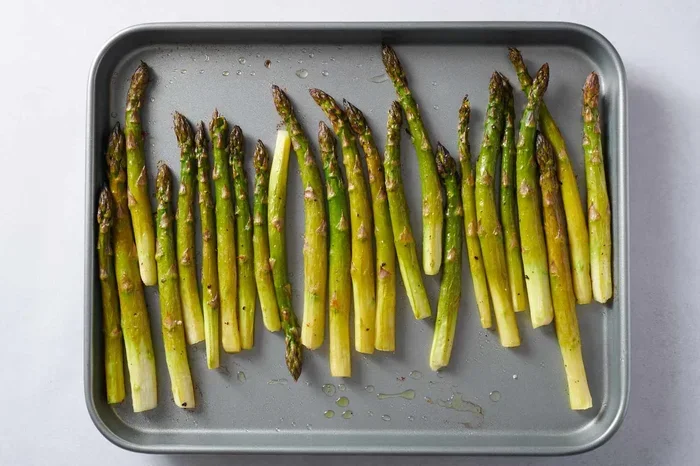
The spears are done when they are bright green with slightly darkened, crispy tips. You should be able to pierce the thickest part of a stalk with a fork. It should go through easily but the spear should not fall apart.
How To Tell When Asparagus Is Done
Look at the color. Properly roasted asparagus should be a vivid green with some golden brown spots on the tips. If it looks pale and limp, it needs more time. If it is dark brown all over, it has been in too long.
Touch the tips. They should feel slightly firm but with a bit of give. The stalks should be tender but not soft. If you like your asparagus more on the crunchy side, pull it out a minute or two early. It will continue to cook slightly on the hot tray.
Can You Overcook Roasted Asparagus?
Yes, overcooked asparagus turns mushy and loses its vibrant color. It can also develop a bitter taste. This is one of the most common mistakes people make when roasting asparagus.
To avoid this, set a timer and check the spears a couple of minutes before the recommended time is up. It is always better to pull them out slightly early. You can always put them back for another minute if needed.
Seasoning Ideas For Perfect Roasted Asparagus
One of the best things about oven roasted asparagus is how easy it is to customize. A simple seasoning brings out the natural flavor, but you can get creative too.
The Classic Simple Seasoning
For a foolproof classic flavor, keep it simple. Toss the asparagus with olive oil, salt, and black pepper. That is it. The natural flavor of fresh asparagus is wonderful on its own, and you do not need much to enhance it.
Use about one to two tablespoons of olive oil for a standard bunch of asparagus. Spread the spears in a single layer on the baking sheet. Season generously with salt and pepper. The oil helps the seasoning stick to the spears and promotes even browning.
Garlic and Lemon Roasted Asparagus
This is one of the most popular flavor combinations. Add minced garlic to the oil before tossing with the asparagus. After roasting, squeeze fresh lemon juice over the top.
The garlic adds a savory depth while the lemon brightens everything up. This combination works beautifully with grilled fish, chicken, or as part of a vegetarian meal.
Cheese Topped Roasted Asparagus
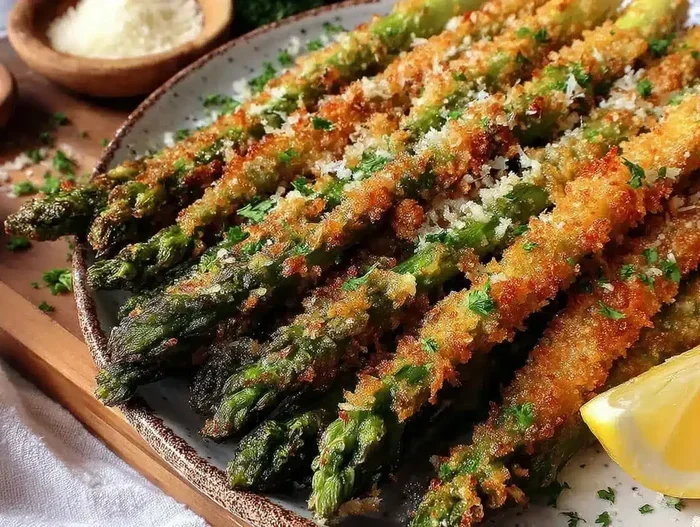
For a richer version, sprinkle grated Parmesan cheese over the asparagus during the last few minutes of roasting. The cheese melts into a golden, slightly crispy crust.
You can also try crumbled feta or shaved Pecorino Romano. Each cheese brings a different flavor profile. Sharp, salty cheeses pair especially well with the earthy taste of asparagus.
Spicy Roasted Asparagus
If you like a little heat, add red pepper flakes or a pinch of cayenne pepper to the oil. A drizzle of hot honey after roasting adds a sweet and spicy kick.
This variation is fantastic as a party appetizer or a topping for pizza and bruschetta. The heat balances the natural sweetness of the roasted spears perfectly.
Balsamic Glazed Roasted Asparagus
For an elegant touch, drizzle balsamic glaze over the roasted asparagus right after it comes out of the oven. The tangy, slightly sweet glaze adds a restaurant-quality finish.
This works especially well with thick spears. The glaze clings to the crispy surface and adds a layer of complex flavor. It is a great way to elevate a simple side dish.
Common Mistakes To Avoid When Roasting Asparagus
Even experienced cooks sometimes make mistakes with roasted asparagus. Knowing what to avoid will save you from soggy, burnt, or bland results.
Overcrowding the Pan
This is the number one mistake. If you cram too many spears onto the baking sheet, they steam instead of roast. The moisture has nowhere to escape, and you end up with limp, pale asparagus.
Use a large baking sheet or roast in batches. The spears should be in a single layer with some space between them. This allows hot air to circulate freely and creates that desirable crispy texture.
Not Using Enough Oil
Skipping the oil or using too little is another common error. Oil serves two purposes. It conducts heat evenly around the spear, and it helps the seasoning stick.
Without enough oil, the asparagus can dry out and burn. With the right amount, it roasts evenly and develops a beautiful golden color. Use enough to lightly coat each spear, but not so much that they are swimming in oil.
Using the Wrong Pan
A flimsy, thin baking sheet can cause uneven roasting. Hot spots on the pan lead to some spears burning while others stay undercooked.
Use a heavy-duty baking sheet or a rimmed sheet pan. A wire rack placed on top of the sheet pan works even better. It allows air to flow underneath the spears, resulting in more even crisping.
Forgetting to Season at the Right Time
Salt draws moisture out of vegetables. If you salt the asparagus too early and let it sit, it can become wet and steam instead of roast.
The best practice is to toss the asparagus with oil and salt right before it goes in the oven. This way, the salt seasons the surface without pulling out too much moisture beforehand.
Not Letting the Oven Preheat
Putting asparagus into a cold or lukewarm oven throws off the cooking time and results in uneven roasting. Always preheat your oven to the target temperature before the spears go in.
A properly preheated oven ensures the asparagus starts cooking immediately at the right temperature. This is essential for getting crispy tips and tender stalks.
Serving Suggestions And Storage Tips
Roasted asparagus is delicious on its own, but it also pairs wonderfully with many main dishes. Here are some ideas for serving and storing your crispy tender asparagus.
Best Dishes To Serve With Roasted Asparagus
Roasted asparagus goes with almost everything. Here are some popular pairings:
- Grilled salmon or baked salmon
- Roasted chicken or turkey
- Steak with mashed potatoes
- Pasta with garlic and olive oil
- Eggs Benedict or a frittata
- Quinoa or rice bowls
- Lentil soup or vegetable stew
The possibilities are nearly endless. Asparagus is a versatile side dish that complements both light and hearty meals.
How To Store Leftover Roasted Asparagus
Store leftover roasted asparagus in an airtight container in the refrigerator. It keeps well for up to three days.
Reheat gently in the oven or a hot skillet. Avoid microwaving if possible, as it can make the spears soggy. A quick toss in a hot pan with a little oil will revive the crispy texture.
Can You Freeze Roasted Asparagus?
Yes, you can freeze roasted asparagus. Let it cool completely, then spread it on a baking sheet in a single layer. Freeze for about one hour, then transfer to a freezer bag.
Frozen roasted asparagus keeps for up to three months. Reheat in the oven at 350°F until warmed through. The texture will not be exactly the same as fresh, but it still tastes great in soups and casseroles.
Expert Tips For The Best Roasted Asparagus Every Time
Here are some bonus tips from experienced cooks to take your roasted asparagus to the next level.
- Rotate the pan halfway through. This ensures even browning, especially in ovens with hot spots.
- Add a pinch of sugar to the oil. This sounds unusual, but it helps caramelize the tips faster for extra crispiness.
- Use fresh asparagus when possible. Older, dried-out spears take longer to cook and do not crisp as well.
- Season after roasting for the best flavor. A final sprinkle of flaky sea salt and a squeeze of lemon right out of the oven makes a huge difference.
- Try different vegetables together. Roasted asparagus pairs beautifully with cherry tomatoes, bell peppers, and zucchini on the same pan.
These small adjustments can transform good roasted asparagus into great roasted asparagus. Keep experimenting until you find your favorite combination.
Frequently Asked Questions
Can I roast asparagus without oil?
You can, but the results will be different. Without oil, the asparagus will steam more and be less crispy. A light coating of oil helps create that crispy tender texture. If you want to avoid oil, try using a small amount of broth or water and roast at a slightly higher temperature.
What temperature should I roast asparagus at?
The best temperature for roasting asparagus is 400°F to 425°F. This high heat cooks the spears quickly and creates a crispy exterior while keeping the inside tender. Lower temperatures will result in steamed, soggy asparagus.
How do I know when roasted asparagus is done?
Roasted asparagus is done when the tips are golden brown and crispy, and the stalks are bright green and tender. You should be able to pierce the thickest part with a fork easily. The spears should have a slight snap, not be mushy.
Can I use thin asparagus for roasting?
Yes, thin asparagus roasts well and takes less time, usually about 10 to 12 minutes at 425°F. Thin spears will be more tender overall. Thick spears take longer and have a heartier texture. Both are great for roasting.
Is roasted asparagus healthy?
Absolutely. Roasted asparagus is low in calories and high in vitamins A, C, E, and K. It also provides fiber and antioxidants. Using a moderate amount of olive oil adds healthy fats that help your body absorb the vitamins better.
Can I roast asparagus ahead of time?
You can roast asparagus up to a day ahead and reheat it. Store it in the refrigerator in an airtight container. Reheat in a hot oven or skillet for the best texture. Avoid microwaving, as it can make the spears soggy.
Conclusion
Learning how to roast asparagus in oven is one of the simplest and most rewarding cooking skills you can build. With the right temperature, timing, and seasoning, you can turn a humble vegetable into a crispy tender side dish that everyone will love.
Remember to choose fresh spears, snap off the woody ends, and dry them thoroughly before roasting. Use high heat between 400°F and 425°F, and keep an eye on the timing so you do not overcook them. Season simply or get creative with garlic, lemon, cheese, or balsamic glaze.
Avoid common mistakes like overcrowding the pan or skipping the oil. These small details make a big difference in the final result. Once you master the basics, you can experiment with endless flavor combinations and serving ideas.
Oven roasted asparagus is a dish that works for weeknight dinners and dinner parties alike. It is quick, healthy, and delicious. So preheat your oven, grab a bunch of fresh asparagus, and get roasting. Your taste buds will thank you.