Are Ramekins Oven Safe Here Is What You Need to Know
Are ramekins oven safe? Most ramekins are oven safe, but it depends on the material. Ceramic, porcelain, and stoneware ramekins can usually handle high heat, while plastic and melamine should stay out of the oven. Check the manufacturer’s label for the safe temperature limit before baking.
You have a beautiful set of ramekins sitting in your kitchen. Maybe they came with a fancy dessert recipe. Maybe you just love the look of them. But then you think about popping one in the oven and a question pops up. Are ramekins oven safe? It is a simple question, but the answer is not always a straightforward yes. The truth is, ramekins come in many different materials, and each one handles heat differently. Some can go straight into a hot oven. Others will crack, melt, or even release harmful chemicals. In this guide, we will break down exactly what you need to know. You will learn which ramekins can handle oven heat, how to check for safety symbols, and what mistakes to avoid. By the end, you will feel confident every time you reach for your ramekins.
Baking with ramekins is a joy. They are perfect for individual soufflés, crèmes brûlées, and savory egg bites. But using the wrong ramekin in the oven can lead to a mess or even a dangerous situation. That is why understanding oven-safe ramekins is so important. Whether you are a beginner baker or a seasoned home cook, this article will give you the clear, practical answers you need. We will cover everything from ceramic and porcelain to stoneware and glass. So let us dive right in and find out if your favorite ramekin can handle the heat.
Key Takeaways
- Not all ramekins are oven safe: The material matters. Ceramic, porcelain, and stoneware are generally safe, while plastic and melamine are not.
- Check for oven-safe symbols: Look for a snowflake or oven icon on the bottom of the ramekin, or read the manufacturer’s label.
- Temperature limits vary: Most oven-safe ceramic ramekins can handle up to 350–450°F, but always verify the exact rating.
- Avoid thermal shock: Never place a cold ramekin directly into a hot oven or on a cold surface after baking.
- Use oven-safe ramekins for baking and serving: They work beautifully for soufflés, crèmes brûlées, and savory dishes.
- Plastic and melamine ramekins are not oven safe: They can melt or release harmful chemicals when exposed to heat.
- Follow manufacturer guidelines: The safest bet is always to trust the brand’s instructions for oven use.
📑 Table of Contents
- What Are Ramekins and Why Are They So Popular
- Are All Ramekins Oven Safe
- How to Tell if Your Ramekin Is Oven Safe
- Temperature Limits and Safety Tips
- Best Oven-Safe Ramekins: A Comparison
- Common Mistakes People Make with Ramekins in the Oven
- Quick Tips for Using Ramekins in the Oven
- Expert Insights: What Chefs Say About Oven-Safe Ramekins
What Are Ramekins and Why Are They So Popular
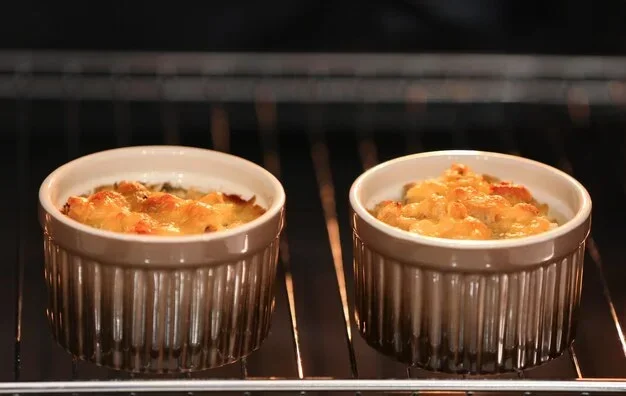
A ramekin is a small, round dish used for baking and serving individual portions. They are typically 4 to 8 ounces in size. You will find them in kitchens all over the world. They are especially popular for classic French desserts like crème brûlée and soufflés. But they are also great for savory dishes like baked eggs, mini casseroles, and individual mac and cheese. Their small size makes them perfect for portion control and elegant entertaining. They come in a wide range of colors, shapes, and materials.
The History of Ramekins
The word ramekin comes from the French word ramique, which means a small pot. These dishes have been used for centuries. Originally, they were made from clay or earthenware. Today, you can find ramekins made from ceramic, porcelain, stoneware, glass, and even silicone. The basic design has stayed the same. A small, cylindrical dish with straight or slightly sloped sides. This simple shape works beautifully in the oven, on the table, and even under the broiler. That versatility is a big reason why baking ramekins are a staple in many homes.
Common Uses for Ramekins
Ramekins are not just for dessert. Here are some popular uses:
- Soufflés: Both sweet and savory. The straight sides help the soufflé rise evenly.
- Crème brûlée: The perfect vessel for a creamy custard with a caramelized sugar top.
- Baked eggs: Simply crack an egg into a greased ramekin, add some cheese and herbs, and bake.
- Mini casseroles: Great for individual portions of mac and cheese or lasagna.
- Dips and sauces: Serve warm cheese dip or chocolate ganache in a ramekin.
- Crémant ramekins: A fun way to serve individual quiches or savory tarts.
With so many uses, it is no wonder people love them. But the key question remains: are ramekins oven safe? The answer depends on what they are made of.
Are All Ramekins Oven Safe
The short answer is no. Not all ramekins are created equal when it comes to oven use. The material of the ramekin determines whether it can handle heat. Some oven-safe ramekins are designed to withstand high temperatures. Others are meant only for cold storage or serving. If you put the wrong ramekin in the oven, you could end up with a cracked dish, ruined food, or even a fire hazard. That is why it is so important to check before you bake.
When you ask are ramekins oven safe, you need to think about the specific type. Most manufacturers clearly mark their ramekins with an oven-safe symbol or a temperature rating. If you cannot find this information, it is best to assume the ramekin is not oven safe. Let us look at the most common materials and how they perform in the oven.
Ceramic and Porcelain Ramekins
Ceramic ramekins are the most common type. They are made from clay that is fired at high temperatures. Most ceramic ramekins are oven safe. They can handle temperatures up to 350–450°F, depending on the glaze and manufacturer. Porcelain ramekins are a type of ceramic, but they are fired at even higher temperatures. This makes them very durable and heat resistant. Both ceramic and porcelain oven-safe dishes distribute heat evenly. They are excellent for baking custards, soufflés, and casseroles. Just make sure your ceramic or porcelain ramekin does not have any metallic trim. Gold or silver leaf decorations are not oven safe and can release harmful fumes.
Stoneware and Cast Iron Ramekins
Stoneware ramekins are another excellent choice for oven use. They are made from a dense clay that can withstand very high heat. Many stoneware ramekins are oven safe up to 500°F or more. They are heavy and hold heat well, which makes them great for dishes that need to stay warm. Cast iron ramekins are also oven safe and incredibly durable. They can go from the oven to the stovetop without any problem. Cast iron is a favorite for those who want a long-lasting heat-resistant ramekin. The downside is that they are heavy and can be expensive. But if you are looking for a ramekin that will last a lifetime, stoneware or cast iron are top picks.
Plastic, Melamine, and Glass Ramekins
Plastic and melamine ramekins are not oven safe. They are designed for cold food storage and serving. If you put a plastic ramekin in the oven, it will melt. Melamine can warp and release harmful chemicals when heated. Never use plastic or melamine dishes in any hot oven. Glass ramekins are a different story. Borosilicate glass, like Pyrex, is generally oven safe. It can handle temperatures up to 400–450°F. However, regular soda-lime glass is more fragile and can crack with sudden temperature changes. Always check the label on glass ramekins to confirm they are oven safe. If you are unsure, stick with ceramic, porcelain, stoneware, or cast iron for your baking ramekins.
How to Tell if Your Ramekin Is Oven Safe
Figuring out if a ramekin is oven safe is not hard. You just need to know where to look. Most brands put the information right on the product. Here is how you can check if your oven-safe ramekins are ready for the heat.
Check the Manufacturer’s Label
The first place to look is the bottom of the ramekin. Most oven-safe ramekins have a clear label or stamp that says “oven safe.” It might also include a maximum temperature rating. For example, you might see “Oven safe to 450°F.” If you bought your ramekins as part of a set, check the box or the instruction manual. The manufacturer will always tell you if the dish can go in the oven. If there is no label at all, it is safer to assume the ramekin is not oven safe.
Look for Oven-Safe Symbols
Many ramekins use symbols instead of words. The most common symbol looks like a little oven with wavy lines inside, which represent heat. Some ramekins have a snowflake symbol, which means the dish is freezer safe but not necessarily oven safe. If you see the oven icon, that is a good sign. But always double-check the temperature range if it is listed. If you are still unsure, you can search the brand and model online. Most companies have clear guidelines for their ramekin materials and oven use.
Temperature Limits and Safety Tips
Knowing that a ramekin is oven safe is only half the battle. You also need to understand temperature limits and how to handle the dish safely. Ignoring these details can lead to cracks, breaks, or even injuries.
Maximum Heat Tolerance
Every oven-safe ramekin has a maximum temperature limit. Most ceramic and porcelain ramekins can handle up to 350–450°F. Stoneware can often go higher, around 500°F. Cast iron can handle almost any oven temperature. But glass ramekins are usually limited to 400–450°F. Never exceed the recommended temperature. If you are baking at a very high heat, like 500°F, make sure your ramekin is rated for it. Using a ramekin beyond its limit can cause it to crack or shatter.
Thermal Shock: Why You Should Avoid Sudden Temperature Changes
Thermal shock is one of the biggest enemies of ramekins. It happens when a dish goes from a cold surface to a hot oven, or from a hot oven to a cold countertop. The sudden change in temperature causes the material to expand or contract too quickly. This can lead to cracks or even shattering. To avoid thermal shock, always let your ramekin come to room temperature before putting it in the oven. Never place a cold ramekin directly on a hot baking sheet. And when you take a hot ramekin out of the oven, set it on a dry, heat-resistant trivet or towel. Give it time to cool down before washing it in cold water. Treating your ramekins with care will make them last for years.
Best Oven-Safe Ramekins: A Comparison
Choosing the right ramekin for oven use can feel overwhelming. There are so many brands, materials, and styles. To help you decide, here is a comparison of the most popular types of oven-safe ramekins.
| Material | Oven Safe | Max Temperature | Best For |
|---|---|---|---|
| Ceramic | Yes | 350–450°F | Soufflés, crèmes brûlées, baked eggs |
| Porcelain | Yes | 400–500°F | Gourmet desserts, savory tarts |
| Stoneware | Yes | 450–500°F | Hearty casseroles, bread pudding |
| Cast Iron | Yes | 500°F+ | Deep-dish savory pies, baking |
| Borosilicate Glass | Yes | 400–450°F | Baking, serving, reheating |
| Plastic | No | N/A | Cold storage only |
| Melamine | No | N/A | Cold serving only |
When shopping for oven-safe dishes, always look for the oven-safe rating. The best ramekins are those that are made from a single, durable material without decorative trim. If you want a ramekin that works for both baking and serving, ceramic and porcelain are the top choices. They look beautiful on the table and handle heat like a champ.
Common Mistakes People Make with Ramekins in the Oven
Even experienced cooks make mistakes with ramekins. Here are a few common errors that can lead to broken dishes or ruined food.
- Putting a cold ramekin in a hot oven: This is the fastest way to cause thermal shock and cracking. Always let the ramekin warm up gradually.
- Using a ramekin with metallic paint or trim: Gold and silver decorations are not oven safe. They can spark or release toxic fumes.
- Overfilling the ramekin: Leave at least a half-inch of space at the top. The batter or custard will expand as it bakes.
- Placing a hot ramekin on a wet or cold surface: This can also cause cracking. Use a dry trivet or wooden board.
- Ignoring the temperature limit: Just because a ramekin is oven safe does not mean it can handle any temperature. Always check the maximum rating.
- Using plastic ramekins for baking: Plastic will melt and ruin your dish. Never take the chance.
Quick Tips for Using Ramekins in the Oven
Here are some simple tips to get the best results from your baking ramekins:
- Grease the ramekin lightly with butter or cooking spray before adding batter.
- Place ramekins on a baking sheet for easy transfer in and out of the oven.
- Use a water bath for custards and soufflés to ensure gentle, even cooking.
- Let baked ramekins rest for a few minutes before serving. They will hold their shape better.
- Hand wash ceramic and porcelain ramekins to preserve the glaze. Most are dishwasher safe, but hand washing extends their life.
- Store ramekins with a small piece of parchment between them to prevent scratching.
Expert Insights: What Chefs Say About Oven-Safe Ramekins
Professional chefs rely on oven-safe ramekins every day. They know that the right dish makes all the difference. Chef Maria, a pastry chef with over 15 years of experience, says, “I always use porcelain ramekins for my crèmes brûlées. They heat evenly and the finish is flawless. I never use anything plastic or decorated.” Chef David, a savory cooking expert, adds, “For baked eggs, I love stoneware ramekins. They hold the heat so well that the eggs stay perfectly creamy even after they come out of the oven.” Their advice is simple: choose the right material, respect the temperature limit, and handle the dishes with care. That is the secret to perfect ramekin baking every time.
So, are ramekins oven safe? The answer is yes, as long as you choose the right material and follow the guidelines. Ceramic, porcelain, stoneware, cast iron, and borosilicate glass ramekins are all excellent choices. Just remember to check for oven-safe symbols, avoid sudden temperature changes, and never use plastic or melamine in the oven. With a little care, your ramekins will serve you beautifully for many years of baking and serving. Now you have the knowledge to bake with confidence. Go ahead, preheat that oven, and enjoy your next culinary creation.
Frequently Asked Questions
Can I Put a Ramekin in a Preheated Oven?
Yes, you can put an oven-safe ramekin in a preheated oven. In fact, preheating is recommended for most baking recipes. Just make sure the ramekin is at room temperature before it goes in. Placing a cold ramekin in a preheated oven can cause thermal shock and cracking. Always let the ramekin warm up gradually for the best results.
What Temperature Can Ceramic Ramekins Handle?
Most ceramic ramekins are oven safe up to 350–450°F. The exact temperature depends on the manufacturer and the type of glaze used. Always check the bottom of the ramekin or the packaging for the specific temperature rating. Never exceed the maximum temperature, even if the ramekin looks sturdy.
Are Glass Ramekins Oven Safe?
Borosilicate glass ramekins, like those made by Pyrex, are generally oven safe up to 400–450°F. However, regular soda-lime glass is more fragile and can crack with sudden temperature changes. Always look for the oven-safe label on glass ramekins. If there is no label, it is best not to use them in the oven.
How Do I Prevent My Ramekin from Cracking?
The best way to prevent cracking is to avoid thermal shock. Let the ramekin come to room temperature before baking. Never place a hot ramekin on a cold or wet surface. Use a dry trivet or towel when removing it from the oven. Also, avoid using ramekins with metallic decorations in the oven, as the trim can cause uneven heating and cracking.
Can I Use a Ramekin Under the Broiler?
It depends on the material. Ceramic, porcelain, and cast iron ramekins are usually safe under the broiler for short periods. Glass ramekins can also work, but they are more prone to breaking under intense direct heat. Always check the manufacturer’s guidelines first. Keep the ramekin at least 4 inches from the broiler element and watch it closely.
What’s the Difference Between Oven-Safe and Microwave-Safe?
Oven-safe means the ramekin can handle the dry heat of an oven, usually up to a certain temperature. Microwave-safe means the ramekin can be used in a microwave without cracking or releasing harmful chemicals. A ramekin can be microwave-safe but not oven safe. Always check the label for both symbols if you plan to use the ramekin in different appliances.