Can You Put Metal In A Microwave Oven Without Ruining It
Can you put metal in a microwave oven without ruining it? The short answer is it depends on the type of metal and how it is used. Thin metals like foil can cause sparking and damage, while some microwave-safe metal containers are designed to handle the heat. Understanding the science behind microwave radiation and metal interactions helps you cook safely and avoid costly repairs.
You have been standing in front of the microwave, holding a metal spoon or a foil-covered dish, and suddenly you wonder, can you put metal in a microwave oven without ruining it? This question confuses a lot of people. You have probably heard scary stories about sparks flying and microwaves catching fire. But the truth is not as simple as a blanket rule. Some metals are perfectly safe, while others can cause serious damage. In this article, we will break down everything you need to know about putting metal in a microwave oven. You will learn why sparking happens, what types of metal are safe, and how to avoid common mistakes that can ruin your appliance.
Microwaves are one of the most used appliances in any kitchen. They heat food fast, save energy, and make life easier. But they also come with a lot of rules and warnings. One of the biggest debates is about metal inside a microwave. Many people believe that any metal will destroy the oven instantly. Others say it is perfectly fine as long as you are careful. The reality lies somewhere in between. Let us explore the science and the facts so you can use your microwave with confidence and keep it running smoothly for years to come.
Key Takeaways
- Not all metal is dangerous: Some microwave-safe metal containers and utensils are designed to work inside the oven without causing damage.
- Thin metals are risky: Aluminum foil, crumpled foil, and thin metal trays can spark and start a fire very quickly.
- The shape matters: Smooth, rounded metal surfaces are safer than crinkled or pointed metal shapes that concentrate energy.
- Microwave walls are metal: The inside of your oven is made of metal, and it is designed to handle the electromagnetic waves safely.
- Accidents happen: If a piece of metal accidentally goes in, remove it quickly and check for damage before using the oven again.
- Follow the manual: Your microwave manual lists exactly what is safe and what is not, so always read it before use.
- When in doubt, use glass or ceramic: These materials are the safest choices for heating food in any microwave oven.
📑 Table of Contents
- Why Does Metal React Inside a Microwave Oven?
- Types of Metal That Are Safe in a Microwave
- Types of Metal That Can Damage Your Microwave
- What Happens When Metal Sparks in a Microwave?
- Common Myths About Metal in Microwaves
- Best Practices for Using Metal Safely in a Microwave
- How to Tell If Your Microwave Is Damaged After a Metal Incident
- Expert Insights on Microwave Safety
- Key Takeaways
- Conclusion
Why Does Metal React Inside a Microwave Oven?
To understand whether you can safely put metal in a microwave, you need to know how a microwave works. A microwave oven uses electromagnetic waves to heat food. These waves bounce around inside the oven and make water molecules in your food vibrate. That vibration creates heat, which warms up your meal. The inside walls of the microwave are made of metal because the metal reflects these waves and keeps them bouncing around the food.
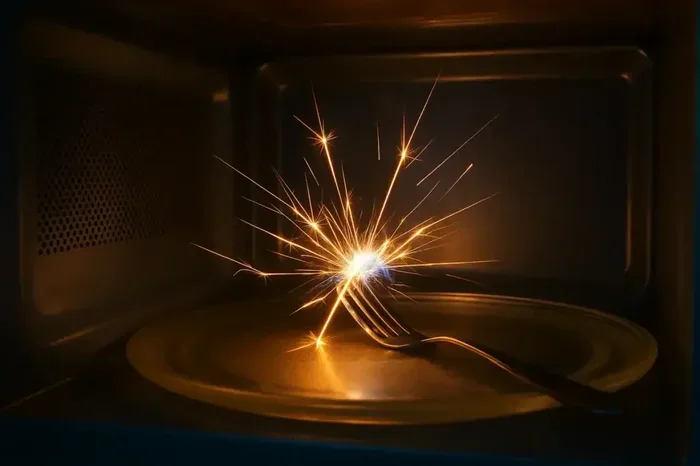
Now, when you put a piece of metal inside the microwave, something interesting happens. The metal reflects the microwaves instead of letting them pass through. This is similar to how the oven walls work. But here is where things get tricky. If the metal has sharp edges, thin spots, or a crumpled shape, the reflected waves can build up and create a lot of energy in one spot. This causes sparking, which is also called arcing. The sparks can damage the interior of the oven, burn the food, or even start a fire.
The Role of Microwave Radiation and Metal Surfaces
The microwave radiation travels in waves, just like ripples in a pond. When these waves hit a smooth, flat metal surface, they bounce off evenly. This is safe. But when the waves hit a thin or jagged piece of metal, they concentrate at the sharp points. This creates a buildup of electrical energy. That energy has nowhere to go, so it jumps into the air as a spark. This is why a crumpled piece of aluminum foil is much more dangerous than a smooth metal bowl.
The microwave wattage also plays a role. Higher wattage microwaves produce more energy, which means the sparking can happen faster and be more intense. A lower wattage oven might not cause visible sparking with a small piece of metal, but it can still cause damage over time. Always check your oven wattage and understand how it affects the way metal behaves inside the cavity.
Types of Metal That Are Safe in a Microwave
Not all metal is bad news for your microwave. In fact, some metal containers are specifically designed to be used in microwave ovens. These are made with materials and shapes that safely manage the way microwaves bounce around inside the oven. Knowing which metals are safe can help you expand your cooking options without worrying about damage.
Microwave-Safe Metal Containers
Many manufacturers now make microwave-safe metal trays and containers. These are tested thoroughly to ensure they work safely with microwave radiation. They usually have smooth surfaces and rounded edges that prevent energy from concentrating in one spot. Some metal cookware brands even sell products specifically labeled for microwave use. Always look for the microwave-safe label on the bottom of the container before putting it in the oven.
Another safe option is the metal rack that comes with some microwave ovens. These racks are designed to fit inside the oven cavity and hold dishes while they cook. They are made from the right type of metal and have the right shape to avoid sparking. If your microwave came with a rack, it is safe to use as directed in the manual.
Metal Utensils: What Works and What Does Not
When it comes to metal utensils, the situation is a bit more nuanced. A metal spoon or fork sitting in a bowl of soup is generally safe if the utensil is not touching the walls of the oven. The key is to make sure the metal does not touch the inside walls or the microwave door. A spoon in a large bowl of liquid is usually fine because the liquid absorbs most of the microwave energy, which keeps the metal from getting too hot.
However, you should avoid putting forks or knives with sharp tines directly in the microwave. The sharp points can concentrate energy and create sparks. If you need to stir food, use a wooden or silicone spoon instead. When you are reheating leftovers, transfer them to a microwave-safe dish rather than leaving them in a metal container with metal utensils inside.
Types of Metal That Can Damage Your Microwave
Some metals are definitely not safe for microwave use. These items can cause sparking, fire, and permanent damage to your oven. Knowing what to avoid is just as important as knowing what is safe to use.
Aluminum Foil and Thin Metal Sheets
Aluminum foil is one of the most common culprits when it comes to microwave damage. Thin foil crinkles easily, and those crinkles create sharp edges and points. When microwaves hit these sharp points, they spark almost immediately. Even a small piece of crumpled foil can cause arcing that damages the interior walls of the oven. If you need to cover food while reheating, use a microwave-safe lid or a paper towel instead.
If you ever accidentally leave a piece of foil in the oven, turn it off immediately. Remove the foil carefully and check the interior for any burn marks or damage. Even if the oven seems fine after a brief exposure, repeated incidents can weaken the oven lining over time and reduce its efficiency.
Metal Trim and Decorative Elements
Many plates and bowls have decorative metal rims or gold and silver trim. These are not safe to put in the microwave. The thin metal decorative elements can spark and even melt onto your dish. Always check plates and bowls for any metallic finish before heating food in them. A microwave-safe dish made entirely of ceramic or glass is always the better choice for heating meals.
Takeout containers with metal handles are another common hazard. If you remove the food from the container and place it in a microwave-safe dish, you avoid the risk entirely. Never put the whole container with metal parts into the microwave, even if it seems like a quick shortcut.
What Happens When Metal Sparks in a Microwave?
Seeing sparks inside your microwave can be frightening, but knowing what to do can help you stay calm and protect your appliance. When metal causes sparking, the electrical energy jumps from the metal to the oven walls or to other metal objects nearby. This can create small burns or pitting on the interior surface of the oven. Over time, repeated sparking can damage the microwave interior lining and affect how well the oven heats food.
Immediate Steps to Take if Sparks Appear
If you notice sparks inside the microwave, act quickly. Follow these steps to stay safe and minimize damage:
- Turn off the microwave immediately. Do not open the door right away. Let the oven sit for a few seconds to let the sparking stop.
- Carefully remove the metal object. Use oven mitts or a towel if the object is hot. Check it for damage before using it again.
- Inspect the interior of the oven. Look for burn marks, melted spots, or damage to the walls or ceiling of the microwave cavity.
- Check the microwave door seal. Make sure the door closes properly and the seal is intact. A damaged seal can let radiation leak out, which is a safety hazard.
- Run a test cycle with a cup of water. Heat a cup of water for one minute. If the oven heats normally and there are no unusual smells or sounds, it is probably still safe to use.
Long-Term Damage from Metal Exposure
A single incident of sparking may not ruin your microwave, but repeated exposure to metal can cause long-term damage. The microwave cavity can develop small holes or pits where sparks have hit the metal walls. These imperfections can affect how microwaves circulate inside the oven, leading to uneven heating. In severe cases, the magnetron, which is the part that generates the microwaves, can become damaged. Replacing a magnetron is expensive, and in many cases, it is more cost-effective to buy a new oven.
To protect your investment, always follow the microwave manual guidelines about what materials are safe to use. If your manual says no metal, take that advice seriously. Even if you have seen someone put metal in a microwave with no problem, every oven is different, and the risks are not worth taking.
Common Myths About Metal in Microwaves
There are many microwave myths floating around that can make it hard to know what is true and what is not. Let us clear up some of the most common misconceptions about putting metal in a microwave oven.
Myth 1: Any Metal Will Explode in the Microwave
This is one of the biggest myths. Metal does not explode in a microwave. What can happen is that thin or crinkled metal sparks and potentially starts a fire. A smooth, thick metal container will not explode. It might get warm, but it will not cause the dramatic effects that many people fear. The key is understanding that the danger comes from the shape and thickness of the metal, not from metal itself.
Myth 2: The Microwave Will Be Ruined Forever
A single, brief encounter with a small piece of metal will not necessarily ruin your microwave. If you catch it quickly and there is no visible damage, the oven may work perfectly fine afterward. However, repeated exposure or a large piece of metal can cause permanent harm. The magnetron and the interior lining are the most vulnerable parts, and damage to either one can be costly to repair.
Myth 3: Only Cheap Microwaves Have Metal Problems
The price of your microwave has nothing to do with how it handles metal. Even high-end ovens can experience sparking if you put the wrong type of metal inside. The design of the microwave cavity and the quality of the components matter, but the rules about metal apply to all microwave ovens regardless of brand or price point.
Best Practices for Using Metal Safely in a Microwave
If you want to use metal containers or utensils in your microwave, there are some clear guidelines you can follow to stay safe. These microwave tips will help you avoid accidents and keep your oven in great shape.
- Always check the label. Look for a microwave-safe symbol on any container before heating. If it says microwave-safe and is made of metal, it has been tested to work safely.
- Keep metal away from the walls. Make sure metal objects do not touch the inside walls of the oven. Leave at least an inch of space between the metal and the cavity walls.
- Use smooth, rounded containers. Avoid anything with sharp edges, crinkled surfaces, or pointed shapes. Smooth surfaces allow microwaves to bounce off safely.
- Never use empty metal containers. An empty metal dish with no food or liquid inside can overheat quickly and cause sparking. Always put food or water in the container before microwaving.
- Supervise your microwave. Stay nearby when using metal in the oven. If you see any sparks, turn the oven off immediately.
- Read the manufacturer manual. Your oven manual is the best resource for understanding what is safe for your specific model. Different ovens may have different tolerances for metal use.
- When in doubt, use alternatives. If you are unsure about a metal item, transfer your food to a glass or ceramic dish. These materials are universally safe for microwave use.
Quick Tips for Everyday Microwave Use
Here are some quick tips to keep in mind every time you use your microwave oven. These simple habits can prevent accidents and extend the life of your appliance.
- Place a microwave-safe cover over dishes to prevent splatters while allowing steam to escape.
- Stir food halfway through cooking to ensure even heating.
- Use microwave-safe glass or ceramic bowls for most reheating tasks.
- Clean the interior of the oven regularly to prevent buildup that can affect performance.
- Never operate a microwave with a damaged door or seal. This is a serious safety hazard.
How to Tell If Your Microwave Is Damaged After a Metal Incident
After a metal-related incident, you should check your microwave for signs of damage. Catching problems early can prevent bigger issues down the road. Here is what to look for.
First, smell the oven after a metal incident. A burning or metallic smell is a warning sign. Open the door carefully and look for any scorch marks or discoloration on the walls or ceiling. Next, check the microwave door seal. Make sure it is clean and intact. A damaged seal can allow radiation to escape, which is dangerous. Finally, test the oven by heating a cup of water. If the water heats normally and the oven runs quietly, it is probably still working fine. If you notice unusual sounds, uneven heating, or a burning smell during the test, stop using the oven and have it inspected by a professional.
Expert Insights on Microwave Safety
According to appliance safety experts, the most important rule for microwave use is to follow the manufacturer guidelines. Every microwave is tested with specific materials in mind, and the manual tells you exactly what is safe. Experts also recommend keeping a fire extinguisher in the kitchen as a precaution, especially if you frequently use metal containers or cook with high-fat foods that can splatter.
Professional appliance technicians often see damage caused by metal objects that people did not realize were dangerous. A common scenario is someone reheating food on a decorative plate with a metal rim. The sparks are small at first, but over time they wear down the interior coating. By the time the damage becomes noticeable, the repair cost is often higher than the price of a new microwave. This is why prevention and awareness are so important.
Another expert tip is to replace any metal containers that show signs of warping or discoloration. A damaged container may not work safely in the microwave, even if it was safe when you first bought it. Regular inspection of your cookware and containers helps you stay ahead of potential problems.
Key Takeaways
- Not all metal is dangerous: Some microwave-safe metal containers and utensils are designed to work inside the oven without causing damage.
- Thin metals are risky: Aluminum foil, crumpled foil, and thin metal trays can spark and start a fire very quickly.
- The shape matters: Smooth, rounded metal surfaces are safer than crinkled or pointed metal shapes that concentrate energy.
- Microwave walls are metal: The inside of your oven is made of metal, and it is designed to handle the electromagnetic waves safely.
- Accidents happen: If a piece of metal accidentally goes in, remove it quickly and check for damage before using the oven again.
- Follow the manual: Your microwave manual lists exactly what is safe and what is not, so always read it before use.
- When in doubt, use glass or ceramic: These materials are the safest choices for heating food in any microwave oven.
Conclusion
So, can you put metal in a microwave oven without ruining it? The answer is yes, but with important conditions. Microwave-safe metal containers that are smooth and rounded can be used safely if you follow the guidelines. Thin metals like foil, crumpled metal, and decorative trim should always be kept out of the oven. Understanding how microwave radiation interacts with different types of metal helps you make smart choices in the kitchen.
The most important takeaway is to always check your oven manual and look for microwave-safe labels on containers. When you are unsure, choose glass or ceramic dishes instead. These simple habits will protect your microwave, keep your food safe, and give you peace of mind every time you heat up a meal. Your microwave is a valuable kitchen tool, and treating it with care will keep it running smoothly for many years to come.
Remember, knowledge is your best defense against microwave damage. Now that you understand the truth about metal and microwaves, you can cook with confidence and avoid the mistakes that lead to costly repairs. Share this information with friends and family who might be unsure about the rules, and help everyone in your kitchen stay safe and informed.
Frequently Asked Questions
Can you put a metal spoon in a microwave?
A metal spoon is generally safe if it is placed in a bowl of food or liquid and does not touch the oven walls. The liquid absorbs most of the microwave energy, which prevents the spoon from sparking. However, avoid putting a spoon with sharp edges directly in an empty microwave.
Why does metal spark in a microwave oven?
Metal sparks because microwaves reflect off the metal surface. When the metal has sharp edges, thin spots, or a crumpled shape, the reflected waves concentrate at those points and create sparks. This is called arcing, and it can damage the oven or start a fire if not addressed quickly.
Is it safe to reheat food in a metal container?
It depends on the container. Smooth, thick metal containers that are labeled microwave-safe are safe to use. Containers with thin walls, sharp edges, or decorative metal trim should be avoided. Always check the label and follow the manufacturer instructions.
What should I do if I accidentally put foil in the microwave?
If you see sparks from foil, turn off the microwave immediately. Do not open the door right away. Wait a few seconds, then carefully remove the foil and inspect the interior for damage. If the oven smells normal and heats food properly afterward, it is likely still safe to use.
Are microwave-safe metal containers worth buying?
Yes, microwave-safe metal containers are a great investment if you frequently reheat meals. They are durable, conduct heat evenly, and are designed to work safely with microwave radiation. Look for reputable brands that clearly label their products as microwave-safe.
Can metal damage the magnetron in a microwave?
Yes, repeated exposure to metal can potentially damage the magnetron, which is the component that generates microwaves. Severe sparking or prolonged metal exposure can cause the magnetron to weaken or fail. This type of damage is expensive to repair, so it is best to prevent it by following safety guidelines.