How Many Degrees To Cook Chicken In Oven For Perfect Results
The ideal oven temperature for chicken is 400°F to 425°F, which gives you crispy skin and juicy meat. You need to know how many degrees to cook chicken in oven for each cut, whether it’s breasts, thighs, or a whole bird. This guide covers temperatures, times, and expert tips to help you bake chicken perfectly every time.
Many home cooks ask one simple question: how many degrees to cook chicken in oven. The answer shapes everything from texture to safety. Chicken oven temperature is the single most important factor that determines whether your meal turns out dry or perfectly juicy. Oven-baked chicken can be a weeknight staple when you nail the right heat and timing. This guide breaks down every chicken cooking temperature you need to know. We’ll cover breasts, thighs, whole birds, and everything in between. You’ll learn how long to bake chicken at each temperature. We’ll also share quick tips to avoid common pitfalls. By the end, you’ll feel confident walking into your kitchen with a clear plan. Baking chicken becomes easy once you understand the basics. Let’s dive into the perfect chicken oven temperature for every cut.
Key Takeaways
- 400°F to 425°F is the best range: This chicken oven temperature ensures crispy skin and juicy meat without drying out.
- Internal temp matters most: Always cook chicken to a safe internal temperature of 165°F (74°C) at the thickest part.
- Different cuts need different times: Chicken breasts bake faster than thighs or whole birds. Adjust baking time accordingly.
- Use a meat thermometer: It’s the only reliable way to check if your oven-baked chicken is done.
- Rest the chicken: Letting it rest for 5-10 minutes keeps juices locked in for a juicy chicken result.
- Avoid common mistakes: Overcooking, skipping rest, and using the wrong pan can ruin your roasted chicken.
📑 Table of Contents
- How Many Degrees To Cook Chicken In Oven: The Ideal Temperature
- Chicken Cuts and Their Ideal Oven Temperatures
- How Long To Bake Chicken At Different Temperatures
- Tips For Juicy, Flavorful Oven-Baked Chicken
- Common Mistakes That Ruin Chicken In The Oven
- Expert Insights On Chicken Oven Temperature
- Conclusion
How Many Degrees To Cook Chicken In Oven: The Ideal Temperature
The sweet spot for most oven-baked chicken is between 400°F and 425°F. This range gives you a beautifully crispy skin while keeping the inside moist. Roasted chicken internal temp must reach 165°F (74°C) for food safety. Lower temperatures like 350°F work too, but they take longer. Longer cooking times can dry out leaner pieces. Higher heat locks in moisture faster. It also promotes the Maillard reaction. That’s the chemical process that creates golden-brown flavor and crunch. Chicken oven temperature of 425°F is a favorite among chefs. It delivers great results in less time. If you’re unsure, start with 400°F. It’s a forgiving temperature for beginners.
Why 400°F to 425°F Is the Sweet Spot
At 400°F to 425°F, the outside of the chicken sears quickly. This sealing action traps juices inside. The meat stays tender and flavorful. Crispy chicken skin forms at these high heats. Lower temperatures steam the skin instead of crisping it. You end up with a pale, rubbery texture. High heat also reduces the risk of overcooking. The chicken spends less time in the oven. This is especially helpful for chicken breasts. Breasts have very little fat. They dry out fast at low temperatures. A hot oven gives you a shorter chicken cooking time. That means more moisture stays locked in. Safe chicken temperature is still the top priority. Always use a meat thermometer to verify doneness.
The Science Behind Chicken Oven Temperature
Understanding a little science helps you cook better chicken. Proteins in meat denature at different rates. Heat causes muscle fibers to contract. This squeezes out moisture. High heat cooks the surface fast. It creates a barrier that holds juices in. The inside gently cooks from the outside in. Chicken breast cooking temp needs careful attention. The breast has no bones or much fat. It relies on proper timing and heat. A chicken oven temperature of 400°F balances speed and control. You get a moist interior without burning the outside. This science applies to all chicken pieces. Whole chicken oven temp also benefits from high heat. The cavity stays moist while the skin crisps.
Chicken Cuts and Their Ideal Oven Temperatures
Not all chicken cooks the same way. Different cuts need different chicken oven temperature settings. Bone-in pieces handle high heat better. Boneless cuts need more careful timing. Below we break down the best oven-baked chicken approach for every cut.
Chicken Breasts
Chicken breast cooking temp is all about precision. Boneless, skinless breasts do best at 400°F. They need about 20 to 25 minutes. Bone-in, skin-on breasts can handle 425°F. They bake for 25 to 30 minutes. The skin adds moisture and flavor. Always pound breasts to even thickness. This ensures they cook uniformly. Uneven pieces lead to dry spots. Baking chicken breasts at a steady 400°F gives you tender results. Don’t overcook them. Pull them out at 160°F. They’ll rise to 165°F while resting. That’s the safe internal temperature for chicken.
Chicken Thighs and Drumsticks
Dark meat is more forgiving. Chicken thighs baking at 425°F yields crispy skin and rich flavor. Bone-in thighs need 35 to 40 minutes. Drumsticks take about 30 to 35 minutes. The higher fat content keeps them juicy. Chicken oven temperature of 425°F renders the fat perfectly. It also crisps the skin beautifully. You can go as high as 450°F for extra crunch. Just watch the timing closely. Roasted chicken internal temp for thighs should hit 175°F to 180°F. Dark meat is safe and juicy at that range. The collagen in dark meat breaks down more. It becomes tender and succulent.
Whole Chicken
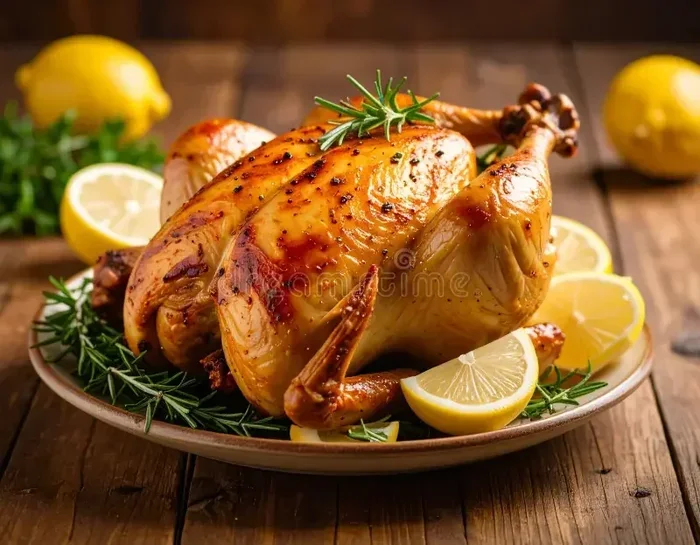
A whole chicken oven temp of 425°F is ideal. It cooks evenly and gives you crispy skin. A 4- to 5-pound bird takes about 1 hour 15 minutes. Plan for 20 minutes per pound. Stuff the cavity with herbs and lemon. This adds flavor from the inside out. Oven-baked chicken whole birds need a meat thermometer in the thickest part of the thigh. Avoid touching the bone. The chicken cooking temperature there must reach 165°F. Let the whole chicken rest for 15 minutes before carving. This redistributes the juices. You’ll end up with a juicy chicken that impresses everyone.
How Long To Bake Chicken At Different Temperatures
How long to bake chicken depends on the cut and the heat. A general rule is higher heat equals shorter time. But every oven runs a little differently. Use the chart below as a starting point. Always verify with a thermometer.
| Chicken Cut | Oven Temp | Approx. Time | Internal Temp |
|---|---|---|---|
| Boneless Breasts | 400°F | 20–25 min | 165°F |
| Bone-in Breasts | 425°F | 25–30 min | 165°F |
| Thighs (bone-in) | 425°F | 35–40 min | 175°F |
| Drumsticks | 425°F | 30–35 min | 175°F |
| Whole Chicken (4–5 lb) | 425°F | 1 hr 15 min | 165°F |
Baking Time Chart for Chicken Breasts
Chicken breasts are the most common cut. They also the most prone to drying out. At 400°F, a 6-ounce breast bakes in 20 to 22 minutes. At 350°F, it takes 30 to 35 minutes. The lower temperature cooks the meat gently. But it also exposes it to heat for longer. That extra time can squeeze out moisture. Oven-baked chicken breasts taste best when baked hot and fast. If you’re baking multiple breasts, space them evenly. Crowding the pan traps steam. Steam prevents crispy skin. Give each piece room to breathe. This small step makes a big difference in crispy chicken skin.
Whole Chicken Cooking Time
A whole chicken needs steady, even heat. How many degrees to cook chicken in oven for a whole bird is 425°F. This temperature crisps the skin quickly. It also cooks the meat through without over-drying. A 3-pound chicken takes about 50 minutes. A 6-pound bird needs 1 hour 30 minutes. Always let the chicken rest after baking. Tent it loosely with foil. Resting lets the juices settle. The roasted chicken internal temp will rise another 5°F. This carryover cooking is essential. It ensures the chicken is safely cooked throughout.
Quick Tips For Timing
- Preheat the oven: Always preheat to the target chicken oven temperature before placing the chicken inside.
- Use a timer: Set a timer for the minimum bake time. Check doneness early.
- Rotate the pan: Halfway through, rotate the pan 180 degrees. This promotes even browning.
- Check the thickest part: The thermometer should go into the meatiest section, away from bone.
- Let carryover do the work: Pull the chicken 5°F below the target temp. It will rise while resting.
Tips For Juicy, Flavorful Oven-Baked Chicken
Temperature is just one part of the equation. Technique matters just as much. These tips will elevate your oven-baked chicken from good to great. You’ll get consistent results every time.
Brining And Marinating
Brining is the secret to super juicy chicken. A simple saltwater soak adds moisture and flavor. Brine chicken breasts for 30 minutes to 2 hours. Thighs and whole birds benefit from a 4- to 12-hour brine. Buttermilk marinades also tenderize meat. The acid gently breaks down proteins. This makes the chicken more succulent. Baking chicken after a brine or marinade gives you a flavorful crust. Pat the chicken dry before baking. Dry skin crisps much better. Skip this step and you’ll get pale, soft skin. Safe chicken temperature is still the priority. Don’t let brined chicken sit at room temperature too long.
Resting The Chicken
Resting is a step many people skip. It’s the final key to juicy chicken. When you pull chicken from the oven, the juices are concentrated near the surface. Cutting immediately releases those juices onto the cutting board. The meat dries out fast. Resting allows the juices to redistribute. They get reabsorbed into the muscle fibers. Chicken oven temperature drops slightly during rest. Carryover cooking raises the internal temp a few degrees. This is actually a good thing. It gives you a more evenly cooked piece. Rest chicken breasts for 5 minutes. Rest thighs and whole birds for 10 to 15 minutes. Use foil to keep them warm while resting.
Using A Meat Thermometer
A meat thermometer is the only reliable way to check doneness. How many degrees to cook chicken in oven matters, but the final internal temperature is what counts. Visual cues like juice color can be misleading. Clear juice doesn’t always mean the chicken is done. The safe internal temperature for all chicken is 165°F (74°C). Insert the thermometer into the thickest part. Avoid touching bone. Bone conducts heat differently. It can give a false reading. Instant-read thermometers are fast and accurate. Leave them in for about 15 seconds. Digital probe thermometers work great for whole birds. They let you monitor the roasted chicken internal temp without opening the oven door.
Common Mistakes That Ruin Chicken In The Oven
Even experienced cooks make errors. Knowing what to avoid saves you from dry, bland chicken. Here are the most common mistakes and how to fix them.
Overcooking The Chicken
Overcooking is the number one enemy of oven-baked chicken. It turns tender meat into dry, stringy pieces. Chicken breasts overcook in minutes. The difference between 160°F and 170°F is huge. That 10-degree gap can turn a juicy breast into a hockey puck. Chicken oven temperature is high, so timing is critical. Set a timer and check early. Pull the chicken when it’s 5°F below the target. Carryover cooking will bring it up to safe chicken temperature. If you’re unsure, slice into the thickest part. It should be just opaque, not chalky. Baking chicken requires attention. Walk away too long and you pay the price.
Skipping The Rest Period
Cutting into chicken right out of the oven is tempting. It’s hot and ready. But that’s exactly when you should wait. The juices are under high pressure inside the meat. They spill out onto the board instead of staying in the chicken. You end up with a less flavorful, drier piece. Roasted chicken internal temp continues to rise during rest. This carryover cooking ensures the center is perfectly done. Resting also lets the muscle fibers relax. They reabsorb moisture. A 5- to 10-minute rest makes a noticeable difference in texture. Chicken oven temperature does the heavy lifting, but resting seals the deal.
Wrong Pan Or Foil
The pan you choose affects crispiness. A dark, thin sheet pan absorbs more heat. It can over-brown the bottom. A wire rack set over a sheet pan is ideal. It allows air to circulate under the chicken. This promotes even crispy chicken skin. Avoid covering chicken with foil for the entire bake. Foil traps steam. Steam softens the skin. You want dry heat for crispiness. You can tent with foil during resting. That keeps the chicken warm without steaming it. Oven-baked chicken also benefits from a light coat of oil or melted butter. This helps the skin brown. Use parchment paper for easy cleanup. It also prevents sticking. Chicken cooking temperature works best with proper airflow and dry heat.
Expert Insights On Chicken Oven Temperature
Professional chefs and food scientists agree on a few key points. These insights can take your baking chicken skills to the next level.
Chef Recommendations
Many chefs prefer a chicken oven temperature of 425°F. It delivers the best balance of crisp and moisture. Chef Thomas Keller roasts whole chickens at 425°F. He starts them breast-side down. This renders the fat from the skin. It also keeps the breast meat protected. Chef Samin Nosrat also advocates high heat for oven-baked chicken. She says it creates more flavor through browning. The Maillard reaction is strongest at 400°F and above. High heat also reduces overall cooking time. Less time in the oven means less chance of drying out. For chicken thighs baking, 450°F is a popular choice. The high heat crisps the skin quickly. It also gives you a beautiful glaze.
Food Safety Guidelines
The USDA sets the safe chicken temperature at 165°F (74°C). This applies to all cuts. Bacteria like Salmonella are destroyed at this temperature. Some chefs prefer to pull chicken at 160°F. They rely on carryover cooking. The roasted chicken internal temp will rise to 165°F during rest. This is safe if you rest properly. Always use a calibrated thermometer. Visual checks are not reliable. How many degrees to cook chicken in oven is a great starting question. But the final answer is always the internal temperature. Keep your oven clean and calibrated. An oven thermometer can verify the actual temperature inside. Many ovens run hot or cold. Knowing your oven’s true chicken oven temperature ensures accuracy.
Conclusion
Knowing how many degrees to cook chicken in oven transforms your cooking. The right chicken oven temperature gives you crispy skin, juicy meat, and perfect safety. Aim for 400°F to 425°F as your default range. Adjust for different cuts and sizes. Use a meat thermometer to check the internal temperature. Always let the chicken rest before serving. Avoid overcooking and common timing mistakes. Oven-baked chicken is one of the most versatile meals you can make. It’s healthy, delicious, and easy to customize. Now you have the knowledge to bake chicken with confidence. Try these tips on your next chicken dinner. You’ll notice the difference immediately. Baking chicken becomes second nature once you master the heat. Enjoy your perfectly cooked roasted chicken every single time.
Frequently Asked Questions
What is the best oven temperature for chicken?
The best chicken oven temperature is 400°F to 425°F. This range gives you crispy skin and juicy meat. It also reduces cooking time, which helps prevent drying out.
How long does it take to bake chicken at 400°F?
Chicken breasts bake in 20 to 25 minutes at 400°F. Bone-in thighs and drumsticks take 30 to 40 minutes. A whole 4-pound chicken needs about 1 hour 10 minutes. Always check the internal temperature to be sure.
Can you cook chicken at 350°F instead of 400°F?
Yes, you can cook chicken at 350°F. It takes longer, usually 30 to 40 percent more time. The skin won’t get as crispy, but the meat stays moist. How many degrees to cook chicken in oven depends on your preference for texture and timing.
What is the safe internal temperature for chicken?
The safe chicken temperature is 165°F (74°C) at the thickest part. This applies to all cuts, including breasts, thighs, and whole birds. Use a meat thermometer to verify.
Why is my oven-baked chicken dry?
Dry chicken usually means overcooking. Chicken breasts are especially prone because they have little fat. Cooking at too low a temperature for too long also causes dryness. Always pull chicken at 160°F and let it rest.
Should I cover chicken with foil when baking chicken?
No, avoid covering chicken with foil during baking. Foil traps steam and prevents crispy skin. You can tent with foil during resting to keep the chicken warm. Use a wire rack for the best crispy chicken skin.