How Hot To Cook Asparagus In Oven For Perfect Results
Want perfectly roasted asparagus every time? The secret is knowing exactly how hot to cook asparagus in oven. This guide reveals the ideal temperature, timing, and simple steps for crispy, tender spears that turn any meal into a restaurant-quality experience.
Asparagus is one of the most versatile vegetables you can roast in the oven. It pairs well with almost any protein and adds a vibrant green touch to your plate. But getting it just right can feel tricky. The oven temperature makes all the difference. How hot to cook asparagus in oven determines whether you get crispy tips or mushy spears. In this guide, I’ll share the exact temperature and timing you need. You’ll learn simple tricks to elevate this healthy side dish every time.
Many home cooks overthink the process. They worry about burning the vegetable or ending up with soggy results. The truth is, roasting asparagus is incredibly forgiving once you know the basics. A hot oven, a little oil, and a watchful eye are all you need. Whether you prefer thin, pencil-like spears or thick, meaty stalks, the right heat setting will bring out the best in them. I’ll walk you through every step so you can serve perfect oven roasted asparagus with confidence.
This article covers everything from temperature selection to flavor variations. You’ll find a handy temperature table, timing charts, and pro tips that make the process foolproof. I’ll also share common mistakes to avoid and ways to store leftovers. By the end, you’ll have all the knowledge to make roast asparagus a regular part of your meal rotation. Let’s get started with the fundamentals.
Key Takeaways
- High heat is key: Roast asparagus at 400°F to 425°F for crispy edges and tender tips.
- Thickness matters: Thin spears cook in 8-10 minutes; thick ones need 12-15 minutes.
- Dry the spears: Pat them dry before seasoning to avoid steaming and ensure crispiness.
- Don’t overcrowd the pan: Use a single layer for even cooking and caramelization.
- Season simply: Olive oil, salt, and garlic are all you need for classic flavor.
- Check for doneness: Spears should be tender but still have a slight snap when bent.
- Store properly: Leftovers keep for 3 days in the fridge and reheat well in the oven.
📑 Table of Contents
Why Oven-Roasted Asparagus Is a Game-Changer
Roasting asparagus in the oven transforms this simple vegetable into something extraordinary. The dry heat caramelizes the natural sugars, creating a slightly sweet and nutty flavor. It also gives the spears a satisfying crunch on the outside while keeping the inside tender. Unlike boiling or steaming, roasting doesn’t make the vegetable waterlogged. You get a rich, concentrated taste that works beautifully as a side dish.
The method is also incredibly easy. You need very little equipment and minimal prep time. A sheet pan, some olive oil, and your favorite seasonings are all that’s required. This makes oven roasted asparagus a perfect choice for busy weeknights or dinner parties. It scales up easily too. You can roast a large batch for a family meal or keep it simple for one or two people.
The Magic of High Heat
High heat is the secret behind perfectly roasted asparagus. When the oven is hot, the spears cook quickly. This rapid cooking seals the outside, locking in moisture and creating that desirable crisp texture. A temperature around 400°F to 425°F works best. It’s hot enough to brown the tips but not so hot that the bottoms burn before the thick parts are done.
Low temperatures cause the asparagus to steam in its own moisture. This leads to a limp, pale result that lacks flavor. High heat triggers the Maillard reaction, which is the chemical process that creates those golden-brown, flavor-packed surfaces. That’s why how hot to cook asparagus in oven matters so much. The right temperature turns a plain vegetable into a standout dish.
Prep Work That Makes a Difference
Good prep sets you up for success. Start by washing the spears under cold water. Then snap off the tough, woody ends at the natural break point. This usually happens where the stem turns from white to green. You can also peel the lower portion of thick stalks with a vegetable peeler. This removes the fibrous skin and ensures even cooking.
Next, pat the asparagus completely dry with a clean kitchen towel. Moisture is the enemy of crispiness. Wet spears will steam instead of roast, which leads to a soft texture. Once dry, toss them lightly in a bowl with olive oil and a pinch of salt. Make sure every spear is coated but not dripping. This thin layer of oil helps conduct heat evenly and promotes browning.
The Perfect Oven Temperature for Asparagus
The ideal temperature for roasting asparagus depends on the thickness of the spears and your desired level of crispness. Most recipes converge around 400°F, which is a safe and reliable choice for average-sized stalks. If you like extra crispy tips, you can push the heat to 425°F. For thinner spears, a slightly lower temperature of 375°F gives you more control and prevents burning.
The key is to preheat the oven before the asparagus goes in. A fully heated oven ensures the spears start cooking immediately. This creates a consistent sear from the moment they hit the pan. I always set my oven to the target temperature at least 10 minutes early. This small step makes a big difference in the final texture.
Temperature Table: Thin vs. Thick Spears
Not all asparagus spears are the same. Thin ones cook faster and benefit from slightly lower heat. Thick spears need more time and higher temperatures to cook through without drying out. Use this simple table as a quick reference when you’re deciding how hot to cook asparagus in oven based on what you have in the fridge.
| Spear Thickness | Recommended Oven Temp | Cooking Time | Result |
|---|---|---|---|
| Thin (pencil-sized) | 375°F | 8-10 minutes | Tender, delicate, light crisp |
| Medium (standard) | 400°F | 10-12 minutes | Balanced crispness and tenderness |
| Thick (meat stalks) | 425°F | 12-15 minutes | Crispy edges, fully cooked center |
Quick Tips for Temperature Control
Here are a few simple tips to keep your asparagus oven temp spot on every time:
- Use an oven thermometer to verify the actual temperature. Many ovens run hot or cold.
- Place the rack in the center of the oven for even heat circulation.
- Avoid opening the oven door too often. Each peek drops the temperature significantly.
- If your oven has hot spots, rotate the pan halfway through cooking.
- For extra crispy results, finish with a 2-minute broil after roasting.
How Long to Cook Asparagus in the Oven
Timing is just as important as temperature. Overcooked asparagus turns mushy and loses its bright green color. Undercooked spears are tough and fibrous. The goal is to hit the sweet spot where the outside is lightly browned and the inside is just tender. This usually takes between 8 and 15 minutes, depending on thickness and oven accuracy.
I recommend checking the spears a couple of minutes before the minimum time. Gently press the thickest part of a spear with tongs. It should yield slightly but still have a firm bite. The tips should look slightly wrinkled and dark green, which signals caramelization. Once they reach this stage, pull the pan out immediately. The residual heat will continue to cook them on the hot sheet.
Timing by Thickness
Here’s a simple breakdown of roasting times based on spear size. These times assume a preheated oven at the recommended temperatures from the table above.
- Thin spears at 375°F: 8 to 10 minutes. Check at 8 minutes for doneness.
- Medium spears at 400°F: 10 to 12 minutes. Start checking at 10 minutes.
- Thick spears at 425°F: 12 to 15 minutes. They may need the full 15 minutes if very large.
Remember that these times are guidelines. Your oven’s performance and the initial temperature of the asparagus can shift them by a minute or two. The best way to judge is by texture and color. Look for a deep green color with some charred spots on the tips. That’s the visual cue that your roast asparagus is ready.
Common Mistakes That Ruin the Timing
Even experienced cooks make timing errors with asparagus. Here are the most common ones to avoid:
- Overcrowding the pan: Too many spears stacked on top of each other trap steam. This turns roasting into steaming and adds 3-5 extra minutes to cook time.
- Skipping the preheat: Putting cold asparagus into a cold oven extends the cooking time and results in uneven roasting.
- Using too much oil: A pooled layer of oil causes the bottoms to fry rather than roast. Use just enough to lightly coat the spears.
- Ignoring the oven rack position: Placing the pan too close to the top or bottom element can scorch the tips or undercook the bases.
Seasoning and Flavor Variations
Once you master the basic asparagus recipe, you can experiment with countless flavor combinations. The vegetable’s natural taste is slightly grassy and earthy, which pairs well with almost any seasoning. A simple drizzle of olive oil and a sprinkle of sea salt is hard to beat. But adding a few extra ingredients can turn your healthy asparagus into a craveable dish.
Classic Garlic and Olive Oil
This is the go-to flavor profile for a reason. It’s simple, elegant, and lets the asparagus shine. Toss the dry spears with extra virgin olive oil, minced fresh garlic, and a generous pinch of kosher salt. Spread them on the pan in a single layer. Roast at 400°F for 10-12 minutes. When they come out, squeeze a few drops of fresh lemon juice over the top. The acid brightens all the flavors and cuts through the richness of the oil.
For an extra aromatic twist, add a few cracks of black pepper and a pinch of red pepper flakes. Some people like to grate a little lemon zest onto the spears before serving. This version works beautifully alongside grilled chicken or fish. It’s also a fantastic asparagus side dish for a holiday dinner table.
Cheesy and Crunchy Toppings
If you love rich, indulgent flavors, try topping your roasted asparagus with cheese. Parmesan is a natural choice. Grate some fresh Parmesan over the spears during the last 2 minutes of roasting. The heat will melt the cheese slightly and create a salty, umami crust. For a crunchier version, toss the cooked asparagus with breadcrumbs that have been toasted in a little butter and olive oil.
Another crowd-pleaser is a drizzle of balsamic glaze after roasting. The sweet and tangy glaze adds a restaurant-quality finish. You can also mix in toasted pine nuts or sliced almonds for texture. For a spicy kick, sprinkle smoked paprika or a pinch of cayenne pepper before roasting. These variations make bake asparagus feel like a completely new dish every time.
Step-by-Step Recipe for Perfectly Roasted Asparagus
Now that you understand the principles, let’s put it all together into a simple, reliable recipe. This method works every time and produces restaurant-quality results with minimal effort. Follow these steps to make the best oven roasted asparagus you’ve ever tasted.
Ingredients and Tools
- 1 bunch of fresh asparagus (about 1 pound)
- 1 to 2 tablespoons extra virgin olive oil
- ½ teaspoon kosher salt (adjust to taste)
- ¼ teaspoon black pepper
- 2 cloves garlic, minced (optional)
- 1 teaspoon lemon juice (optional)
- Large mixing bowl
- Sheet pan or baking dish
- Parchment paper or aluminum foil (optional for easy cleanup)
The Cooking Process
Start by preheating your oven to 400°F. While the oven heats, wash the asparagus and snap off the woody ends. Pat the spears thoroughly dry with a towel. Place them in a large bowl and add the olive oil, salt, pepper, and minced garlic if using. Toss gently until every spear is evenly coated.
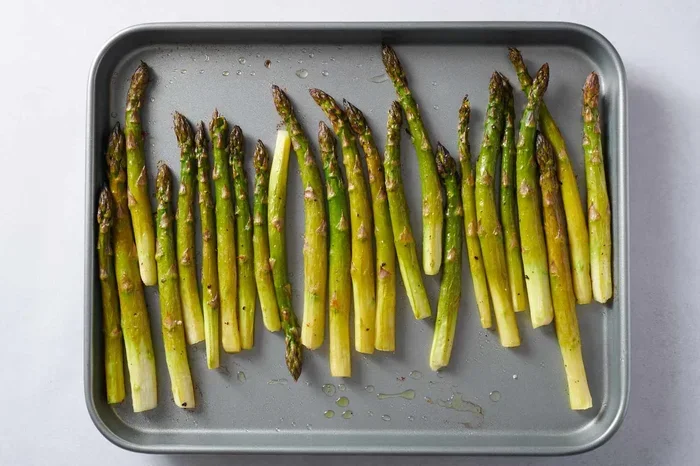
Line your sheet pan with parchment paper if you like. Arrange the asparagus in a single layer with the thick ends pointing outward. This ensures the thinner tips don’t burn. Slide the pan into the preheated oven and set a timer for 10 minutes. At the 10-minute mark, check the spears. The thick ends should be slightly tender when pierced with a fork. If they need more time, continue roasting for 2-3 minute intervals.
Once the asparagus is done, remove the pan from the oven. Immediately drizzle with lemon juice if desired. Serve it right away while it’s hot and crispy. How hot to cook asparagus in oven becomes second nature after you make this recipe a few times. You’ll know exactly when to pull the pan out based on color and texture.
Storing and Reheating Leftover Asparagus
Roasted asparagus keeps well for a few days, which makes it a great make-ahead side dish. Proper storage maintains the texture and prevents the spears from becoming slimy. I always let the asparagus cool completely before putting it away. Placing hot vegetables in a sealed container creates condensation, which leads to sogginess.
Best Practices
Transfer the cooled asparagus to an airtight container. It will stay fresh in the refrigerator for up to 3 days. When you’re ready to eat, reheat it in the oven at 350°F for 5-7 minutes. This brings back the slight crispness without overcooking the spears. Avoid microwaving if possible, as it tends to make the asparagus rubbery and limp. A quick toss in a hot skillet with a drop of oil also works well.
Can You Freeze Roasted Asparagus?
Yes, you can freeze roasted asparagus, but the texture will change slightly. Flash freeze the cooled spears on a sheet pan first, then transfer them to a freezer bag. This prevents them from sticking together. Frozen roasted asparagus keeps for up to 2 months. Thaw it overnight in the fridge and reheat in the oven. It works best in soups, stews, or casseroles where a perfectly crisp texture isn’t the main goal.
Conclusion
Mastering the oven temperature for asparagus is one of the simplest skills you can add to your cooking repertoire. The difference between soggy spears and crispy, caramelized perfection comes down to one thing: how hot to cook asparagus in oven. With the right temperature, proper timing, and a little attention, you can turn this humble vegetable into a star of the plate.
Remember to dry your spears, use a single layer on the pan, and check for doneness a few minutes early. These small habits make a huge impact. Whether you keep it simple with garlic and olive oil or experiment with cheesy and crunchy toppings, the process remains the same. High heat, a watchful eye, and a hot pan are all you need.
Now that you have all the tools and tips, it’s time to put them into practice. Grab a bunch of fresh asparagus, preheat your oven, and enjoy the process. Roasted asparagus is a dish that impresses with minimal effort. Once you nail the technique, you’ll wonder how you ever cooked it any other way. Happy roasting!
Frequently Asked Questions
What is the best temperature to roast asparagus in the oven?
The best temperature is 400°F for most spears. Thin asparagus does well at 375°F, while thick stalks benefit from 425°F. This range ensures the outside gets crispy and caramelized while the inside stays tender and juicy.
How long does it take to cook asparagus in the oven?
Cooking time ranges from 8 to 15 minutes depending on spear thickness. Thin spears need 8-10 minutes at 375°F, medium spears take 10-12 minutes at 400°F, and thick spears require 12-15 minutes at 425°F. Always check for tenderness a few minutes before the minimum time.
Should I wrap asparagus in foil when roasting?
No, avoid wrapping asparagus in foil. Foil traps steam and prevents the spears from roasting properly. It leads to a soft, steamed texture instead of the desired crispiness. Use a parchment-lined sheet pan for easy cleanup without sacrificing crunch.
Can I cook asparagus at a lower temperature for longer?
You can, but it’s not recommended. Low temperatures cause the asparagus to steam in its own moisture, resulting in a limp, pale product. High heat is essential for caramelization and texture. Stick to 400°F or higher for the best oven roasted asparagus.
How do I know when roasted asparagus is done?
Done asparagus has bright green color with slightly wrinkled, charred tips. The thickest part of the spear should be tender when pierced with a fork but still have a slight snap. The outside should be lightly browned and crispy, not soft or mushy.
What are some easy seasonings for roasted asparagus?
Classic seasonings include olive oil, salt, pepper, and minced garlic. For extra flavor, add lemon juice, grated Parmesan, balsamic glaze, smoked paprika, or toasted nuts. These simple additions turn a basic asparagus recipe into a gourmet side dish in minutes.