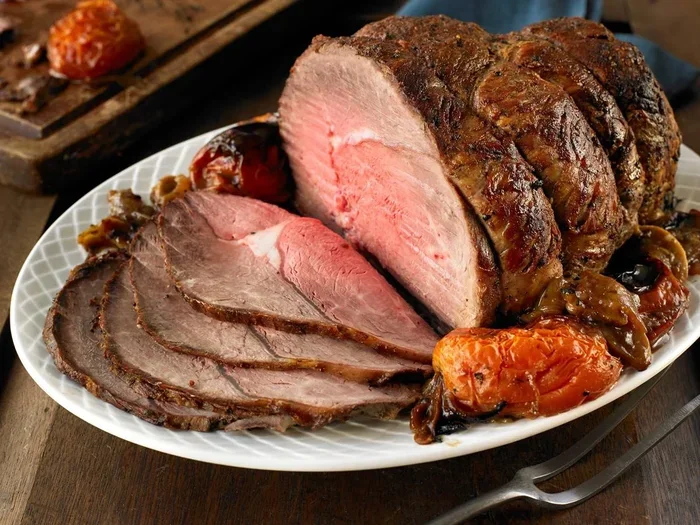
How To Slow Cook A Roast In A Roaster Oven Made Easy
Learning how to slow cook a roast in a roaster oven is simpler than you think. This guide walks you through every step, from picking the right cut to serving a perfectly tender meal. You will discover pro tips, easy recipes, and common mistakes to avoid. Whether you are a beginner or a seasoned cook, this method delivers consistent, mouthwatering results.
Key Takeaways
- Low and slow cooking works wonders: A roaster oven creates the perfect environment for a tender, juicy roast with minimal effort.
- Choosing the right cut matters: Chuck roast, brisket, and pot roast are ideal choices for slow cooking in a roaster oven.
- Searing before slow cooking adds flavor: A quick sear on the stovetop locks in juices and creates a beautiful crust.
- Temperature and timing are key: Most roasts cook best at 200-250°F for 6-8 hours depending on size.
- Resting the roast is essential: Letting the meat rest after cooking keeps it juicy and makes it easier to slice.
- Avoid common mistakes: Skipping the sear, overfilling the roaster, and opening the lid too often can ruin your roast.
- A roaster oven replaces a slow cooker: It offers more versatility, better browning, and easier cleanup in many cases.
📑 Table of Contents
- Why A Roaster Oven Is Perfect For Slow Cooking A Roast
- Choosing The Right Cut Of Meat For Slow Cooking
- Step-By-Step Guide To Slow Cooking A Roast In A Roaster Oven
- Best Roaster Oven Recipes For Slow Cooked Roast
- Common Mistakes To Avoid When Slow Cooking A Roast
- Tips For Getting The Perfect Tender Roast Every Time
- Frequently Asked Questions
- Conclusion
Why A Roaster Oven Is Perfect For Slow Cooking A Roast
Not everyone owns a countertop slow cooker. That is perfectly fine. A roaster oven can do everything a slow cooker does and more. It heats evenly. It holds more food. And it gives you better control over temperature.
When you slow cook a roast in a roaster oven, the enclosed space traps moisture. This keeps your meat juicy throughout the entire cooking process. The result? A fork-tender roast that falls apart with just a touch of a fork.
Many home cooks are surprised by how versatile a roaster oven really is. You can bake, roast, steam, and yes, slow cook. It is one of those kitchen appliances that earns its spot on the counter year-round.
Roaster Oven Vs Slow Cooker: What Is The Difference?
A slow cooker uses low, steady heat over many hours. A roaster oven works similarly but offers a few advantages. First, you get better heat distribution. Second, you can sear your meat right inside the roaster before slow cooking. Third, roaster ovens usually hold larger cuts of meat.
Here is a quick comparison to help you understand the differences:
- Slow cooker: Best for set-it-and-forget-it cooking. Great for soups and stews too.
- Roaster oven: Offers more temperature control. Allows for searing. Handles larger roasts easily.
- Both: Use low heat for long periods. Produce tender, flavorful meat.
So if you do not have a slow cooker, do not worry. Your roaster oven is more than capable. It is one of the best tools for cooking a roast low and slow.
Choosing The Right Cut Of Meat For Slow Cooking
Picking the right cut of meat makes or breaks your roast. Not every cut works well for slow cooking. You need a cut with enough fat and connective tissue to break down over time.
When you know which beef roast cooking time to expect, you can plan your meal better. Here are the best cuts for slow cooking in a roaster oven:
Top Cuts For Slow Cooking
- Chuck roast: This is the king of slow-cooked roasts. It has great marbling and becomes incredibly tender.
- Brisket: A favorite for low and slow cooking. It needs time to break down properly.
- Pot roast: Often made from chuck or round cuts. Perfect for a family dinner.
- Rump roast: Leaner but still works well with enough cooking time.
- Short ribs: Rich, flavorful, and practically melt-in-your-mouth after slow cooking.
Avoid lean cuts like sirloin or tenderloin for slow cooking. They tend to dry out over long cooking times. The fat in tougher cuts is what makes them perfect for the low and slow cooking method.
How Much Meat Should You Buy?
A good rule of thumb is about one pound of meat per person. If you are feeding a family of four, look for a 4-pound roast. A roaster oven can typically handle roasts between 3 and 8 pounds comfortably.
Buy your meat a day ahead if possible. Let it sit in the fridge uncovered overnight. This helps form a better sear and improves flavor. It is a small step that makes a big difference.
Step-By-Step Guide To Slow Cooking A Roast In A Roaster Oven
Now let us get into the actual process. Cooking a roast in a roaster oven is straightforward. But a few key steps make all the difference between an okay roast and a great one.
Step 1: Prepare Your Meat
Start by removing your roast from the refrigerator about 30 minutes before cooking. Let it come to room temperature. This helps it cook more evenly.
Pat the roast dry with paper towels. Moisture is the enemy of a good sear. The drier the surface, the better the crust will be.
Season generously with salt, pepper, and any spices you like. Garlic powder, onion powder, and smoked paprika work beautifully for most roasts. Do not be shy with your seasoning.
Step 2: Sear The Roast
Searing is optional but highly recommended. It adds a layer of deep, rich flavor through the Maillard reaction. That is just a fancy way of saying it makes your roast taste amazing.
Heat a skillet on the stovetop with a little oil. Sear each side of the roast for about 2 minutes until you get a golden-brown crust. Then transfer the seared roast into your roaster oven.
If you prefer to skip searing, you can go straight to the roaster oven. The roast will still be tender and delicious. It just might not have that deep, caramelized flavor on the outside.
Step 3: Add Your Liquids And Aromatics
Add about one cup of liquid to the roaster oven. Beef broth, red wine, or even water works fine. The liquid creates steam that keeps the roast moist during the long cook.
Toss in some aromatics for extra flavor:
- Onion quarters
- Garlic cloves ( smashed)
- Carrots and celery chunks
- Fresh herbs like thyme and rosemary
Place the roast on top of the vegetables. This lifts it out of the liquid slightly and prevents it from sitting in too much moisture.
Step 4: Set The Temperature And Time
This is where the magic happens. Set your roaster oven to 200°F to 250°F. This low temperature is the sweet spot for slow cooking.
Here is a general guide for beef roast cooking time:
- 3-pound roast: 6 to 7 hours on low
- 4-pound roast: 7 to 8 hours on low
- 5-pound roast: 8 to 9 hours on low
- 6-pound roast: 9 to 10 hours on low
You can also cook at a slightly higher temperature for less time. Set it to 250°F and reduce the time by about an hour. The meat will still be tender and juicy.
Step 5: Check Internal Temperature
Use a meat thermometer to check doneness. This is the most reliable way to know your roast is ready. Here are the target temperatures for different levels of doneness:
- Rare: 120-125°F
- Medium Rare: 130-135°F
- Medium: 140-145°F
- Well Done: 155-160°F
For a slow-cooked roast, aim for 195-205°F if you want it truly fall-apart tender. The collagen in the meat breaks down at this temperature, creating that silky, melt-in-your-mouth texture.
Step 6: Rest And Serve
Once your roast reaches the right temperature, remove it from the roaster oven. Let it rest for at least 15 to 20 minutes before slicing.
Resting allows the juices to redistribute throughout the meat. If you cut too soon, the juices run out and your roast dries up. Cover it loosely with foil while it rests.
Slice against the grain for the most tender results. Serve with the cooking juices spooned over the top. Your family will love every bite.
Best Roaster Oven Recipes For Slow Cooked Roast
Once you master the basic method, you can get creative with flavors. Here are some popular roaster oven recipes to try:
Classic Pot Roast With Root Vegetables
This is the go-to recipe for many families. Season a chuck roast with salt, pepper, and garlic. Sear it well, then add beef broth, potatoes, carrots, and onions to the roaster oven. Cook on low for 8 hours. The result is a hearty, comforting meal perfect for Sunday dinner.
BBQ Slow Cooked Brisket
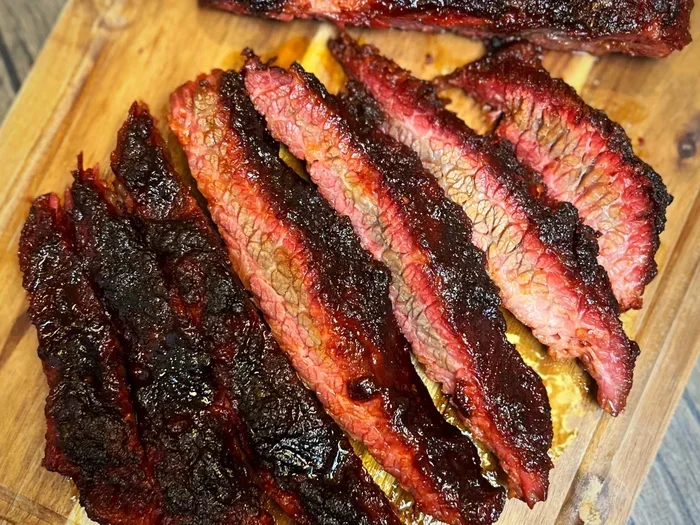
Rub a brisket with your favorite BBQ spice blend. Add a cup of apple cider vinegar and water to the roaster oven. Cook low for 10-12 hours. In the last two hours, brush on your favorite BBQ sauce. The brisket will be smoky, sweet, and incredibly tender.
Herb-Crusted Roast With Red Wine
For a more elegant meal, use a rump roast. Sear it, then add red wine, rosemary, thyme, and garlic to the roaster oven. Cook on low for 7-8 hours. Strain the cooking liquid and reduce it on the stovetop for a rich, flavorful pan sauce.
Asian-Inspired Slow Cooked Roast
Try something different. Marinate your roast in soy sauce, ginger, sesame oil, and brown sugar overnight. Cook in the roaster oven on low for 8 hours. Serve over rice with steamed bok choy. It is a flavor explosion that everyone will love.
Common Mistakes To Avoid When Slow Cooking A Roast
Even experienced cooks make mistakes. Knowing what to avoid saves time, money, and a lot of frustration.
Skipping The Sear
Yes, you can skip it. But your roast will taste much better if you do not. Searing adds depth and complexity to the final dish. It takes only a few minutes and makes a noticeable difference.
Opening The Lid Too Often
Every time you open the lid, you lose heat and moisture. Try to resist the urge to peek. Trust the process. Your roaster oven is doing the work for you. Opening the lid can add 30 minutes or more to your total cook time.
Using Too Much Liquid
You do not need to submerge the roast. About one cup of liquid is plenty. Too much liquid dilutes the flavor and can make the meat soggy instead of tender.
Choosing The Wrong Cut Of Meat
This is the most common mistake. A lean cut will dry out during the long cooking process. Always choose a cut with visible marbling or connective tissue. That is what turns into gelatin during slow cooking and makes the meat tender.
Not Letting The Roast Rest
Cutting into a roast right after cooking is tempting. But patience pays off. Give it at least 15 minutes to rest. The juices will redistribute, and every slice will be moist and flavorful.
Overcrowding The Roaster Oven
Leave some space inside the roaster. Overcrowding traps steam unevenly and can lead to parts of the roast being undercooked. A single roast fits best in a 6-quart or larger roaster oven.
Tips For Getting The Perfect Tender Roast Every Time
Here are some expert-level tips that take your slow-cooked roast from good to outstanding:
Use A Meat Thermometer
This cannot be stressed enough. A meat thermometer removes all guesswork. Digital instant-read thermometers are affordable and give you accurate readings every time. Insert it into the thickest part of the roast, away from the bone.
Cook On The Low Setting
Resist the temptation to crank up the heat to save time. Low and slow is the secret to a tender roast. Higher temperatures tighten the muscle fibers and squeeze out moisture. Low heat allows the collagen to break down gently, creating that perfect tender texture.
Add Acid For Tenderness
A splash of vinegar, wine, or tomato juice helps break down tough fibers. It also adds a subtle tang that balances rich flavors. Just one-quarter cup is enough to make a difference.
Save The Cooking Liquid
Do not throw away the liquid left in the roaster oven after cooking. It is full of flavor. Strain it and use it as a base for gravy or sauce. Your roast will taste even better with a rich, homemade gravy poured over it.
Plan Ahead And Be Patient
Slow cooking is not a fast process. Plan your meal around the cook time. Most roasts need 6-10 hours in a roaster oven on low. Start early in the day or set it up before you leave for work. The payoff is worth the wait.
Experiment With Different Spices And Marinades
Do not be afraid to get creative. Try different spice blends, marinades, and liquid bases. Each combination creates a unique flavor profile. Keep notes on what works best so you can repeat your favorites.
Frequently Asked Questions
Can I Slow Cook A Frozen Roast In A Roaster Oven?
It is not recommended to cook a frozen roast directly in a roaster oven. The outside will cook too quickly while the inside remains frozen, creating a food safety risk. Always thaw your roast in the refrigerator overnight before cooking. This ensures even cooking and safe temperatures throughout the meat.
What Temperature Should I Set My Roaster Oven To For Slow Cooking?
Set your roaster oven to 200°F to 250°F for slow cooking. This low temperature range allows the meat to cook gently and become tender over time. Avoid higher temperatures, as they can dry out the roast and prevent the connective tissues from breaking down properly.
How Long Does It Take To Slow Cook A Roast In A Roaster Oven?
Cook time depends on the size of your roast. A 3-pound roast typically takes 6 to 7 hours on low. A 5-pound roast may need 8 to 9 hours. Use a meat thermometer to check for doneness rather than relying solely on time. The internal temperature is the best indicator of whether your roast is ready.
Can I Use A Roaster Oven Instead Of A Slow Cooker?
Absolutely. A roaster oven works as an excellent substitute for a slow cooker. It offers more even heat distribution and the ability to sear meat before slow cooking. You can also cook larger cuts of meat that might not fit inside a standard slow cooker. The results are equally tender and flavorful.
Do I Need To Add Water When Slow Cooking A Roast In A Roaster Oven?
You do not need a lot of water. About one cup of liquid is sufficient for most roasts. Beef broth, wine, or even water all work well. The liquid creates steam that keeps the roast moist. Too much liquid, however, can dilute the flavor and make the meat waterlogged instead of tender.
Why Is My Slow Cooked Roast Tough?
A tough roast usually means it was not cooked long enough or at too high a temperature. The collagen in tougher cuts needs time and low heat to break down into gelatin. If your roast is tough, try cooking it longer on a lower setting. Also make sure you chose a cut with enough marbling and connective tissue for slow cooking.
Conclusion
How to slow cook a roast in a roaster oven is a skill that anyone can learn. It does not require fancy equipment or years of experience. With the right cut of meat, the right temperature, and a little patience, you can create a roast that rivals any restaurant meal.
Remember to choose a well-marbled cut like chuck or brisket. Sear it for extra flavor. Add your favorite liquids and aromatics. Set your roaster oven to low and let time do the work. Use a meat thermometer to check for doneness, and always let your roast rest before slicing.
Avoid common mistakes like skipping the sear, opening the lid too often, or using too much liquid. And do not be afraid to experiment with different recipes and flavor combinations. The beauty of slow cooking is that it is forgiving and flexible.
Your roaster oven is one of the most underused tools in the kitchen. Now that you know how to slow cook a roast in a roaster oven, it is time to put that knowledge to work. Try your first roast this weekend. Your family will thank you for it.
Happy cooking, and enjoy every delicious, tender bite of your perfectly slow-cooked roast.