How Long Does A Self Cleaning Oven Cycle Usually Take
A self cleaning oven cycle typically takes between 2 and 4 hours, depending on the cleaning mode and how dirty your oven is. The pyrolytic cleaning process uses extreme heat to burn off grease and food residue, while steam clean mode completes the job in about 20 to 30 minutes. Understanding the different cycles and factors that affect duration helps you plan your kitchen time and keep your oven running efficiently.
If you have ever stood in front of your oven wondering how long the self cleaning cycle would lock you out of your kitchen, you are not alone. Many homeowners want to know the self cleaning oven duration before they commit to starting the process. The answer depends on several factors, including the type of cleaning your oven uses, how dirty the interior is, and the specific model you own.
This guide breaks down everything you need to know about the oven cleaning cycle time. We will cover the different cleaning modes, what happens during each phase, and practical tips to get the best results. Whether you are dealing with baked-on grease or just doing routine maintenance, you will find clear answers here.
The good news is that modern ovens have made self cleaning much more efficient than older models. You no longer need to scrub for hours or use harsh chemical cleaners. A self cleaning oven handles the tough work for you, but knowing what to expect helps you plan your time wisely.
Key Takeaways
- Standard self cleaning cycles take 2 to 4 hours: The pyrolytic method uses very high heat to turn grime into ash, and this process needs time to work properly.
- Steam clean mode is much faster: Most steam clean cycles finish in 20 to 30 minutes, making them ideal for light maintenance.
- Oven dirt level affects cleaning time: Heavily soiled ovens may need a longer cycle or a second round to fully clean.
- Preparation matters: Removing large debris and wiping down the oven interior before starting can improve results and reduce cycle time.
- Ventilation is essential: The self cleaning process produces smoke and odors, so proper airflow in your kitchen is a must.
- Not all ovens use the same method: Pyrolytic, catalytic, and steam clean are three different technologies with different timing.
- Regular cleaning prevents buildup: A consistent cleaning schedule keeps your oven in top shape and shortens future cycle times.
📑 Table of Contents
- What Happens During a Self Cleaning Cycle
- How Long Does Each Self Cleaning Mode Take
- Factors That Affect Cleaning Time
- What to Expect Before, During, and After the Cycle
- Tips to Make Your Self Cleaning Cycle More Effective
- Common Mistakes People Make with Self Cleaning
- How Often Should You Use the Self Cleaning Feature
- Energy Use and Cost of Self Cleaning
- When to Call a Professional
- Final Thoughts on Self Cleaning Oven Cycle Time
What Happens During a Self Cleaning Cycle
The Pyrolytic Cleaning Process
Most self cleaning ovens use a method called pyrolysis. This means the oven heats itself to extremely high temperatures, usually between 800 and 900 degrees Fahrenheit. At these temperatures, food residue, grease, and grime literally burn away into a thin layer of ash.
The process works in three main stages:
- Heating phase: The oven ramps up to its peak temperature. This takes about 20 to 30 minutes.
- Soaking phase: The oven holds the high temperature for the bulk of the cycle. This is where the actual burning of residue happens.
- Cooling phase: The oven cools down to a safe temperature so you can wipe away the ash.
The entire pyrolytic cleaning cycle usually lasts between 2 and 4 hours. Some high-end models have shorter cycles, while older or heavily soiled ovens may need the full 4 hours. The oven door locks automatically during the entire process for safety, which is why you cannot open the door mid-cycle.
Steam Clean vs. Pyrolytic Clean
Not all self cleaning ovens rely on extreme heat. Many newer models offer a steam clean option as an alternative. This method uses water and lower temperatures to loosen grime, making it a gentler approach.
Here is a quick comparison of the two main methods:
- Pyrolytic cleaning: Uses very high heat (800 to 900 degrees). Takes 2 to 4 hours. Best for heavy buildup and baked-on residue.
- Steam cleaning: Uses water vapor and moderate heat. Takes 20 to 30 minutes. Best for light maintenance and everyday grime.
The steam clean mode does not remove all types of baked-on carbon as effectively as pyrolysis. However, it is much faster and uses less energy. Many homeowners use steam clean for regular upkeep and reserve pyrolytic cleaning for deep cleans.
How Long Does Each Self Cleaning Mode Take
Standard Self Clean Cycle Duration
The standard self cleaning oven cycle on most major brands runs for about 2 to 4 hours. Here is a general breakdown of what you can expect from popular oven manufacturers:
- Whirlpool and Kenmore: Typically 2 to 3 hours for a full pyrolytic cycle.
- Samsung and LG: Usually around 2 to 4 hours, with some models offering a shortened 1.5-hour option.
- GE and Frigidaire: Standard cycles run about 3 to 4 hours for heavily soiled ovens.
- Maytag: Generally 2 to 3.5 hours depending on the soil level selected.
These times are approximate and can vary based on the specific model and how dirty the oven is. Always check your owner’s manual for the exact cleaning cycle duration recommended for your unit.
Quick Clean and Light Duty Modes
Some modern ovens include a quick clean or light duty setting. These modes are designed for ovens that are only lightly soiled and do not need a full pyrolytic treatment.
A quick clean cycle typically runs for 30 to 60 minutes. It uses lower temperatures than a full self clean cycle and is great for removing light splatters and surface grease. If you clean your oven regularly, you may never need a full 4-hour cycle again.
Steam Clean Mode Timing
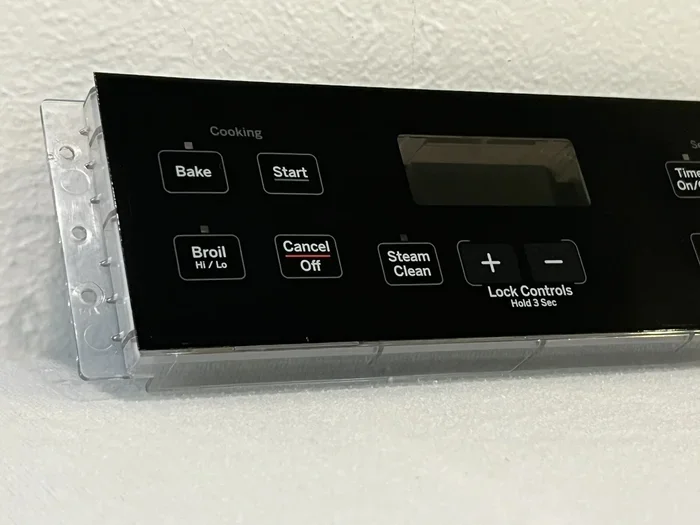
The steam clean feature is the fastest option available. Most steam clean cycles complete in 20 to 30 minutes. The process works by boiling a small amount of water inside the oven, which creates steam that softens and loosens food residue.
This mode is perfect for:
- Quick wipe-downs between deep cleans
- Removing light splatters and spills
- Maintaining oven cleanliness without long wait times
Keep in mind that steam cleaning does not replace a full pyrolytic cycle for heavy buildup. Think of it as a maintenance tool rather than a deep cleaning solution.
Factors That Affect Cleaning Time
How Dirty Your Oven Is
The single biggest factor that determines how long a self cleaning oven cycle takes is the level of dirt and grease inside. A lightly used oven with only a few minor splatters will clean much faster than an oven that has not been cleaned in months or years.
Heavy buildup requires more time at high temperatures to fully break down all the carbonized residue. If you have not cleaned your oven in a long time, expect the cycle to take closer to 4 hours. Regular maintenance keeps the oven cleaning time shorter and more manageable.
Here are some common situations and their likely impact on cycle length:
- Light soil: A few small splatters. Quick clean or steam mode works well. Cycle time: 20 to 60 minutes.
- Moderate soil: Visible grease and food residue. Standard self clean cycle. Time: 2 to 3 hours.
- Heavy soil: Thick, baked-on grime. Extended self clean cycle. Time: 3 to 4 hours or possibly two cycles.
Oven Model and Brand Differences
Not all self cleaning ovens are created equal. Different brands and models use varying technology, insulation, and heating elements that affect how long the cycle takes. Some ovens heat up faster, while others maintain temperature more efficiently.
When shopping for a new oven, look for models that offer multiple cleaning modes. This gives you flexibility to choose the right cycle for the job. Premium models often feature shortened cycles without sacrificing cleaning power, which is a big advantage if you value your time.
Oven Size and Insulation
Larger ovens with more interior space may take slightly longer to reach and maintain the high temperatures needed for pyrolytic cleaning. The insulation quality also plays a role. Well-insulated ovens retain heat better and may complete the cycle a bit faster.
Convection ovens with a self clean feature sometimes behave slightly differently than standard models because of the fan and air circulation system. Check your manual for any specific timing notes related to your oven type.
What to Expect Before, During, and After the Cycle
Preparing Your Oven
Before you start the self cleaning cycle, a little preparation goes a long way. Proper prep can improve results and sometimes even shorten the cleaning time.
Follow these steps before hitting the start button:
- Remove all oven racks, trays, and accessories. These should be cleaned separately by hand.
- Take out any large food particles or debris from the oven floor.
- Wipe up any large spills or pools of grease with a damp cloth.
- Make sure your kitchen is well ventilated. Open windows and turn on the range hood.
- Keep pets and children away from the oven area during the cycle.
Removing large debris before starting prevents excessive smoke during the pyrolytic cleaning process. Less debris means less smoke, which means a more pleasant experience overall.
The Cleaning Process Step by Step
Once the cycle starts, here is what happens and what you should expect:
- The door locks automatically. This is a safety feature. The door will not unlock until the oven cools to a safe temperature. Do not try to force it open.
- The oven heats up. You will hear the fans running and may see the interior glow bright orange. This is normal.
- Smoke and odors are produced. As the residue burns off, you will notice some smoke and a smell. This is expected, especially during the first hour or so of the cycle.
- The oven holds temperature. The bulk of the cleaning happens during this phase. The oven maintains its high heat to break down all the grease and food particles.
- The oven cools down. Once the cycle is complete, the oven begins to cool. The door unlocks only when the interior reaches a safe temperature, usually around 600 degrees or lower.
The entire process, from start to finish, can take anywhere from 30 minutes for a steam clean to over 4 hours for a heavy pyrolytic cycle. Plan your time accordingly and do not start the cycle right before you need to use the oven.
Post-Cleaning Care
After the cycle finishes, you will find a layer of white or gray ash inside the oven. This is the remains of the burned-off food residue and grease. Here is how to handle it:
- Wait until the oven is completely cool before opening the door.
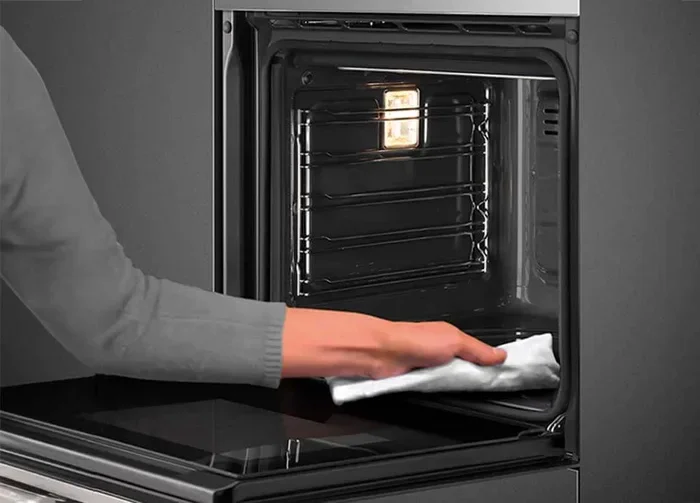
- Use a damp cloth or sponge to wipe away the ash. A mild dish soap can help if needed.
- Do not use abrasive scouring pads on the oven interior, as this can damage the protective coating.
- Replace the oven racks and any accessories you removed earlier.
Wiping away the ash promptly prevents it from becoming hard and difficult to remove later. A quick wipe after every self cleaning cycle keeps your oven looking and performing its best.
Tips to Make Your Self Cleaning Cycle More Effective
Getting the most out of your self cleaning oven is easier than you might think. A few simple habits can improve cleaning results and reduce the time needed for each cycle.
Clean up spills right away. The longer food sits on the oven floor, the harder it becomes to remove. Wipe up spills as soon as the oven cools down after cooking. This prevents carbon buildup and keeps future cleaning cycles shorter.
Use oven-safe liners. Placing a silicone or aluminum liner on the oven floor catches drips and spills before they burn onto the surface. These liners are easy to remove and clean separately.
Run the cycle when you are home. The pyrolytic cleaning process produces smoke and odors. It is best to start the cycle when you are at home and can monitor the situation. If the smoke becomes excessive, you can ventilate the area more effectively.
Do not use chemical cleaners during pyrolytic cleaning. The extreme heat is designed to handle all the cleaning. Chemical cleaners can produce toxic fumes when exposed to high temperatures. Stick to the self cleaning feature for the interior.
Schedule regular cleaning sessions. Running a self cleaning cycle every 3 to 4 months prevents heavy buildup. Light, frequent cleans are always faster and easier than tackling months of accumulated grime all at once.
Keep the oven vent clear. Proper airflow helps the smoke escape during the cleaning cycle. Make sure the area around your oven is clear and that your range hood is working properly.
Common Mistakes People Make with Self Cleaning
Even with a self cleaning oven, people sometimes make mistakes that reduce effectiveness or even damage the appliance. Avoid these common pitfalls to get the best results every time.
Starting the cycle with a very dirty oven without preparation. Removing large food chunks and wiping up excess grease before starting prevents excessive smoke and reduces the risk of the oven reaching its maximum temperature limit too quickly.
Forcing the door open during the cycle. The oven door lock is a critical safety feature. Forcing it open can damage the locking mechanism and the oven itself. Always wait for the cycle to complete and the door to unlock naturally.
Using the self clean feature too frequently. While it is tempting to run the cleaning cycle every week, doing so can wear out the oven’s heating elements and insulation over time. Stick to a reasonable schedule of every 3 to 4 months for pyrolytic cleaning.
Ignoring the odor. A slight smell during self cleaning is normal. However, if the odor is unusually strong or acrid, it could mean there is a plastic component or excessive chemical residue inside. Open windows and turn off the cycle if the smell seems dangerous.
Forgetting to remove accessories. Oven racks, thermometers, and pans should never be left inside during a pyrolytic cleaning cycle. The extreme heat can warp or discolor metal accessories. Always remove them beforehand.
How Often Should You Use the Self Cleaning Feature
Finding the right balance for your oven cleaning schedule depends on how often you cook and what types of food you prepare. If you bake frequently or cook greasy foods, you may benefit from running the self cleaning cycle more often.
For most households, a good rule of thumb is to run a full pyrolytic cleaning cycle every 3 to 4 months. In between, use the steam clean mode or a quick hand wipe to keep the interior fresh. This approach prevents heavy buildup and keeps each cleaning cycle short and efficient.
If you rarely use your oven, a single deep clean every 6 months should be sufficient. The key is consistency. A regular cleaning routine makes the entire process easier and faster each time.
Energy Use and Cost of Self Cleaning
Running a self cleaning oven cycle does use a noticeable amount of electricity or gas. The high temperatures required for pyrolytic cleaning mean the oven draws significant power for the duration of the cycle.
A typical 3-hour pyrolytic cleaning cycle can use as much energy as cooking several regular meals. However, the trade-off is that you avoid using chemical oven cleaners, which are both expensive and harmful to the environment. Many homeowners find that the convenience and cleanliness of a self cleaning oven outweigh the extra energy cost.
To minimize energy use, try running the cycle during off-peak hours if your utility company offers time-of-use pricing. Also, make sure the oven is well-maintained, as a poorly insulated oven will use even more energy to reach and hold the required temperatures.
When to Call a Professional
Most self cleaning ovens work reliably for years with proper care. However, there are times when professional help is the right call. If your oven door lock mechanism fails and the door will not unlock after the cycle, do not attempt to force it. Contact a qualified appliance technician.
Similarly, if the oven does not reach the required high temperatures during the cleaning cycle, the heating element may be faulty. A professional can diagnose and repair the issue safely. Regular maintenance checks can also help extend the life of your self cleaning oven and keep the cleaning cycle duration consistent over time.
Final Thoughts on Self Cleaning Oven Cycle Time
The self cleaning oven cycle is one of the most convenient features in modern kitchens. Whether you choose a full pyrolytic cleaning cycle that takes 2 to 4 hours or a quick steam clean mode that finishes in 30 minutes, the technology saves you time and effort.
Understanding how long each type of cycle takes and what factors influence the oven cleaning time helps you plan your kitchen routine effectively. Regular maintenance, proper preparation, and smart scheduling all contribute to better results and shorter cleaning cycles over time.
The best advice is simple: clean your oven often, prepare it properly before each cycle, and never skip the ventilation step. With these habits in place, your self cleaning oven will serve you well for years to come, keeping your kitchen fresh and your cooking experience enjoyable every single day.
Frequently Asked Questions
How long does a self cleaning oven cycle usually take?
A standard pyrolytic self cleaning cycle typically takes between 2 and 4 hours. However, if you use the steam clean mode, the cycle is much shorter, usually finishing in 20 to 30 minutes. The exact cleaning cycle duration depends on your oven model, the level of dirt, and the cleaning mode you select.
Can I stop a self cleaning oven cycle early?
Most ovens will not let you stop the cycle early because the oven door locks automatically during the pyrolytic cleaning process. The door only unlocks once the interior cools to a safe temperature. If you need to stop the cycle for any reason, consult your owner’s manual for specific instructions or contact a professional technician.
Is it safe to be in the house during a self cleaning cycle?
Yes, it is generally safe to stay in the house while your self cleaning oven runs. The process produces smoke and odors as it burns off food residue, so proper ventilation is important. Open windows and turn on your range hood to keep the air circulating. If you have respiratory sensitivities, you may want to stay in another room during the cycle.
What is the difference between pyrolytic and steam clean?
Pyrolytic cleaning uses extremely high heat, around 800 to 900 degrees Fahrenheit, to burn grease and food residue into ash. It takes 2 to 4 hours. Steam cleaning uses water vapor and lower heat to loosen grime and takes only 20 to 30 minutes. Steam clean works best for light maintenance, while pyrolysis handles heavy buildup more effectively.
How often should I run a self cleaning cycle?
For most households, running a self cleaning cycle every 3 to 4 months is sufficient. If you cook frequently or prepare greasy foods, you may benefit from cleaning every 2 months. Using the steam clean mode between deep cleans helps maintain oven cleanliness and reduces the time needed for full pyrolytic cleaning cycles.
Why does my self cleaning oven smell bad during the cycle?
The smell during a self cleaning cycle comes from the burning of food residue and grease at high temperatures. This is completely normal and expected during pyrolytic cleaning. The odor usually peaks during the first hour and then gradually fades. Proper ventilation with an open window or running range hood helps manage the smell effectively.
=== CONCLUSION ===
The self cleaning oven cycle is a time-saving feature that makes kitchen maintenance much easier. A full pyrolytic cleaning cycle usually takes 2 to 4 hours, while a steam clean mode wraps up in about 20 to 30 minutes. The actual oven cleaning time varies based on how dirty your oven is, the specific model you own, and the cleaning method you choose.
By preparing your oven properly, running cycles on a regular schedule, and following the tips in this guide, you can keep your self cleaning oven working at its best. The effort you put into understanding the cleaning cycle duration pays off in a cleaner, more efficient kitchen every single day.
Start using these recommendations today, and you will notice the difference in both your oven’s performance and the ease of keeping it spotless. A well-maintained self cleaning oven is one of the best investments you can make for your home and your daily cooking routine.