How Long To Heat Up French Bread In A Preheated Oven
Knowing how long to heat up French bread in a preheated oven is the key to bringing back that fresh-baked magic. A preheated oven ensures even heat distribution, giving you a crispy golden crust and a soft, warm interior every single time. Whether you are reheating a day-old French baguette or a whole boule, the right oven temperature and timing make all the difference.
This is a comprehensive guide about How Long To Heat Up French Bread In Oven.
Key Takeaways
- Reheat at 350°F to 375°F: This range is the sweet spot for warming French bread without drying it out or burning the crust.
- 5 to 10 minutes is the sweet spot: Most French bread pieces need only 5 to 10 minutes in a preheated oven to revive perfectly.
- Wrap in foil or spritz with water: These simple tricks help retain moisture and keep the interior soft while the crust crisps up.
- Avoid the microwave: The microwave makes French bread soggy and ruins the crust. An oven always delivers better results.
- Use a baking sheet: Placing bread on a baking sheet promotes even heating and prevents direct contact with hot pan surfaces.
- Let it rest after reheating: Giving the bread a few minutes to cool slightly helps the interior set and improves texture.
- Freshness matters: Day-old bread reheats better than very stale bread. The closer to fresh, the shorter the reheating time needed.
[FEATURED_IMAGE_PLACEHOLDER]
There is something magical about the aroma of warm, freshly baked French bread filling a kitchen. The crispy golden crust crackling under your fingers and the soft, pillowy interior melting on your tongue, it is a sensory experience few foods can match. But here is the reality, leftover French bread can lose its charm fast. By the next day, that perfect crusty bread turns hard, dry, and forgettable. The good news is that a preheated oven can bring it back to life.
Whether you baked a batch of homemade French bread or picked up a beautiful baguette from your local bakery, knowing how long to heat up French bread in a preheated oven is a skill that changes everything. It is not just about throwing bread in the oven and hoping for the best. There is a right way to do it, and once you learn it, you will never waste a loaf again. This guide walks you through every detail, from the ideal oven temperature to the exact reheating time, so your bread tastes as good as the day you baked it.
We are going to cover everything you need to know. You will learn the best oven settings for different types of French bread, common mistakes that ruin your bread, and simple tricks that make the crust crackle and the inside stay soft. By the end of this article, you will be confident in reheating any French loaf like a pro. Let us dive in and bring that bread back to life.
Why Reheating French Bread Properly Matters
You might think warming up leftover bread is simple. Just toss it in the oven, right? Well, not exactly. How you reheat French bread directly affects its texture, flavor, and overall quality. A wrong approach can turn a perfectly good loaf into a tough, dry, or soggy disappointment.
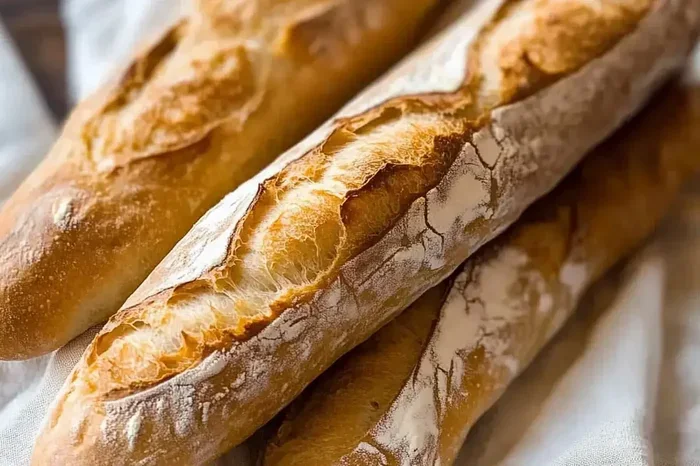
French bread is unique. It has a thin, delicate crusty exterior and a moist, airy interior crumb. When bread cools, the starch molecules crystallize, making it hard. Reheating gently melts those crystals and restores moisture. But too much heat or too long in the oven dries out the interior quickly. That is why timing and temperature matter so much.
Properly reheated French bread also tastes better. The Maillard reaction, which is the chemical process that creates browning and flavor, reactivates when you warm bread in an oven. This brings back those complex, slightly sweet, and nutty flavors that make French bread so irresistible. A microwave simply cannot do this. It heats unevenly and turns the crust rubbery. An oven, especially a preheated oven, delivers consistent, gentle warmth that revives the bread from the inside out.
The Science Behind Reheating Bread
When bread bakes, the heat causes the starches to gelatinize and the proteins to set. As the bread cools, the starch retrogrades, which means it hardens. Reheating at a moderate temperature reverses this process. The oven heat gently breaks down the hardened starch and redistributes moisture. This is why a preheated oven is essential, it gives you immediate, even heat that works efficiently.
If you use too high a temperature, the outside burns before the inside warms up. If you use too low a temperature, the bread dries out before it has a chance to soften. The golden window is between 350 and 375 degrees Fahrenheit. This range warms the bread thoroughly without sacrificing moisture or burning the crust.
How Long To Heat Up French Bread In A Preheated Oven
The answer to how long to heat up French bread in a preheated oven depends on a few factors. The size of the bread, whether it is whole or sliced, and how stale it is all play a role. But here are the general guidelines that work for most French bread.
Whole French Baguette Reheating Time
For a full, uncut French baguette, preheat your oven to 350 degrees Fahrenheit. Wrap the loaf loosely in aluminum foil. This traps steam inside and keeps the crust from becoming too hard. Place the wrapped baguette on a baking sheet and heat it for 10 to 12 minutes. The foil allows the interior to warm through gently while protecting the exterior from over-browning.
If you prefer a crispier crust, unwrap the baguette for the last 2 to 3 minutes of heating. This lets the outside get that satisfying crunch without drying out the inside. Check the bread at the 8-minute mark to see how it is progressing. Every oven runs a little differently, so keep an eye on it.
Sliced French Bread Reheating Time
Sliced French bread heats up much faster. Set your preheated oven to 350 degrees Fahrenheit and place the slices on a baking sheet in a single layer. Heat for 3 to 5 minutes. Slices warm quickly because they are thin, so do not walk away from the oven. Check them at the 3-minute mark.
For toasted-style slices, you can skip the foil and let them sit directly on the baking sheet. This gives you a crisper result similar to artisan toasted bread. If you like your bread lightly warmed and soft, 3 minutes is plenty. If you want more crunch, push it to 5 minutes.
French Bread Rolls And Small Loaves
Small French bread rolls or individual bâtards take even less time. Preheat to 350 degrees Fahrenheit and place the rolls on a baking sheet with some space between them. Heat for 4 to 6 minutes. These smaller pieces warm through quickly and can go from perfect to burnt fast, so set a timer.
If you are reheating a whole small loaf like a ficelle or a short pain de campagne, treat it like a baguette. Wrap it in foil and heat for 7 to 9 minutes. Unwrap for the last 2 minutes if you want extra crispiness.
The Best Oven Temperature For French Bread
Temperature is just as important as time when it comes to reheating French bread. Too hot and you burn the crust. Too cool and the bread dries out before it warms through. The ideal oven temperature for most French bread is 350 degrees Fahrenheit.
Here is a quick breakdown of temperatures and what they do:
- 325 degrees Fahrenheit: Gentle, low heat. Best for very stale or dry bread. It takes a bit longer, about 12 to 15 minutes, but it warms the bread without further drying it out.
- 350 degrees Fahrenheit: The most versatile temperature. Works for almost all types of French bread, from baguettes to boules. It delivers a warm interior and a lightly crispy crust.
- 375 degrees Fahrenheit: Slightly higher heat for a crunchier result. Great if you want a more pronounced crust on your reheated bread. Reduce time slightly to avoid burning.
- 400 degrees Fahrenheit and above: Not recommended for reheating. This range is for baking fresh bread, not warming leftovers. It will burn the outside before the inside is warm.
Always use an oven thermometer if you are unsure about your oven’s accuracy. Many home ovens run hotter or cooler than what the dial says. An inaccurate oven temperature can lead to underheated or burnt bread. A simple oven thermometer takes the guesswork out and ensures consistent results every time.
Should You Use Convection Or Conventional Heat?
Convection ovens circulate hot air, which can brown bread faster and more evenly. If you use a convection setting, reduce the temperature by 25 degrees Fahrenheit and check the bread a few minutes earlier. Conventional heating works perfectly fine too, especially if you rotate the baking sheet halfway through. Both methods produce excellent results for warming French bread.
Step-By-Step Guide To Reheating French Bread
Follow these simple steps to get perfect results every time you reheat French bread in a preheated oven.
Step 1: Preheat Your Oven
Start by preheating your oven to 350 degrees Fahrenheit. This is the most important step. Putting bread in a cold oven leads to uneven heating and a soggy result. Give your oven at least 10 to 15 minutes to reach the target temperature before the bread goes in.
Step 2: Prepare The Bread
Take your leftover French bread out of the refrigerator or freezer. If the bread is frozen, let it thaw at room temperature for about 15 minutes first. For a whole baguette, wrap it loosely in aluminum foil. For slices or rolls, place them on a baking sheet lined with parchment paper. The parchment prevents sticking and promotes even browning.
Step 3: Add Moisture (Optional But Recommended)
Here is a pro tip that makes a huge difference. Spritz the outside of the bread lightly with water using a spray bottle. You can also place a small oven-safe dish of water on the bottom rack of the oven. This adds steam to the environment, which helps keep the crust from becoming too hard. The steam mimics the conditions of a professional bread oven and keeps the interior moist.
Step 4: Heat And Monitor
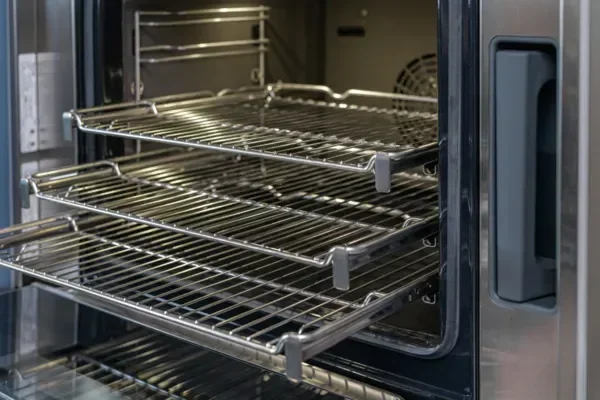
Place the bread in the center of the oven on the middle oven rack. Set a timer for the recommended time based on the size and type of bread. Check the bread a couple of minutes before the timer goes off. Look for a golden brown color on the crust and feel the bottom for warmth.
Step 5: Rest And Serve
Once the bread is warm, take it out of the oven and let it rest for 3 to 5 minutes. This allows the heat to distribute evenly through the loaf. The interior sets slightly, making it easier to slice or tear. Serve immediately for the best bread texture and flavor.
Step 6: Store Properly For Next Time
If you have leftovers after reheating, store them properly. Wrap the bread in a clean kitchen towel or place it in a paper bag. Avoid plastic bags, which trap moisture and make the crust soggy. For longer storage, freeze the bread and reheat from frozen using the same method described above.
Common Mistakes When Reheating French Bread
Even with the best intentions, it is easy to make mistakes when reheating French bread. Here are the most common errors and how to avoid them.
Using The Microwave
The microwave is the number one enemy of leftover French bread. It heats unevenly, creates hot spots, and turns the crust into a rubbery, chewy mess. The microwave removes moisture from the bread, leaving it tough and unappetizing. Always use an oven for the best results. If you are truly in a rush, a quick 30 seconds in the microwave followed by 2 minutes in the oven can work, but the oven alone is always better.
Skipping The Preheating Step
Putting bread in a cold or barely warm oven wastes time and produces uneven results. A preheated oven delivers immediate heat that starts the revival process right away. Always wait for the oven to reach the target temperature before placing the bread inside.
Overheating The Bread
Leaving bread in the oven too long is a common mistake that ruins perfectly good bread. Overheated bread becomes dry, hard, and burnt on the outside while potentially still cold in the center. Set a timer and check the bread frequently. It is easy to add more time, but you cannot undo burnt bread.
Skipping The Foil Wrap
For whole baguettes and loaves, skipping the foil can cause the crust to become rock-hard. The foil traps moisture and creates a gentle micro-environment inside. Think of it as a mini steam chamber that keeps the bread soft while it warms. Remove the foil only for the last few minutes if you want extra crunch.
Not Using A Baking Sheet
Placing bread directly on the oven rack or on a dirty pan can lead to uneven heating and burnt spots. A clean baking sheet with parchment paper provides a flat, even surface that promotes consistent heating. It also makes cleanup much easier.
Tips To Keep Reheated French Bread Fresh And Crispy
Getting the bread warm is only half the battle. Keeping it fresh and crispy after reheating is the other half. Here are some expert tips that make a real difference.
- Reheat only what you will eat: Reheating the same bread twice degrades the quality. Only warm up the portion you plan to enjoy right away.
- Use fresh leftovers: Bread that is one day old reheats beautifully. Bread that is three or four days old may not fully recover its original texture no matter how well you reheat it.
- Store bread properly before reheating: Keep leftover French bread at room temperature in a paper bag or wrapped in a kitchen towel. Avoid refrigeration, which speeds up staling.
- Add a light coating of olive oil: Before reheating, brush the crust with a thin layer of olive oil. This adds flavor and helps the crust become extra crispy.
- Serve with butter or dip: Warm French bread with butter, olive oil, or a simple dip elevates the experience. The warmth helps the butter melt perfectly into the soft interior.
- Freeze for longer storage: If you know you will not eat the bread within a day or two, freeze it. Wrap it tightly in plastic wrap and then foil. Reheat directly from frozen, adding 2 to 3 extra minutes to the reheating time.
The Best Ways To Serve Reheated French Bread
Reheated French bread is incredibly versatile. Here are some delicious ways to enjoy it:
- With butter or jam: A classic pairing that never disappoints. The warm, crispy crust and soft interior pair perfectly with salted butter or fruit preserves.
- For dipping in soups or stews: Warm French bread makes the perfect vessel for dipping into French onion soup, clam chowder, or any hearty stew.
- As bruschetta: Top reheated slices with diced tomatoes, garlic, basil, and a drizzle of olive oil for a quick and delicious appetizer.
- With cheese and charcuterie: Warm bread alongside a board of cheeses, cured meats, and olives creates an effortless entertaining spread.
- For sandwiches: Use slightly warmed French bread for sandwiches. The warmth softens the bread just enough to make it pliable and delicious.
Expert Insights On Reheating Artisan Bread
Professional bakers know that bread revival is an art. According to experienced artisan bread makers, the secret lies in balancing moisture and heat. A preheated oven with a tray of water on the bottom rack creates steam that keeps the crust flexible during reheating. This technique is borrowed directly from professional bread baking methods.
Many bakers also recommend reheating bread at the same temperature it was originally baked at. Traditional French bread is baked at high temperatures, around 450 to 500 degrees Fahrenheit. But for reheating, you want a much gentler approach. The high baking temperature created the crust in the first place, and gentle reheating preserves that work without undoing it.
If you are working with homemade French bread that you baked yourself, the results will be even better. Freshly baked bread has more residual moisture, which means it reheats faster and retains more of its original texture. Store-bought bread from a bakery can also reheat beautifully, as long as it was not days old. The closer the bread is to its baking date, the better the reheating results.
How Long To Heat Up French Bread In A Preheated Oven: Quick Reference Table
Here is a quick reference guide for different types of French bread and their ideal reheating times.
- Whole French baguette (foil wrapped): 10 to 12 minutes at 350 degrees Fahrenheit
- Whole French baguette (unwrapped, crispy crust): 8 to 10 minutes at 375 degrees Fahrenheit
- Sliced French bread: 3 to 5 minutes at 350 degrees Fahrenheit
- French bread rolls: 4 to 6 minutes at 350 degrees Fahrenheit
- Small French loaf (foil wrapped): 7 to 9 minutes at 350 degrees Fahrenheit
- Frozen French bread: 12 to 15 minutes at 350 degrees Fahrenheit (thaw first for best results)
These times are guidelines. Always check your bread a few minutes early and adjust based on your oven and the bread’s condition. A golden brown crust and a warm center are your best indicators of perfectly reheated bread.
Conclusion
Knowing how long to heat up French bread in a preheated oven is one of those simple kitchen skills that makes a huge difference in your daily meals. Whether you are reviving a day-old French baguette, warming up slices for breakfast, or bringing a whole boule back to life for dinner, the right oven temperature and timing transform stale bread into something delicious all over again.
Remember the key points. Preheat your oven to 350 to 375 degrees Fahrenheit, wrap whole loaves in foil, use a baking sheet for even heating, and keep a close eye on the clock. Avoid the microwave, do not skip the preheating step, and always store leftover bread properly so it reheats well the next time. With these tips, your French bread will taste fresh, warm, and wonderful every single time.
Now that you have all the knowledge you need, go ahead and reheat that leftover loaf with confidence. Your crusty bread deserves a second chance, and your taste buds will thank you. Happy reheating, and enjoy every warm, crispy, golden bite.
Frequently Asked Questions
Can I reheat French bread without foil?
Yes, you can reheat French bread without foil, especially if you want a crispier crust. Simply place the bread on a baking sheet in a preheated oven at 350 degrees Fahrenheit for 5 to 8 minutes. Just keep an eye on it to prevent the crust from becoming too hard or burning.
Is it better to reheat French bread at 350 or 375 degrees?
350 degrees Fahrenheit is the safest and most versatile temperature for reheating French bread. It warms the bread evenly without drying it out. Use 375 degrees if you prefer a crispier crust and reduce the time slightly. Both temperatures work well depending on your preference.
How do I know when French bread is fully reheated?
Check for a golden brown crust and feel the bottom of the bread. If it feels warm to the touch, the interior is likely heated through. You can also tear a piece open to check that the inside is soft and warm, not cold or hard.
Can I reheat French bread more than once?
It is best to reheat French bread only once. Reheating it multiple times dries it out further and degrades the bread texture and flavor. Only warm up the portion you plan to eat immediately for the best results.
What is the best way to store French bread before reheating?
Store leftover French bread at room temperature in a paper bag or wrapped in a clean kitchen towel. Avoid plastic bags, which trap moisture and make the crust soggy. For longer storage, freeze the bread and reheat directly from frozen, adding a few extra minutes to the reheating time.
Why does my reheated French bread taste different from fresh?
Reheated bread will never taste exactly like fresh bread because the starch structure changes slightly after cooling. However, using a preheated oven, adding a little moisture, and not overheating the bread can get you very close to the fresh-baked experience. The aroma and texture will be significantly improved.