How Long To Finish Filet Mignon In Oven For Best Results
Learn exactly how long to finish filet mignon in oven for a perfect, juicy steak. This guide covers oven temperature, searing, and resting times for restaurant-quality results. You’ll discover the best methods, common mistakes, and pro tips to cook filet mignon like a steakhouse chef.
Cooking filet mignon at home can feel intimidating. You want a steak that’s juicy and tender, with a perfect crust. The secret? Finishing it in the oven. This method gives you control and consistency. How long to finish filet mignon in oven depends on a few simple factors. You’ll learn the exact times, temperatures, and steps to get restaurant-quality results every time. This guide breaks down the process so you can cook with confidence.
Many home cooks overcook their filet mignon. The edges turn gray while the center is still cold. Oven-finishing solves this problem. It gently cooks the steak from edge to edge. You get a beautiful sear on the outside and a perfect pink center inside. Whether you prefer rare, medium-rare, or medium, the oven method works. It’s simple, reliable, and hard to mess up.
In this article, you’ll discover the best oven temperatures, timing charts, and pro tips. I’ll walk you through each step in detail. You’ll also learn common mistakes to avoid. By the end, you’ll know exactly how long to finish filet mignon in oven for your preferred doneness. Let’s get started.
Key Takeaways
- Perfect Oven Temperature: Finish filet mignon at 400°F for a balanced sear and juicy interior.
- Sear First, Then Oven: Always sear on the stovetop before transferring to the oven for even cooking.
- Internal Temperature Matters: Pull the steak at 120°F for medium-rare; it will rise 5°F while resting.
- Resting Time is Crucial: Let the steak rest 5-10 minutes to lock in juices.
- Reverse Sear Method: For thicker cuts, start in a low oven and finish with a hot sear.
- Avoid Overcooking: Use a meat thermometer and never rely solely on time.
- Cast Iron is Best: A cast iron skillet ensures an even, beautiful crust.
📑 Table of Contents
- Why Oven-Finishing Filet Mignon Works
- How Long To Finish Filet Mignon In Oven: Time and Temperature Guide
- Step-by-Step: How To Finish Filet Mignon In Oven
- Common Mistakes That Ruin Your Filet Mignon
- Pro Tips for Restaurant-Quality Filet Mignon
- Comparison Table: Oven Finish vs. Other Methods
- Conclusion
Why Oven-Finishing Filet Mignon Works
Filet mignon is a lean cut from the beef tenderloin. It has very little intramuscular fat. That makes it prone to drying out if you cook it too fast or too long. The oven-finishing method solves this. You sear the outside first to build flavor. Then you let the gentle, indirect heat of the oven finish the job. This creates an even doneness from edge to edge. You avoid the dreaded gray band that stovetop-only cooking often causes.
The oven acts like a convection oven for your steak. The hot air surrounds the meat evenly. It raises the internal temperature slowly and predictably. This is especially important for thicker cuts. A 2-inch filet mignon can go from raw to perfectly medium-rare in about 15 minutes total. The sear gives you that Maillard reaction crust. The oven gives you the perfect pink center. Together, they create a steakhouse experience in your kitchen.
The Reverse Sear Method vs. Oven Finish
People often confuse oven-finishing with the reverse sear. The reverse sear starts in a low oven (around 250°F) and finishes with a hot sear. Oven-finishing is different. You sear first on the stovetop. Then you transfer the hot skillet directly into a preheated oven at 400°F or 350°F. This method is faster. It works best for steaks that are 1 to 2 inches thick. It gives you a crispier crust than the full reverse sear. Both methods produce excellent results. Choose the one that fits your time and thickness.
When to Use the Oven Finish
This method shines with thick filet mignon steaks. If your cut is at least 1.5 inches thick, oven-finishing is ideal. Thinner steaks (under 1 inch) can overcook quickly in the oven. For those, a stovetop-only approach might work better. The oven finish also works beautifully for beef tenderloin roasts you want to slice. It gives you precise control over the final internal temperature. You can target a specific doneness every single time.
Quick Tip: Always bring your steak to room temperature before searing. Take it out of the fridge 30-45 minutes early. This helps it cook evenly in the oven.
How Long To Finish Filet Mignon In Oven: Time and Temperature Guide
The answer to how long to finish filet mignon in oven depends on two things: your oven temperature and the steak thickness. There is no single magic number. But with a simple chart, you can nail it every time. The most common oven temperature is 400°F. This gives a good balance of crust and even cooking. If you prefer a gentler approach, 350°F works well too. I’ll break down both options below.
The 400°F Method for Quick Finishing
Preheat your oven to 400°F. Sear your filet mignon in a cast iron skillet until a deep brown crust forms. Then transfer the hot skillet directly into the oven. Here is a timing guide based on thickness:
- 1-inch thick steak: 5-7 minutes in the oven
- 1.5-inch thick steak: 7-9 minutes in the oven
- 2-inch thick steak: 10-12 minutes in the oven
These times assume you started with a hot skillet and a room-temperature steak. Always use a meat thermometer to check the internal temperature. The steak will continue to rise a few degrees after you pull it out. For medium-rare, aim for 120°F in the oven. For medium, pull at 130°F. The carryover heat will bring it to the perfect final temperature.
The 350°F Method for Even Cooking
If you are worried about overcooking, use 350°F. This lower temperature gives you more forgiveness. It is especially helpful for beginners. The times are slightly longer:
- 1-inch thick steak: 8-10 minutes in the oven
- 1.5-inch thick steak: 10-12 minutes in the oven
- 2-inch thick steak: 12-15 minutes in the oven
The 350°F method produces a slightly softer crust. But the interior cooks very evenly. This is a great choice if you want a pure, juicy steak with less risk. I often use this method for filet mignon that is 2 inches or thicker. It gives me peace of mind and perfect results.
Quick Tip: If you are new to oven-finishing, start with 400°F and a 1.5-inch steak. It is the sweet spot for learning. You will get a great crust and a perfect pink center.
Step-by-Step: How To Finish Filet Mignon In Oven
Now let’s put it all together. Follow these steps for a flawless filet mignon every time. The process is simple and hard to mess up once you know the sequence.
- Pat the steak dry. Use paper towels to remove surface moisture. Dry meat sears better. Moisture creates steam, which prevents a good crust.
- Season generously. Use kosher salt and freshly ground black pepper. Season all sides. You can also add garlic powder or a touch of smoked paprika.
- Heat the pan. Place a cast iron skillet over high heat. Let it get ripping hot. Add a high-smoke-point oil like avocado or grapeseed oil.
- Sear the steak. Place the filet mignon in the pan. Do not move it for 1-2 minutes. You want a deep brown crust. Flip and sear the other side. Use tongs to sear the edges if the steak is thick.
- Add aromatics (optional). In the last 30 seconds of searing, add a knob of butter, smashed garlic cloves, and fresh thyme. Spoon the melted butter over the steak for extra richness.
- Transfer to the oven. Place the entire hot skillet into the preheated oven. Do not use a plate or a cold pan. The skillet continues to cook the bottom of the steak.
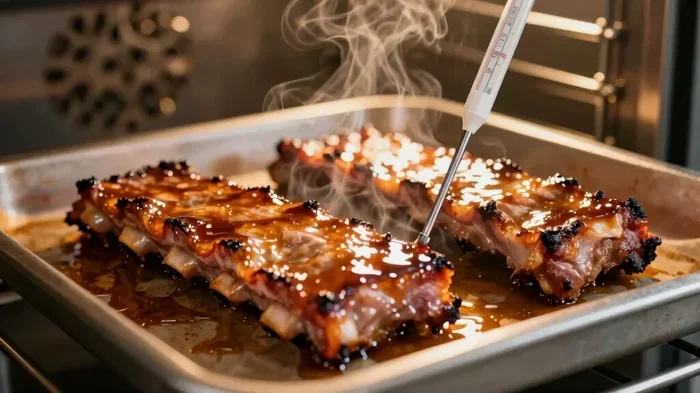
- Check the temperature. Use an instant-read meat thermometer. Insert it horizontally into the thickest part. Pull the steak when it is 5°F below your target doneness.
- Rest the steak. Transfer the skillet to a warm plate or a cutting board. Let it rest for 5-10 minutes. This is the most important step. The juices redistribute and the steak becomes tender.
The Perfect Sear
The sear is where the magic happens. A proper sear creates hundreds of flavor compounds. It gives the steak its deep brown color and appetizing aroma. To get the perfect sear, make sure your pan is truly hot before the steak touches it. You should hear a loud sizzle immediately. If the pan is not hot enough, the steak will steam instead of sear. Use a thin layer of oil. Too much oil will cause splattering and uneven browning. Do not overcrowd the pan. One steak per skillet is ideal. If you are cooking multiple steaks, use two pans or work in batches.
Expert Insight: Chef Thomas Keller always says, “The pan must be screaming hot.” A hot pan is the secret to a restaurant-quality crust at home.
Oven Finishing and Temperature Checks
Once the steak is in the oven, resist the urge to open the door constantly. Every time you open the door, the oven temperature drops. This can lead to uneven cooking. Set a timer for the midpoint of the recommended time. Then check the internal temperature. The steak will continue to cook after you pull it out. This is called carryover cooking. For medium-rare, pull at 120°F. The temperature will rise to 130°F during resting. For medium, pull at 130°F. It will rise to 140°F.
Quick Tip: Keep a small bowl of ice water nearby. If the steak accidentally overshoots, you can rest it on a cool surface to stop the cooking. But prevention with a thermometer is always better.
Key Takeaways
- Always sear first for maximum flavor.
- Use a cast iron skillet for the best heat retention.
- Check the internal temperature, not the clock.
- Rest the steak for at least 5 minutes before cutting.
Common Mistakes That Ruin Your Filet Mignon
Even with a great recipe, small mistakes can ruin your filet mignon. Here are the most common errors and how to avoid them.
The Biggest Time Mistake
Relying solely on time is the worst mistake you can make. Ovens vary wildly in temperature. Some run hot, some run cold. The size and material of your skillet also affect cooking speed. A thin aluminum pan heats differently than a heavy cast iron skillet. Always use a meat thermometer. It is the only way to know the true internal temperature of the steak. Time is just a rough guide. Temperature is the truth.
Skipping the Sear
Some people try to skip the stovetop sear and put the raw steak directly in the oven. This results in a pale, boiled-looking steak. You lose the complex flavors of the Maillard reaction. The crust is a major part of the eating experience. Always sear your filet mignon first. It takes only 2-3 minutes per side. The difference in final result is enormous.
Using the Wrong Pan
Do not use a thin stainless steel pan or a nonstick pan for searing. Thin pans lose heat when the cold steak hits them. You get steaming instead of searing. Nonstick pans cannot handle the high heat needed for a good crust. A cast iron skillet or a heavy stainless steel skillet is essential. These pans hold heat and release it evenly. They create that perfect, restaurant-style sear.
Not Resting the Steak
Cutting into the steak immediately after it comes out of the oven is a big mistake. The juices are concentrated in the center. When you cut, they all run out onto the plate. The steak ends up dry and less flavorful. Let it rest for at least 5 minutes. For a thick steak, 10 minutes is even better. Tent it loosely with foil if you want to keep it warm. The resting time allows the juices to redistribute throughout the meat. Every bite will be moist and tender.
Quick Tip: If you are short on time, rest the steak on a warm plate. A cold plate steals heat and can affect the final texture.
Pro Tips for Restaurant-Quality Filet Mignon
Once you master the basics, you can elevate your filet mignon to steakhouse level. These pro tips make a huge difference.
Butter Basting for Extra Richness
During the last 30 seconds of searing, add a generous knob of unsalted butter to the skillet. Tilt the pan slightly. Use a spoon to scoop up the melted butter and baste it over the steak. The butter browns and becomes nutty and aromatic. Add a crushed garlic clove and a sprig of fresh thyme or rosemary. This technique infuses the steak with incredible flavor. It is a simple trick that separates good steak from great steak.
Herb-Infused Finishing Oil
After the steak rests, drizzle a small amount of herb-infused oil over the top. You can make this ahead of time. Combine olive oil with minced rosemary, garlic, and a pinch of flaky sea salt. Let it sit for 30 minutes, then strain. The aromatic oil adds a beautiful finish and a pop of color.
The Warm Plate Trick
Before you start cooking, place your serving plate in a low oven (200°F) for 5 minutes. A warm plate keeps the steak at the perfect temperature while it rests. It prevents the steak from cooling too quickly. This small detail makes a big difference in the eating experience. It is what they do in steakhouses, and it works just as well at home.
Expert Insight: Many steakhouse chefs let their filet mignon rest on a wire rack instead of a plate. This allows air to circulate underneath. The bottom stays just as warm as the top, and no steam builds up to soften the crust.
Comparison Table: Oven Finish vs. Other Methods
| Method | Best For | Total Time | Result |
|---|---|---|---|
| Oven Finish (Sear then Oven) | 1-2 inch filet mignon steaks | 15-20 minutes | Crisp crust, even doneness, juicy interior |
| Stovetop-Only | Thin steaks (under 1 inch) | 10-15 minutes | Risk of gray band, less even cooking |
| Reverse Sear | Very thick steaks (2+ inches) | 45-60 minutes | Edge-to-edge perfect pink, softer crust |
The oven finish method offers the best balance of crust and even cooking for most home cooks. It is faster than the reverse sear and more forgiving than stovetop-only cooking. For a classic filet mignon, this is the method to master.
Conclusion
Now you know exactly how long to finish filet mignon in oven. The secret is simple: a hot sear, the right oven temperature, and a reliable meat thermometer. For most steaks, 400°F for 7-12 minutes works perfectly. For thicker cuts or a gentler approach, 350°F gives you more control. Always let your steak rest for at least 5 minutes. This allows the juices to settle and the steak to reach its final perfect temperature. Use a cast iron skillet for the best crust. Bring your steak to room temperature before cooking. And never, ever skip the sear.
With these steps, you will cook filet mignon that rivals any steakhouse. The oven-finishing method takes the guesswork out of cooking steak. You get consistent, juicy, and flavorful results every time. Try this method tonight. Invite your friends over. Impress them with a perfectly cooked filet mignon. Once you master how long to finish filet mignon in oven, you will never go back to overcooked steak again. Happy cooking!
Frequently Asked Questions
How long to finish filet mignon in oven at 400 degrees?
At 400°F, a 1.5-inch filet mignon typically needs 7-9 minutes after searing. Always check the internal temperature with a meat thermometer. Pull the steak at 120°F for medium-rare; it will rise 5°F while resting.
What internal temperature should filet mignon reach?
For medium-rare, aim for 130°F after resting. Pull the steak from the oven at 120°F to account for carryover cooking. For medium, pull at 130°F to reach 140°F after resting. A meat thermometer is the only reliable way to know the doneness.
Can I finish filet mignon in the oven without searing?
You can, but the result will be different. Searing adds the Maillard reaction flavors and a beautiful brown crust. Without it, the steak will have a pale appearance and less depth of flavor. For the best filet mignon, always sear first.
How long should I rest filet mignon after cooking?
Rest your filet mignon for at least 5 minutes. For thicker cuts (2 inches or more), rest it for 8-10 minutes. This allows the juices to redistribute throughout the meat. Cutting too early will cause the steak to lose its moisture.
Is filet mignon the same as beef tenderloin?
Yes, filet mignon comes from the beef tenderloin. The tenderloin is the whole muscle. Filet mignon refers to the small, tender tail end of that muscle. Both are lean, buttery, and incredibly tender when cooked properly.
What is the best pan for oven-finishing steak?
A cast iron skillet is the best pan for oven-finishing steak. It retains heat incredibly well and gives you an even, beautiful crust. A heavy stainless steel skillet also works well. Avoid thin pans or nonstick pans, which cannot handle the high heat needed for searing.